Key Takeaways
- Stewardship ensures the "right drug, right dose, and right duration" to treat infections effectively.
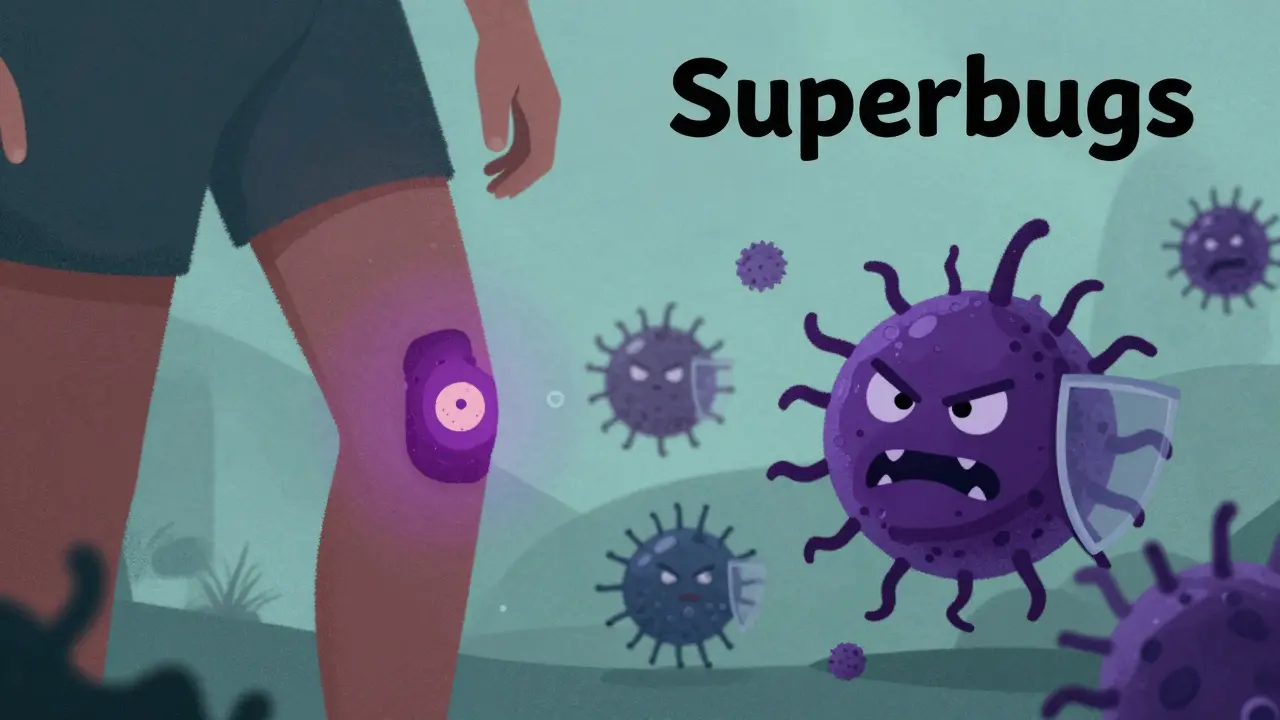
- Overuse of antibiotics is the primary driver of drug-resistant "superbugs."
- Unnecessary antibiotic use destroys beneficial gut bacteria, increasing the risk of severe infections like C. difficile.
- Programs like "handshake stewardship" use in-person collaboration to reduce inappropriate prescribing.
- Global efforts are underway to save billions of dollars and thousands of lives by optimizing drug use.
The Real Cost of Antibiotic Overuse
We've all been there: visiting a doctor for a nasty cold and hoping for a "quick fix" prescription. However, most colds and flus are viral, meaning Antibiotics-which only kill bacteria-won't do a thing for a virus. When these drugs are used inappropriately, we enter a dangerous cycle. According to the CDC, antimicrobial resistance is one of the top public health threats, contributing to over 35,000 deaths annually in the US alone.
The problem isn't just a medical curiosity; it's a systemic failure. In outpatient settings, inappropriate antibiotic prescribing happens in about 46% of cases for acute respiratory infections. This means nearly half the time, patients are taking powerful medication they don't actually need. This creates a breeding ground for resistance, where the remaining bacteria evolve and share their "survival secrets," making future infections much harder to treat.
Why Your Gut Health Is at Risk
Antibiotics are often described as "sledgehammers." They are great for knocking out a specific infection, but they don't always distinguish between the "bad" bacteria causing your illness and the "good" bacteria that keep your digestive system running. This collateral damage can wreak havoc on your microbiome.
When the beneficial bacteria in your gut are wiped out, a vacuum is created. This allows opportunistic pathogens to take over. One of the most dangerous is Clostridioides difficile (often called C. diff), a bacterium that causes life-threatening diarrhea and colitis. The CDC reports that about 20% of people prescribed antibiotics develop a C. diff infection. By focusing on stewardship-using the narrowest spectrum antibiotic possible for the shortest time-doctors can treat the infection while leaving the gut's natural defenses intact.

How Stewardship Programs Actually Work
A successful stewardship program isn't just a set of rules; it's a team effort. In a hospital setting, this usually involves a partnership between an infectious disease physician and a dedicated pharmacist. They monitor what's being prescribed and intervene when a drug doesn't seem right for the patient's specific condition.
One of the most effective methods is known as "handshake stewardship." Instead of a pharmacist sending a cold email or a formal rejection of a drug request, they walk over to the prescribing doctor and have a face-to-face conversation. This approach removes the feeling of "policing" and replaces it with collaboration. For a mid-sized hospital, this simple change in communication can result in over $2 million in annual cost savings by reducing unnecessary drug spend and shortening patient stays.
| Setting | Primary Goal | Key Strategies | Main Metrics |
|---|---|---|---|
| Hospital (Inpatient) | Reduce resistance & CDI rates | Handshake stewardship, dose optimization | Days of Therapy (DOT), CDI rates |
| Clinic (Outpatient) | Prevent viral-drug prescribing | Professional education, decision support tools | Prescription rates for respiratory infections |
| Long-term Care | Protect vulnerable elderly populations | Caregiver education, targeted therapy | Patient outcome measures, readmission rates |
Pediatric Considerations: Kids Aren't Small Adults
Stewardship looks different when you're dealing with children. The American Academy of Pediatrics emphasizes that pediatric populations require specialized approaches because their bodies process drugs differently and their common infections vary from those seen in adults. For instance, many childhood ear infections resolve on their own without any drugs at all.
The goal in pediatric care is often "watchful waiting." By delaying antibiotics for a few days to see if the body can fight the infection naturally, doctors can avoid exposing children to unnecessary drugs. This protects the developing gut microbiome, which is critical for a child's long-term immune system and overall growth.

The Future: AI and Precision Medicine
We are moving away from the "one size fits all" era of medicine. The next frontier of stewardship is precision medicine, where we use rapid diagnostics to identify the exact strain of bacteria in minutes rather than days. This allows doctors to pick the exact "key" that fits the "lock" of that specific infection.
Artificial Intelligence is also entering the chat. Some medical centers are piloting AI-driven tools that analyze patient data in real-time to suggest the most appropriate antibiotic. Early data suggests these tools can improve the selection of the correct drug by 15-20%. By automating the monitoring process, AI helps human doctors stay focused on the patient while the software flags potential overuse or dosing errors.
What You Can Do as a Patient
You are the last line of defense in antibiotic stewardship. The next time you're at the clinic, instead of asking "Can I have an antibiotic for this?", try asking: "Do I really need an antibiotic for this, or is it likely a virus?"
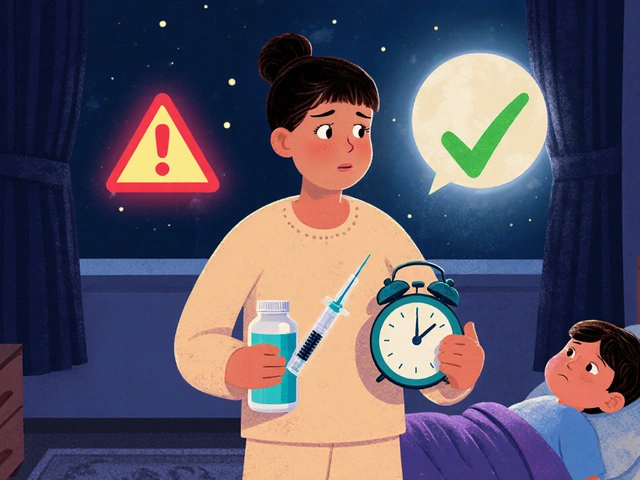
If you are prescribed a drug, follow the instructions exactly. Some people stop taking their pills as soon as they feel better, but this is a mistake. Leaving a few surviving bacteria in your system is exactly how resistance starts-you've killed the weak ones, and now the strong ones are left to multiply. Always finish the full course unless your doctor specifically tells you to stop.
What is the difference between a narrow-spectrum and broad-spectrum antibiotic?
Broad-spectrum antibiotics act like a wide net; they kill a huge variety of bacteria, including the good ones in your gut. Narrow-spectrum antibiotics are more like a sniper rifle; they target only the specific bacteria causing the infection, which helps preserve your gut health and reduces the risk of resistance.
Can I take probiotics to protect my gut while on antibiotics?
While many people use probiotics to restore gut flora, the best protection is avoiding unnecessary antibiotics in the first place. If you are on a required course, discuss specific probiotic strains with your doctor, as some are more effective than others at preventing C. diff.
Why shouldn't I save leftover antibiotics for a future illness?
Saving leftover drugs is dangerous because the next infection you get might be caused by a completely different bacterium. Using the wrong drug won't cure the illness and will only contribute to the development of antibiotic-resistant bacteria in your body.
How do I know if my doctor is practicing antibiotic stewardship?
A doctor practicing stewardship will likely ask more questions about your symptoms, may explain why an antibiotic isn't necessary for a viral infection, and will often order a culture test to identify the specific bacteria before prescribing a strong drug.
Is antimicrobial resistance a global problem or just a local one?
It is a global crisis. Bacteria don't respect borders. Resistant strains can travel across the world via travel and trade. This is why organizations like the World Health Organization (WHO) work with over 120 countries to implement national action plans for stewardship.
Next Steps for Better Health
If you've recently taken a heavy course of antibiotics, focus on recovering your gut health by eating fermented foods like kefir, sauerkraut, or kimchi, which introduce natural probiotics. If you are a healthcare provider, look into the CDC's Core Elements framework to see how your facility can implement more sustainable prescribing habits.
For those in long-term care or managing chronic illnesses, keep a record of every antibiotic you've taken. This helps your medical team avoid over-prescribing and ensures that if you do need a drug, they can choose one that hasn't failed you in the past.