
What Are Biosimilars, Really?
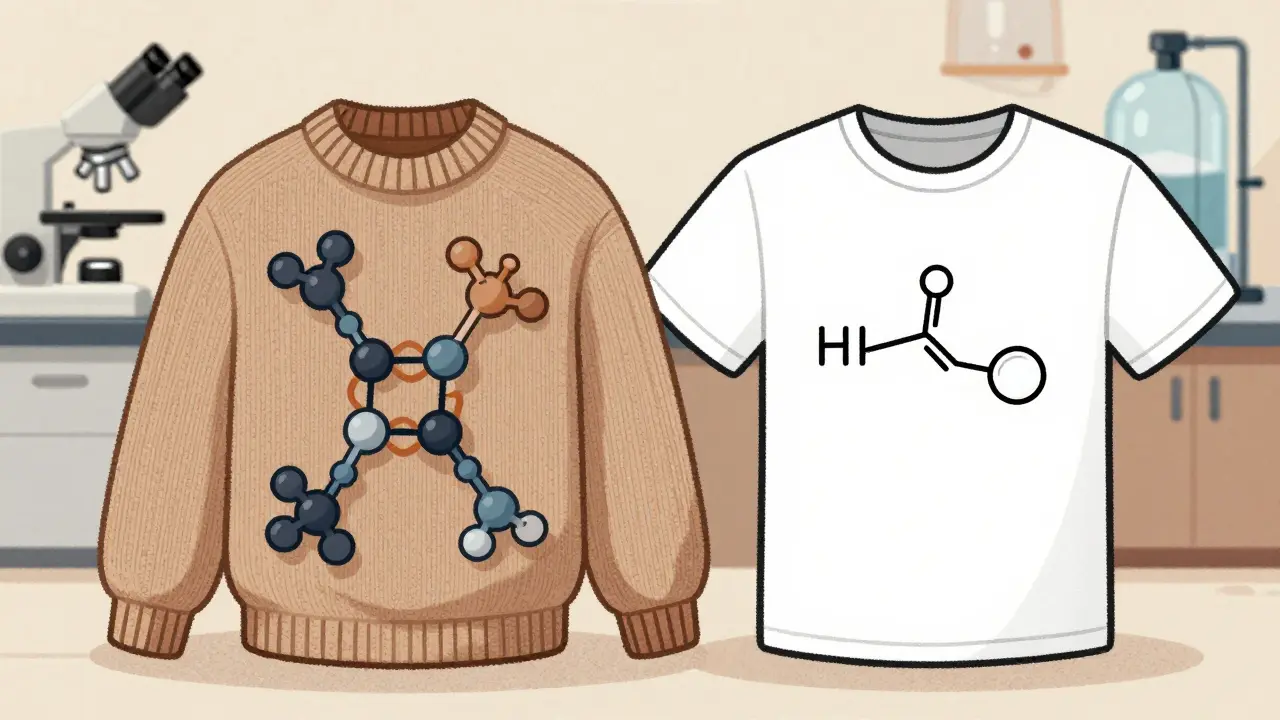
Biosimilars aren’t generics. That’s the first thing to understand. Generics copy small-molecule drugs like aspirin or metformin-simple chemicals that are easy to reproduce. Biosimilars copy biologics, which are complex proteins made from living cells. Think of them like a handmade sweater versus a mass-produced T-shirt. Even if you use the same yarn, no two sweaters are exactly alike. That’s why biosimilars require years of testing to prove they work the same way as the original drug.
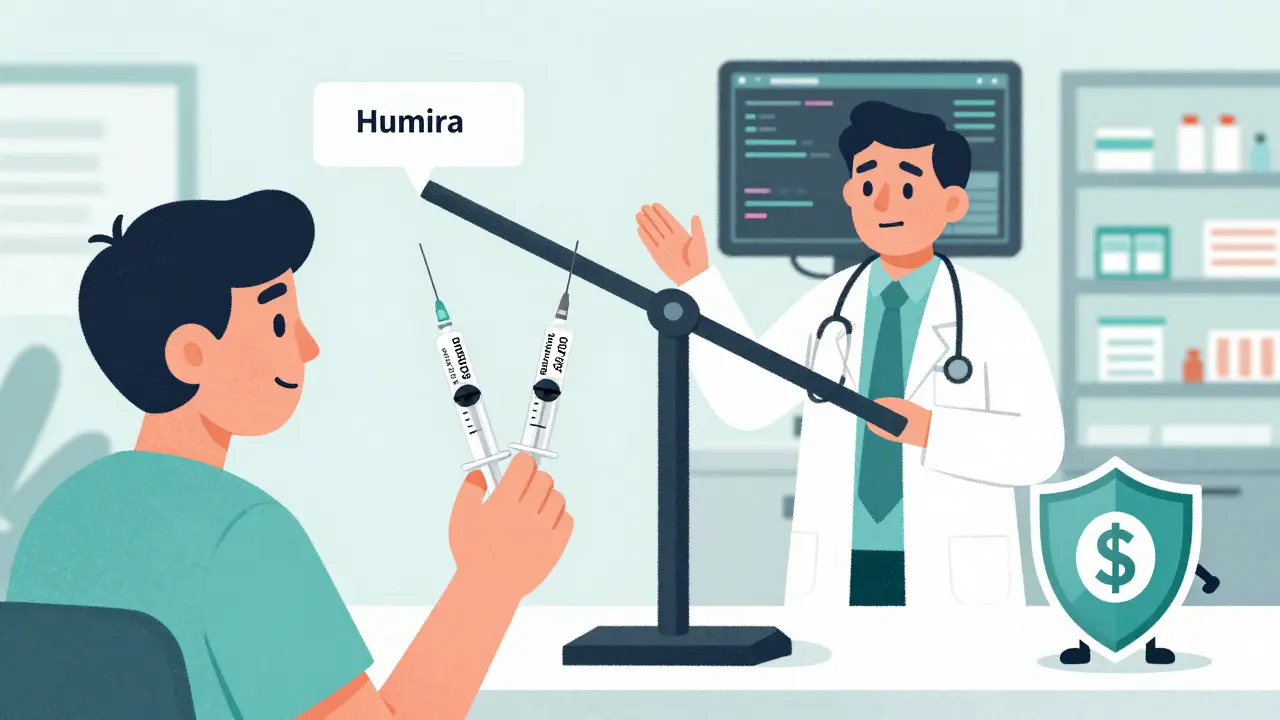
The FDA requires biosimilars to show no clinically meaningful difference in safety, effectiveness, or purity compared to the reference biologic. That means if a patient switches from Humira to its biosimilar, their immune system shouldn’t react differently. It’s not guesswork-it’s science backed by thousands of lab tests, animal studies, and clinical trials.
The Patent Cliff Is Here: $200 Billion at Stake
Between 2025 and 2030, over $200 billion in annual global sales for top biologics will lose patent protection. These aren’t minor drugs. They’re the backbone of modern medicine: cancer treatments, autoimmune therapies, and rare disease drugs. Keytruda, Eylea, Enbrel, Humira-these are blockbuster names that once dominated pharmacy shelves and insurance formularies.
Humira, for example, hit $21 billion in U.S. sales in 2023. After its patent expired in 2023, 12 biosimilars flooded the market within 18 months. Today, 80% of new Humira prescriptions are for biosimilars. That’s the power of competition.
Now it’s Keytruda’s turn. Merck’s cancer immunotherapy brought in $25.5 billion in 2024 alone. Its main patent expires in 2028, but with 237 patents in its portfolio, the company has stretched protection through legal maneuvers. Still, 14 companies are already in Phase 3 trials for Keytruda biosimilars. Once approved, expect prices to drop fast.
Who’s Building These Drugs-and How Much Does It Cost?
It’s not just big pharma. The biosimilar space is dominated by specialized players: Sandoz (Novartis), Samsung Bioepis, Biocon Biologics, Celltrion, and Alvotech. These companies don’t invent new drugs. They reverse-engineer existing ones with extreme precision.
Developing one biosimilar takes 7 to 10 years and costs between $150 million and $250 million. Samsung Bioepis spent $450 million building a single facility in South Korea just to make biosimilars. Why? Because even tiny changes in how cells grow, how proteins fold, or how sugars attach to the molecule can ruin the drug’s effectiveness.
Take pembrolizumab (Keytruda). Its biosimilar must match the exact glycosylation pattern-the sugar molecules attached to the protein. If the sugar is even slightly off, the immune system might not recognize it correctly. That’s why biosimilars need more than just chemical analysis. They need live cell tests, immune response studies, and real-world patient data.
Why Some Biosimilars Launch Fast-Others Get Stuck
Not all biosimilars enter the market at the same time. Timing depends on patents, lawsuits, and regulatory hurdles.
Eylea, a treatment for macular degeneration, lost its patent in 2025. Three biosimilars-Yesafili, Opuviz, and Enzeevu-got FDA approval in 2024 and hit the market in early 2025. Within three months, they captured 12% of new prescriptions.
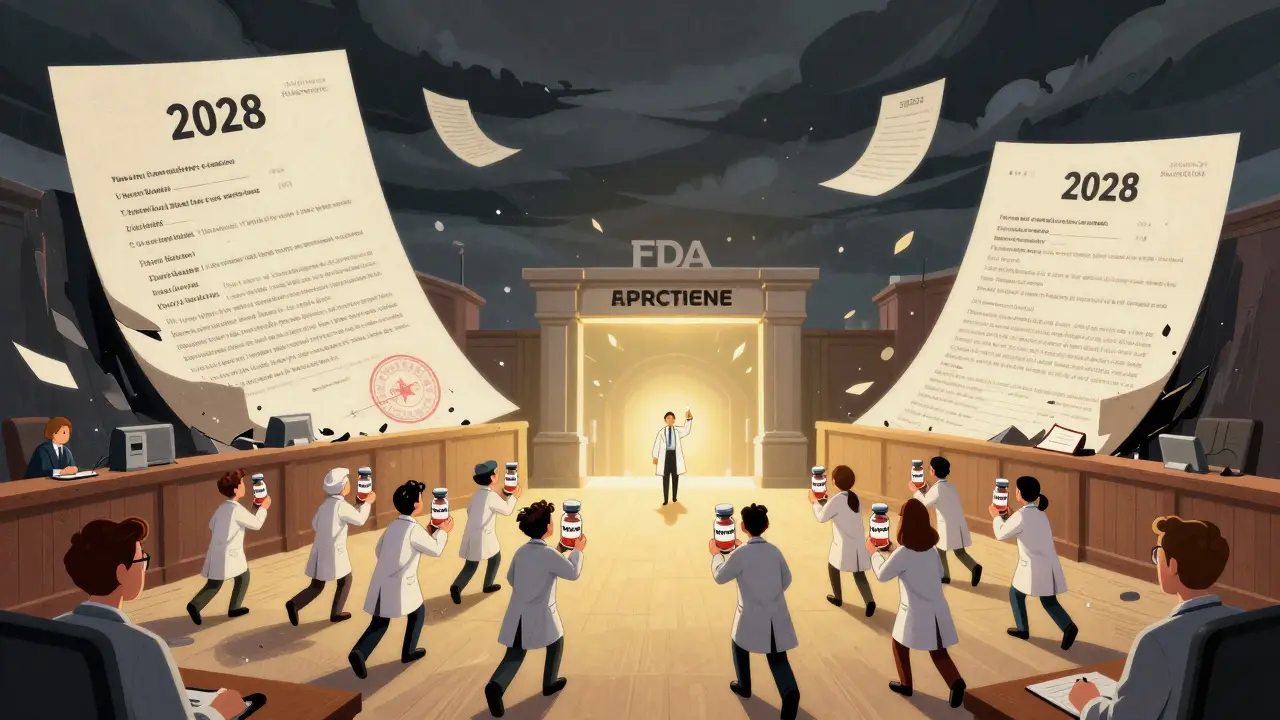
But Humira’s story was different. Even though its patent expired in 2023, biosimilars didn’t arrive until 2023 because of a decade-long legal battle. Merck and AbbVie used patent thickets-layering dozens of minor patents-to delay competition. The FDA’s 2025 update to the Purple Book now requires real-time patent listings, which should cut down on these delays.
Some drugs, like Eliquis, got pediatric exclusivity extensions that pushed patent life to 2029. Others, like Cosentyx, are facing biosimilar challenges in Europe first, with U.S. entry expected in 2026.
Pricing: 15% to 35% Off-But Why Isn’t It More?
Biosimilars typically launch at 15% to 35% cheaper than the original. That’s a lot, but it’s not the 80% discount you see with generics. Why?
First, manufacturing is expensive. You can’t just mix chemicals in a vat. You need bioreactors, sterile environments, and strict temperature controls. Second, originator companies fight back with rebates. Medicare Part B pays providers based on the drug’s average sales price (ASP). If a biosimilar costs $5,000 and the original costs $7,000, the provider still gets paid 6% of $7,000-$420-instead of $300. That creates a financial incentive to keep prescribing the more expensive drug.
Some payers are fixing this. Cigna’s 2025 Medicare Advantage plans now offer $0 copays for biosimilars versus $50 for the original. UnitedHealthcare has value-based contracts with Sandoz: if Enbrel biosimilar doesn’t save 25%, they refund the difference.
But without systemic reimbursement reform, savings won’t reach patients fully. Hospitals and clinics still face pressure to choose the higher-priced option.
Oncology vs. Autoimmune: Why One Is Easier Than the Other
Biosimilars for autoimmune diseases like rheumatoid arthritis or Crohn’s disease have been easier to adopt. Why? Because the drugs are given as injections or infusions, and patients don’t need to switch mid-treatment. Once doctors see that a biosimilar works just as well, they switch.
In oncology, it’s harder. Cancer drugs are often used in combinations. If a patient is on Keytruda plus chemotherapy, switching to a biosimilar might require new safety data for that combo. Some oncologists worry that even small structural differences could affect immune response in fragile patients.
Dr. Richard Pazdur from the FDA’s Oncology Center documented cases where patients switching between rituximab biosimilars had unexpected immune reactions. That’s why the FDA requires extra clinical data for oncology biosimilars. It’s not fear-it’s caution.
Real-World Impact: What Patients and Providers Are Saying
Patients love the cost savings. A November 2024 survey by the Cancer Support Community found 78% of 1,243 respondents were satisfied with biosimilar savings. But 34% said they were confused about whether they were getting the biosimilar or the original. Many didn’t even know the difference.
Doctors are more confident. Dr. Laura Chow from the University of Washington reported excellent outcomes switching inflammatory bowel disease patients from Humira to biosimilars. Hospitals like Mass General Brigham saw biosimilar use jump from 12% to 68% after mandating substitution for G-CSF drugs.
But challenges remain. Academic medical centers struggle to track long-term outcomes across multiple biosimilar versions. Pharmacists at CVS Caremark saw a 22% drop in prior authorization denials for biosimilars in Q2 2025-proof that insurers are starting to accept them. Still, many EHR systems aren’t updated to flag biosimilars correctly, leading to billing errors.
The Big Picture: Where This Is All Heading
The global biosimilars market hit $12.7 billion in 2024 and is expected to reach $80 billion by 2030. The U.S. is catching up fast. In 2020, the FDA approved 5 biosimilars a year. In 2024, it approved 17. The European Union has 82 approved biosimilars; the U.S. has 47. That gap is closing.
Consolidation is happening too. Sandoz bought Biocon’s biosimilars business for $3.9 billion in 2024, becoming the market leader with 28% share. Pfizer and Mylan merged to form Viatris specifically to commercialize biosimilars. Regeneron partnered with Alvotech for $1.2 billion to develop Eylea biosimilars.
Next-generation biologics-like antibody-drug conjugates-are coming. These are even more complex. The FDA’s 2025 draft guidance on analytical similarity aims to make approval faster for these drugs.
By 2035, Goldman Sachs predicts biosimilars will capture 75% of the revenue from expiring biologics. But BMO Capital Markets warns that new therapies with novel mechanisms could limit that to 55%. Either way, the era of sky-high prices for biologics is ending.
What This Means for You
If you’re a patient on a biologic like Humira, Keytruda, or Eylea, expect lower costs soon. Your doctor may offer a biosimilar as an option. Ask if it’s right for you. You won’t lose effectiveness-you’ll save money.
If you’re a provider, start preparing your practice. Update your EHR, train staff on substitution rules, and talk to patients about biosimilars. Don’t assume they know the difference.
If you’re a policymaker or payer, fix the reimbursement system. Stop rewarding higher prices. Let savings go to patients, not providers.
The future of biologics isn’t about blocking competition. It’s about using it to make life-saving drugs affordable. The science is ready. The patents are expiring. Now it’s time for the system to catch up.
Are biosimilars the same as generics?
No. Generics are exact copies of simple chemical drugs. Biosimilars are highly similar to complex biologic drugs made from living cells. They’re not identical, but they work the same way with no clinically meaningful differences in safety or effectiveness.
Why do biosimilars cost less but not as much as generics?
Manufacturing biologics is extremely complex and expensive. It requires living cells, sterile environments, and precise conditions. A biosimilar can cost $150-250 million to develop. Generics cost a fraction of that. Also, originator companies use rebates and contracts to keep prices high, which slows down price drops.
Which biologics are losing patents soon?
Keytruda (pembrolizumab) loses its main patent in 2028. Other major ones include Cosentyx (2029), Stelara (2029), and Enbrel (2029). Eylea’s patent expired in 2025, and Humira’s in 2023. These drugs represent over $200 billion in annual global sales.
Are biosimilars safe to switch to?
Yes, for most patients. The FDA requires extensive testing to prove biosimilars are as safe and effective as the original. For autoimmune drugs like Humira, switching has been very successful. For cancer drugs, doctors may be more cautious due to combination therapies and individual patient risks.
Will my insurance cover biosimilars?
Most do-and many are pushing patients toward them. Cigna and UnitedHealthcare now offer $0 copays for biosimilars. Medicare Part B reimbursement still favors higher-priced drugs, but new policies are changing that. Always check with your plan, but expect biosimilars to be the preferred option soon.

11 Comments
Diksha Srivastava January 30, 2026
This is so exciting! Biosimilars are going to change lives, especially in places like India where these drugs were just out of reach. Finally, some real hope for affordable healthcare.
Keep pushing this forward!
Adarsh Uttral February 1, 2026
bro i had no idea biosimilars cost more than generics. thought theyd be like 90% cheaper lmao
Shubham Dixit February 3, 2026
America still thinks it’s the only one doing science right. India and South Korea have been building biosimilars for over a decade with precision that puts Big Pharma to shame. Samsung Bioepis didn’t wait for patents to expire-they built the infrastructure while the U.S. was busy suing each other. We’re not behind-we’re leading, and you’re just catching up now that the money’s too big to ignore.
KATHRYN JOHNSON February 4, 2026
The FDA’s approval process is still too slow. If we’re serious about lowering drug prices, we need mandatory substitution laws and no rebates for originators. This isn’t about innovation anymore-it’s about profit extraction disguised as R&D.
Sazzy De February 4, 2026
i’ve seen patients switch from humira to biosimilars and honestly nothing changed for them
they’re just happier they’re paying half
Carolyn Whitehead February 6, 2026
so cool to see how fast eylea biosimilars took off
hope this trend keeps going for everything else
kate jones February 6, 2026
The glycosylation patterns in pembrolizumab biosimilars are the real bottleneck-not the science, but the analytical rigor required. Even a 0.5% deviation in sialylation can alter FcγR binding kinetics, which impacts ADCC efficacy. The FDA’s 2025 draft guidance on orthogonal assays is a step forward, but we still lack harmonized reference standards across global regulators. Without them, comparability becomes a regulatory minefield, not a scientific certainty.
Also, the reimbursement distortion in Medicare Part B remains the single largest barrier to adoption. Providers are financially incentivized to prescribe the higher-priced agent because the 6% margin is calculated on the ASP of the originator, not the biosimilar. That’s not a market failure-it’s a policy failure.
Amy Insalaco February 7, 2026
Let’s be real-biosimilars are just a band-aid. The real problem is that we’ve turned medicine into a patent lottery where companies stack 200+ trivial patents to extend monopolies. The FDA’s Purple Book update is cosmetic. What we need is a complete overhaul of the 1984 Hatch-Waxman Act to treat biologics like chemical drugs, not sacred relics. And stop pretending that $150 million development costs justify $7,000 vials. The real cost of a bioreactor is $12 million, not $150 million. The rest is legal fees, marketing, and executive bonuses.
owori patrick February 8, 2026
This is huge for Africa too. We’ve been waiting for years to get access to these drugs without paying Western prices. If biosimilars can get through regulatory pathways here, it could finally make cancer and autoimmune treatments something we don’t have to pray for.
Claire Wiltshire February 9, 2026
One thing I’ve noticed in academic centers: the biggest barrier isn’t safety-it’s EHR integration. Many systems still don’t flag biosimilars properly, leading to billing errors and confusion in clinical notes. Hospitals need to mandate coding updates and train pharmacists on substitution protocols. Without that, even the best science gets lost in paperwork.
Sidhanth SY February 10, 2026
Honestly, I think the real win here isn’t just the price drop-it’s that now we’re seeing global collaboration. Indian manufacturers working with U.S. clinics, Korean facilities supplying Europe, African regulators learning from FDA standards. This is how medicine should work-no borders, just science and access.