
Medication Reminder Tool Selector
Find Your Perfect Medication Reminder
Answer a few questions to get personalized recommendations for medication management tools that fit your unique situation.
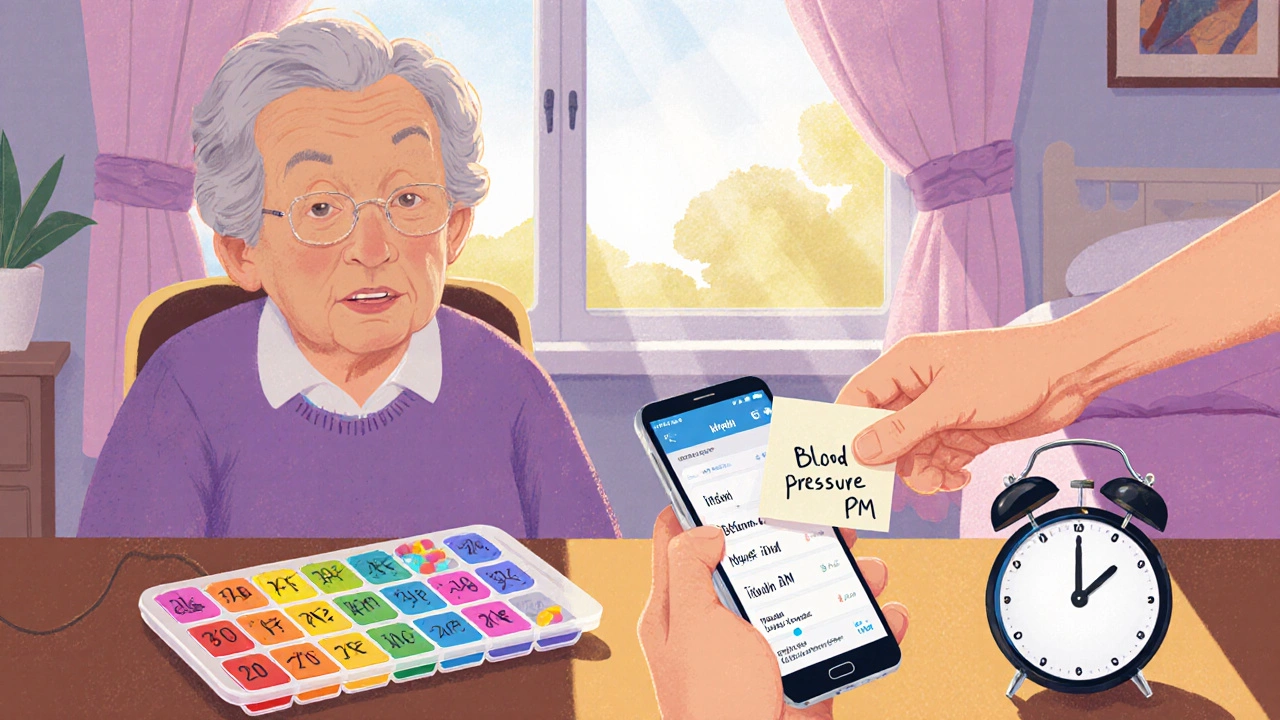
Taking your medicine on time isn’t just a good habit-it’s often the difference between getting better and ending up in the hospital. Around half of all people who need daily meds don’t take them as prescribed. That’s not because they’re lazy. It’s because life gets busy, schedules change, or the routine just fades away. For older adults, people with multiple prescriptions, or those managing chronic conditions like diabetes or heart failure, missing a dose can be dangerous. The good news? There are simple, proven ways to stay on track-using apps, alarms, and physical organizers that actually work.
Why Medication Adherence Matters More Than You Think
Missing doses doesn’t just mean your symptoms might come back. It leads to real, measurable harm. In the U.S., poor medication adherence causes about 125,000 deaths each year and contributes to nearly one in four hospital stays. The financial cost? Over $300 billion annually. That’s not just a statistic-it’s your neighbor, your parent, or maybe even you if nothing changes.
Studies show that apps and reminders can boost adherence by 15-20% on average. But not all tools are created equal. Some help. Others just add noise. The key is matching the tool to your life-not the other way around.
How Medication Reminder Apps Actually Work
Medication apps are more than just digital alarms. Modern ones like Medisafe is a medication management app that tracks doses, sends reminders, and checks for dangerous drug interactions. Also known as Medisafe App, it was launched in 2011 and now has over 5 million downloads and a 4.5-star rating from more than 246,000 users. connect to your phone’s calendar, sync across devices, and even alert a family member if you miss a dose.
Apps like MyTherapy is a health tracking app that logs medication intake, symptoms, and vital signs like blood pressure, with FDA-cleared integration. go further. They let you log how you feel each day, track mood swings, headaches, or fatigue, and show trends over time. For someone managing depression or high blood pressure, this data becomes a conversation starter with their doctor.
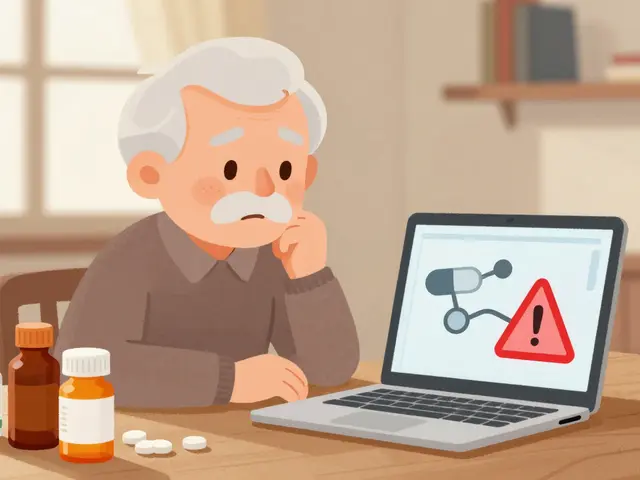
Then there’s EveryDose is a medication reminder app powered by an AI assistant named Maxwell that checks for drug interactions using a database of over 10,000 FDA-approved medications.. Its AI, Maxwell, scans your pills and warns you if mixing them with another drug could be risky. It’s accurate 98.7% of the time-but some seniors find the interface too cluttered.
Free options exist. Apple’s built-in Medications app (part of iOS 17.2+) now flags over 500,000 drug interactions using CDC data. Google’s partnership with Walgreens lets you auto-sync prescriptions to Dosecast. These aren’t gimmicks-they’re becoming standard features.
Setting Up Alarms That Actually Stick
Most people start with their phone’s alarm app. It’s free. It’s easy. But here’s the problem: 68% of people with memory issues or cognitive decline ignore or forget about phone alarms. Why? Because they’re too generic. A repeating 8 a.m. beep doesn’t help if you take six different pills at different times.
Smart alarms need personalization. That means:
- Setting multiple alarms with unique sounds for each medication
- Labeling them clearly: "Insulin AM," "Blood Pressure 6 PM"
- Using vibration + sound for hearing-impaired users
- Adding a 10-minute snooze window so you don’t panic if you’re late
One user in Sydney told us she uses three different alarm tones: a chime for morning pills, a low hum for afternoon meds, and a long beep for her nighttime insulin. She says it’s the only thing that keeps her from mixing up her 12 daily pills.
Don’t rely on just one alarm. Use your phone, smart speaker, and even a bedside alarm clock. Redundancy saves lives.
Pill Organizers: Simple, Physical, and Still Essential
Apps can fail if your phone dies. Alarms can be silenced. But a physical pill box? It’s always there. That’s why millions still use them.
Basic weekly organizers with morning/afternoon/evening slots cost under $10 and work great for simple regimens. But if you’re on complex meds-say, five pills at three different times a day-you need more.
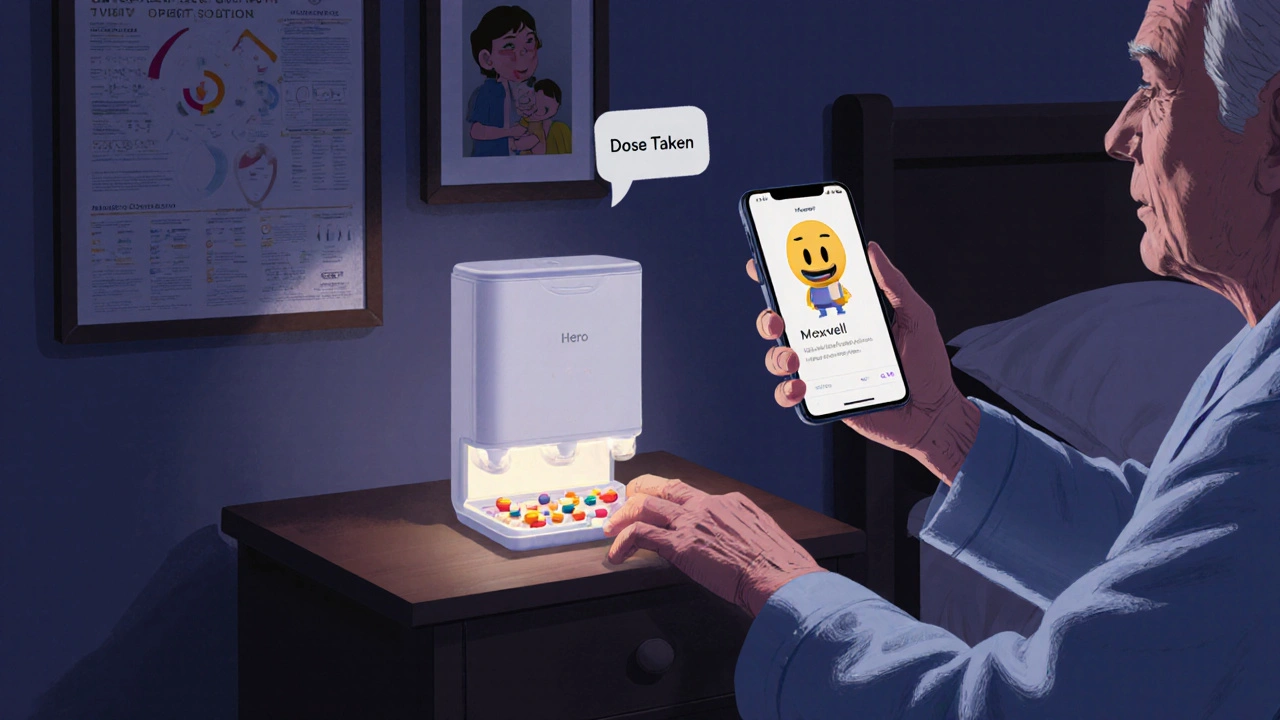
PillDrill Smart Medication System is a Bluetooth-enabled pill organizer with 28-dose capacity, real-time tracking, and alerts sent to caregivers. holds a full week’s pills and syncs to your phone. When it’s time to take a dose, the box lights up and sends a notification. If you don’t open it, your family gets a text. It costs $129.99, but for someone living alone with Parkinson’s or dementia, it’s worth every dollar.
Another option: Hero is a smart pill dispenser that automatically releases doses, tracks usage, and requires a monthly subscription.. It dispenses pills on schedule, locks away extras, and alerts caregivers. It’s used in Medicare trials with 92% adherence rates. But it costs $99.99 upfront plus $30/month. Not cheap-but for high-risk patients, it’s a safety net.
Biggest downside? Refilling. Many users say loading 14 pills into a tiny compartment every Sunday is a chore. Choose a design with wide openings and clear labels. Avoid ones with too many tiny slots.
Choosing the Right Tool for Your Needs
There’s no one-size-fits-all solution. Here’s how to pick:
| Tool Type | Best For | Cost | Pros | Cons |
|---|---|---|---|---|
| Medisafe App | People on multiple meds, caregivers involved | Free or $4.99/month | Drug interaction checker, caregiver alerts, 99.2% accuracy | Too many pop-ups, can flag false warnings |
| MyTherapy App | Chronic condition tracking (diabetes, depression) | Free or $2.99/month | Logs symptoms, FDA-cleared blood pressure sync, streak tracking | No Apple Watch standalone mode |
| EveryDose App | Complex regimens, AI help | Free or $3.99/month | AI assistant checks 10,000+ drugs, 98.7% accuracy | Hard for seniors to navigate |
| PillDrill Smart Box | Seniors living alone, memory issues | $129.99 one-time | Physical + digital, caregiver alerts, lights up | Hard to refill, no voice control |
| Hero Dispenser | High-risk patients, oncology, heart failure | $99.99 + $30/month | Automatically dispenses pills, 92% adherence in trials | Expensive, subscription required |
| Phone Alarms (iOS/Android) | Simple regimens, tech-savvy users | Free | No setup, always available | 43% effective-too easy to ignore |
Ask yourself: Do you need to track how you feel? Then pick MyTherapy. Do you have a caregiver who wants to check in? Medisafe’s "MedFriend" feature is perfect. Are you forgetful and live alone? A smart box like PillDrill or Hero might be worth the investment.
What Experts Say-and What They Don’t
Dr. Michael Hochman from the Gehr Center says: "Apps help, but they don’t fix the real problem-cost." If your pills are too expensive, no reminder will make you take them. That’s why Medicare now pays $15/month for FDA-approved adherence tools. It’s a game-changer for seniors.
Dr. Sarah Ahmed from Johns Hopkins warns about "notification fatigue." If your phone pings you 10 times a day with the same sound, you’ll turn it off. Within 30 days, 61% of users disable alerts unless the reminders are personalized and smart.
Mayo Clinic’s pilot with Care4Today Connect showed a 22% drop in hospital readmissions for heart failure patients. Why? Because it didn’t just remind you-it let your doctor message you directly if you missed a dose.
Bottom line: The best tools combine reminders with human connection.
Common Mistakes and How to Avoid Them
Most people fail not because the tech doesn’t work-but because they set it up wrong.
- Mistake: Setting all alarms for 8 a.m. Solution: Match the alarm to the actual time you take each pill-even if it’s 7 a.m., 1 p.m., and 9 p.m.
- Mistake: Not telling a family member. Solution: Use Medisafe’s caregiver sharing. Give someone access to see if you took your meds.
- Mistake: Using a pill box without labels. Solution: Write the drug name and dose on each compartment with a permanent marker.
- Mistake: Ignoring false alerts. Solution: If an app says your vitamin interacts with Tylenol, call your pharmacist. Don’t assume the app is right.
- Mistake: Giving up after two weeks. Solution: Join Reddit’s r/MyTherapy. Thousands of users share custom reminders, tips, and encouragement.
One study found that weekly medication checks reduced errors by 53%. Just open your pill box every Sunday. Count the pills. Compare to your prescription. It takes 10 minutes. It saves lives.
What’s Coming Next
Medication tech is getting smarter. Medisafe’s new "AdherenceScore" uses 27 behavioral signals-like how often you open your phone or if you respond to alerts-to predict when you’ll miss a dose. It’s 89% accurate.
Amazon’s PillPack Alexa skill lets you say, "Alexa, did I take my blood pressure pill?" and it checks your log. Trials cut errors by 31%.
But here’s the catch: 63% of free apps sell your anonymized data. And only 28% of Medicare-covered tools show results beyond six months. So choose wisely. Look for tools backed by real studies, not just flashy ads.
By 2026, experts predict most standalone apps will disappear. The winners will be those built into health systems-linked to your doctor’s records, your insurance, and your pharmacy. The future isn’t just about reminders. It’s about integration.
Start Small. Stay Consistent.
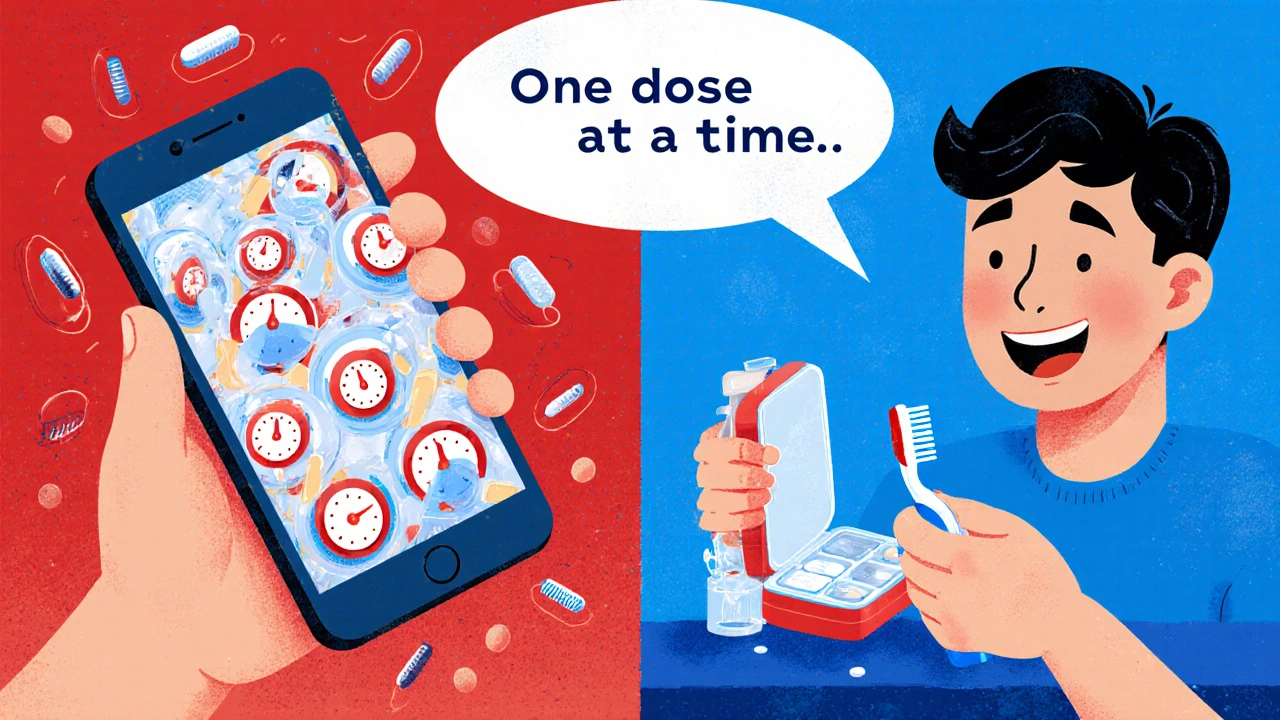
You don’t need the fanciest app or the most expensive box. Start with one thing: a daily alarm labeled with the name of your most important pill. Set it for the exact time you take it. Put your pill organizer next to your toothbrush. Tell one person you’re trying to do better.
Medication adherence isn’t about perfection. It’s about progress. One dose at a time.
What’s the best free medication reminder app?
The best free option is Apple’s built-in Medications app (iOS 17.2+) or Google’s Dosecast with Walgreens sync. Both offer drug interaction checks, dose reminders, and sync across devices at no cost. Medisafe also has a free tier with basic tracking and caregiver alerts. Avoid apps that push paid upgrades too hard-stick to ones that prioritize function over ads.
Do pill organizers really work for seniors?
Yes-especially if they’re simple and paired with reminders. Basic weekly organizers help with morning/afternoon/evening routines. For memory issues, smart boxes like PillDrill or Hero are better because they light up, send alerts, and notify caregivers. The key is matching the complexity of the organizer to the person’s needs. Too many compartments cause more confusion than help.
Can I use my phone’s alarm instead of an app?
You can, but it’s less reliable. Phone alarms work for 43% of users-meaning 57% miss doses. Apps are better because they track what you’ve taken, warn about interactions, and let others know if you skip a dose. Use phone alarms only if you’re on one or two pills and have a strong routine. Otherwise, upgrade to an app or smart box.
Why do some apps flag my vitamins as dangerous?
Many apps use broad drug interaction databases that don’t distinguish between prescription and over-the-counter doses. For example, some flag prenatal vitamins as risky with Tylenol because of iron or vitamin K content-even though the dose is safe. Always verify alerts with your pharmacist. Don’t assume the app is right. Human judgment still matters.
Is it worth paying for a smart pill dispenser?
If you’re at high risk-like after a heart attack, with dementia, or on chemotherapy-yes. Devices like Hero have shown 92% adherence in clinical trials. That means fewer ER visits and hospital stays. The $30/month fee adds up, but if it prevents one hospitalization, it pays for itself. Medicare may cover part of the cost if prescribed by your doctor.
How do I get my family involved in my medication plan?
Use apps like Medisafe that let you invite caregivers. Share your schedule, and let them get alerts if you miss a dose. Schedule a weekly 10-minute check-in to review your pill box. Write down your meds and share the list. Most people want to help-they just don’t know how. Give them a clear, simple role.

9 Comments
Jessica Healey November 17, 2025
I used to forget my blood pressure meds every other day until I got that dumb pillbox from PillDrill. Now it lights up like a Christmas tree and my sister gets a text if I don’t open it. I hate that it’s a chore to refill, but honestly? Worth it. I didn’t realize how close I was to the ER until I started tracking.
Levi Hobbs November 18, 2025
Just wanted to say-apps are great, but don’t underestimate the power of a sticky note on the fridge. I’ve seen people with 12 pills, 3 apps, and a smart box… and still miss doses because they didn’t write down the times. I use a whiteboard: morning, afternoon, night. I write the pill names. I check it with my coffee. No tech. No stress. Just clarity.
henry mariono November 19, 2025
My mom’s on six meds. She uses MyTherapy, and it’s helped her notice her anxiety spikes line up with skipped doses. She didn’t even realize the connection until the app showed the trend. I think the real win here isn’t the tech-it’s the self-awareness it builds. Quiet, but powerful.
Sridhar Suvarna November 21, 2025
Adherence is not a personal failure it is a system failure. We blame the patient for forgetting but we never fix the cost the complexity the loneliness. A smart box costs 130 dollars but insulin costs 300 a vial. No app can fix that. We need policy change not better alarms. The real hero is not the app it is the pharmacist who calls you when you haven’t picked up your meds in 3 weeks
Joseph Peel November 22, 2025
Apple’s Medications app is the quiet MVP here. No ads. No upsells. Just clean, reliable tracking synced with your pharmacy. I’ve been using it since iOS 17.2 and never looked back. It doesn’t try to be fancy-it just works. Sometimes the best tech is the one you forget exists until you need it.
Kelsey Robertson November 24, 2025
Ugh. Another ‘tech will save us’ article. Let’s be real-most of these apps are just glorified timers with push notifications that get deleted by day 3. And don’t get me started on ‘AI assistants’ that flag vitamin D as a ‘dangerous interaction’ with aspirin. You know what’s dangerous? Paying $30/month for a box that beeps when you’re already awake. This isn’t innovation. It’s monetized anxiety.
Joseph Townsend November 25, 2025
MY GOD. I used to take my meds like I was playing Russian roulette-sometimes, sometimes not. Then I got Hero. It literally opens the compartment like a magic box and locks the rest. I cried the first time it saved me from taking two blood thinners at once. I’m not even joking. It’s not a gadget-it’s a guardian angel with a subscription fee. And yes, I pay it. Every. Single. Month.
Bill Machi November 25, 2025
Why are we letting corporations sell us expensive boxes when we could just use a $5 pill organizer and a calendar? This whole ‘smart’ trend is just a scam. You don’t need AI to remind you to take your pills. You need discipline. And if you can’t manage that, maybe you shouldn’t be left alone with your meds. This country is coddling people with gadgets instead of teaching responsibility.
Elia DOnald Maluleke November 27, 2025
Let me tell you something-back in Cape Town, my grandmother used a tin box, a pencil, and a church bell that rang at 7 a.m. She didn’t have a phone. She didn’t have an app. But she never missed a dose. The real secret? Community. Someone checked on her. Someone remembered. Technology can assist-but it cannot replace the human hand that holds yours when you forget.