
When you take a medication, you expect it to help—not hurt. But adverse drug reactions, unintended and harmful responses to medicines at normal doses. Also known as drug side effects, they can range from a mild rash to life-threatening organ failure. These aren’t rare mistakes—they happen to millions every year, often because people don’t know what to watch for or when to act.
Not all bad reactions are the same. Some are predictable, like stomach upset from antibiotics. Others, like drug interactions, when two or more medications change how each other works in your body, catch even doctors off guard. Take warfarin and certain antibiotics together? Your INR can spike, raising your risk of internal bleeding. Or mix antacids with antibiotics like ciprofloxacin? The antibiotic might not absorb at all, leaving your infection untreated. Then there are allergic reactions, immune system overreactions that can cause swelling, trouble breathing, or anaphylaxis—these don’t depend on dose and can happen the very first time you take a drug.
These aren’t just theoretical risks. Look at the posts below: one explains how tramadol can trigger seizures in people with epilepsy. Another shows how common antibiotics can cause dangerous heart rhythms. There’s a guide on how clopidogrel increases GI bleeding risk, and another on how statins—often seen as safe—can still cause muscle damage if ignored. Even something as simple as missing a pediatric dose or confusing look-alike pill bottles can lead to serious harm. These aren’t edge cases. They’re everyday problems with real consequences.
You don’t need to be a doctor to protect yourself. Knowing what to look for—like fruity breath in diabetic ketoacidosis, sudden confusion with benzodiazepines, or unexplained bruising on blood thinners—can save your life. Reading your medication guide isn’t paperwork. It’s your first line of defense. And if you’re managing multiple drugs, tracking interactions isn’t optional—it’s survival.
Below, you’ll find real, practical advice from people who’ve been there. Whether you’re worried about a new prescription, managing chronic conditions, or just trying to avoid a mistake that could land you in the ER, these posts give you the tools to act—before it’s too late.
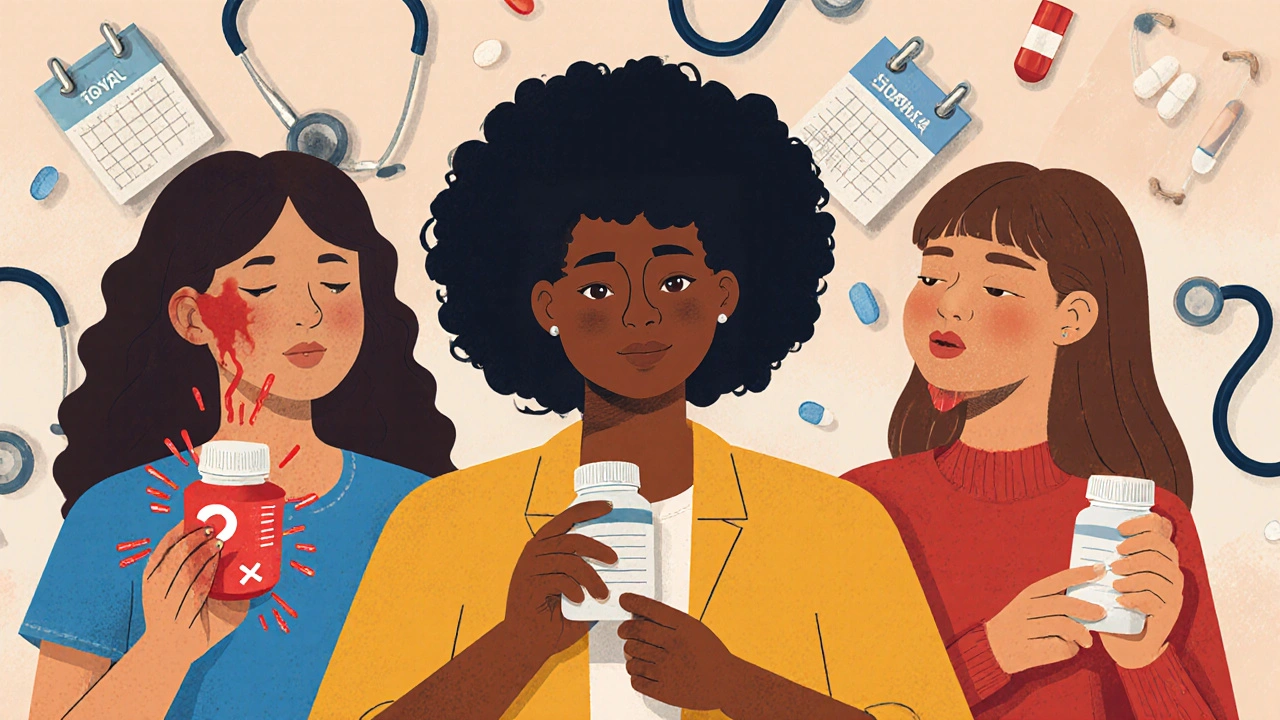
Learn the early warning signs of dangerous medication side effects that can turn life-threatening within hours. Know when to act fast and how to protect yourself from hidden drug reactions.
Read more