
When someone takes too much of a benzodiazepine, a class of central nervous system depressants used to treat anxiety, seizures, and insomnia. Also known as benzos, these drugs include diazepam, lorazepam, alprazolam, and clonazepam. They work by calming brain activity—but when taken in excess, that calming effect can shut down breathing and heart function. A benzodiazepine overdose, a medical emergency caused by excessive intake of these sedatives doesn’t always look like a drug crash. Sometimes it’s just extreme drowsiness, slurred speech, or confusion. Other times, it’s a silent shutdown—no movement, no response, no breathing. The risk jumps dramatically when benzos are mixed with alcohol, opioids, or sleep aids. In fact, nearly 70% of fatal benzodiazepine overdoses involve another depressant.
Not everyone who takes a high dose will overdose, but some people are far more vulnerable. Older adults, people with liver disease, or those taking multiple sedatives are at higher risk. Even a single extra pill can be dangerous if your body can’t process it. And here’s the scary part: many people don’t realize they’re taking benzos. Some are prescribed for anxiety, others for muscle spasms or seizures. Some get them from friends. Others buy them online—where pills are often fake, mixed with fentanyl, or contain five times the labeled dose. That’s why drug interaction, how one medication affects the action of another matters just as much as dosage. A common painkiller or antibiotic might seem harmless, but with benzos, it can turn a manageable dose into a deadly one.
If you suspect a sedative overdose, a life-threatening reaction from too much depressant medication, don’t wait. Call emergency services immediately. Don’t try to wake them with cold showers or coffee. Don’t assume they’re just sleeping. Time is critical. Naloxone won’t reverse a benzo overdose—it only works on opioids. But emergency teams have other tools: flumazenil, airway support, and monitoring. The sooner help arrives, the better the chance of survival.
What you’ll find below are real, practical guides that cut through the noise. You’ll read about how online pharmacies sell fake pills that look like benzos but contain deadly substitutes. You’ll learn why mixing anxiety meds with antibiotics or painkillers can be a silent killer. You’ll see how medication reminders and proper labeling can prevent accidental overdoses—especially in older adults or those with vision or hearing loss. These aren’t theoretical warnings. They’re stories from people who lived through near-misses, and the hard lessons they learned the hard way.
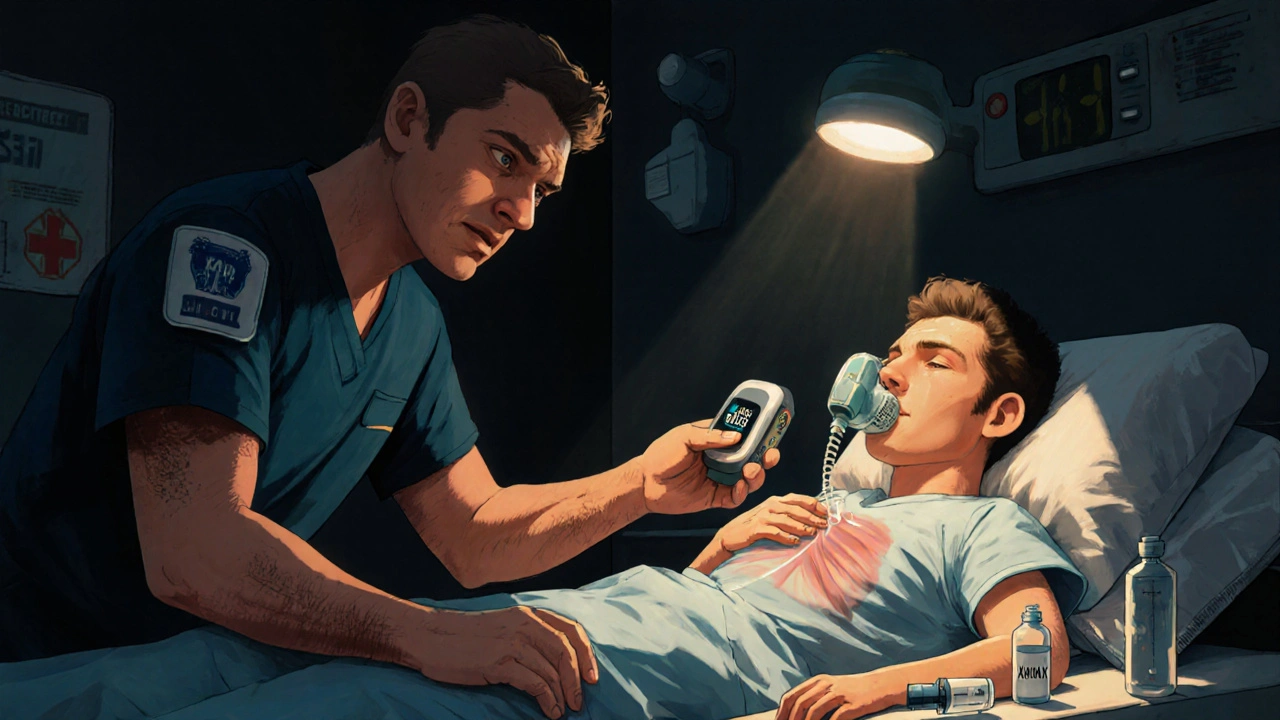
Benzodiazepine overdose rarely kills alone-but when mixed with opioids or alcohol, it becomes deadly. Learn the emergency protocols, why flumazenil is rarely used, and how to safely monitor patients for full recovery.
Read more