
When you have diabetes, your eyes are at risk—not from sugar directly, but from the slow damage it does to tiny blood vessels. Diabetic retinopathy, a leading cause of vision loss in adults with diabetes. It often has no symptoms until it’s advanced, which is why diabetic eye screening isn’t optional—it’s life-changing. This isn’t just about checking your vision. It’s about spotting leaks, swelling, and abnormal blood vessels in the retina before they destroy your sight.
People with type 1 or type 2 diabetes should get screened regularly, usually once a year. If your diabetes is poorly controlled or you already have signs of eye damage, your doctor may recommend checks every 3 to 6 months. The screening itself is quick: no needles, no surgery—just eye drops to widen your pupils and a few photos taken of the back of your eye. No, you don’t need to see a specialist every time. Many primary care clinics and even some pharmacies now offer basic screenings using digital cameras. But if the images show anything unusual, you’ll be sent to an ophthalmologist who specializes in diabetic eye disease, the group of conditions caused by high blood sugar damaging the retina. Early detection means treatments like laser therapy or injections can stop the damage in its tracks. Waiting until you can’t read the clock or see your grandkids’ faces? That’s too late.
It’s not just about the screening—it’s about what happens between visits. Keeping your blood sugar steady, managing your blood pressure, and quitting smoking all cut your risk. But even if you’re doing everything right, you still need the exam. Studies show nearly half of people with diabetic retinopathy don’t know they have it until their vision is already damaged. And here’s the hard truth: once vision is lost, it’s often permanent. That’s why vision loss prevention, the goal of regular diabetic retinopathy screening. This isn’t a luxury. It’s as essential as checking your HbA1c or taking your insulin.
The posts below give you real, practical advice on what to expect during screening, how to prepare, what the results mean, and how to protect your eyes long-term. You’ll find tips for people with low vision, guides on reading your eye exam reports, and warnings about medications that might make eye damage worse. This isn’t theory. It’s what works for real people trying to hold onto their sight while managing diabetes.
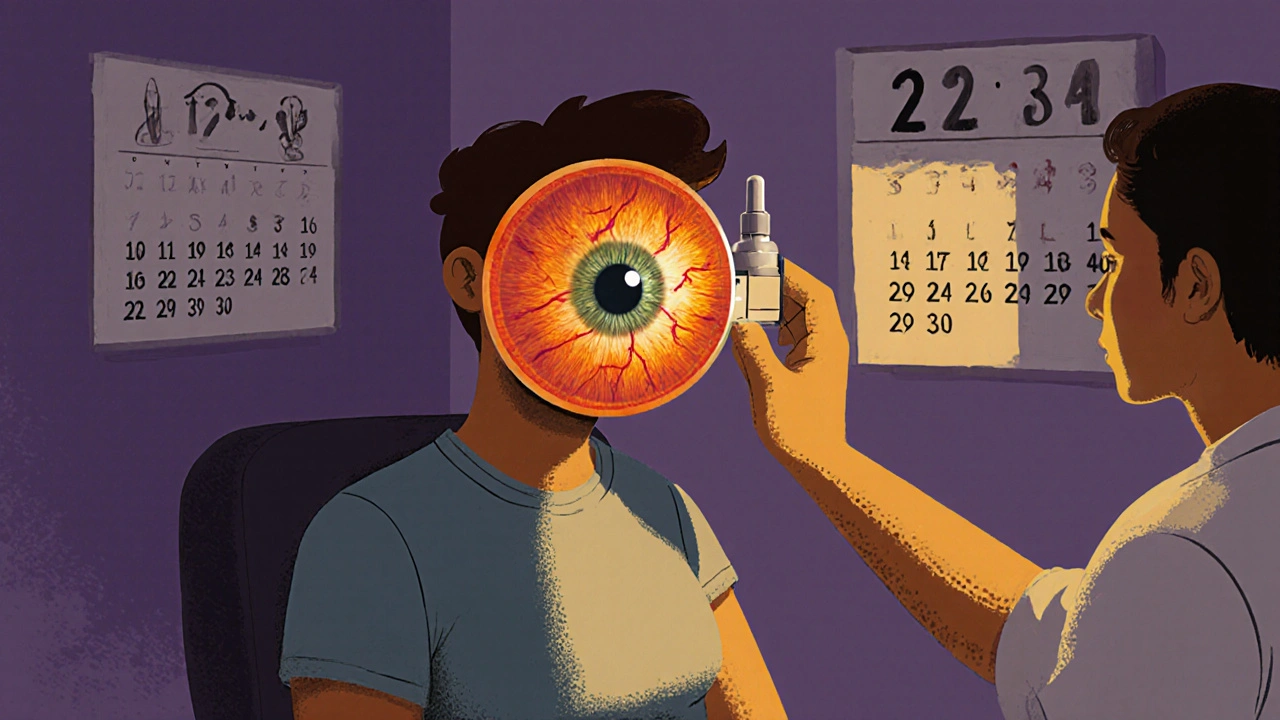
Diabetic retinopathy is the leading cause of preventable blindness in adults with diabetes. Learn when to get screened, how treatment works, and how to protect your vision based on your personal risk level.
Read more