
When diabetic ketoacidosis, a life-threatening complication of diabetes caused by severe insulin deficiency leading to high blood sugar and toxic acid buildup. Also known as DKA, it happens when the body starts breaking down fat for energy because it can’t use glucose properly. This isn’t just a high blood sugar issue—it’s a chemical emergency. Without quick, correct treatment, DKA can lead to coma or death. The good news? With the right steps, it’s almost always reversible.
DKA treatment isn’t one thing—it’s three things working together: insulin therapy, the key to stopping fat breakdown and lowering blood sugar safely, fluid replacement, to rehydrate the body and flush out ketones, and electrolyte imbalance correction, especially potassium, which drops dangerously low during treatment. Many people think just giving insulin is enough. It’s not. If you give insulin without fluids, you risk shock. If you give insulin without checking potassium, you can trigger a fatal heart rhythm. That’s why DKA treatment happens in hospitals, not at home.
What makes DKA worse? Skipping insulin, infections like pneumonia or UTIs, and not recognizing early signs—frequent urination, extreme thirst, nausea, fruity breath, confusion. People with type 1 diabetes are most at risk, but type 2 can get it too, especially under stress or illness. The treatment is the same, but the risk factors differ. You can’t prevent every case, but you can reduce your chances by sticking to your insulin schedule, checking blood sugar more often when sick, and knowing when to call for help.
You’ll find posts here that cover related dangers: how antibiotics can mess with blood sugar control, how missed doses lead to crises, how medication guides warn you about hidden risks, and how to spot early signs of drug reactions before they turn into emergencies. These aren’t random stories—they’re pieces of the same puzzle. DKA doesn’t happen in a vacuum. It’s often triggered by something else—a missed pill, an infection, a bad interaction. That’s why understanding the bigger picture matters. The posts below give you real, practical ways to avoid the path that leads to DKA—and what to do if it happens anyway.
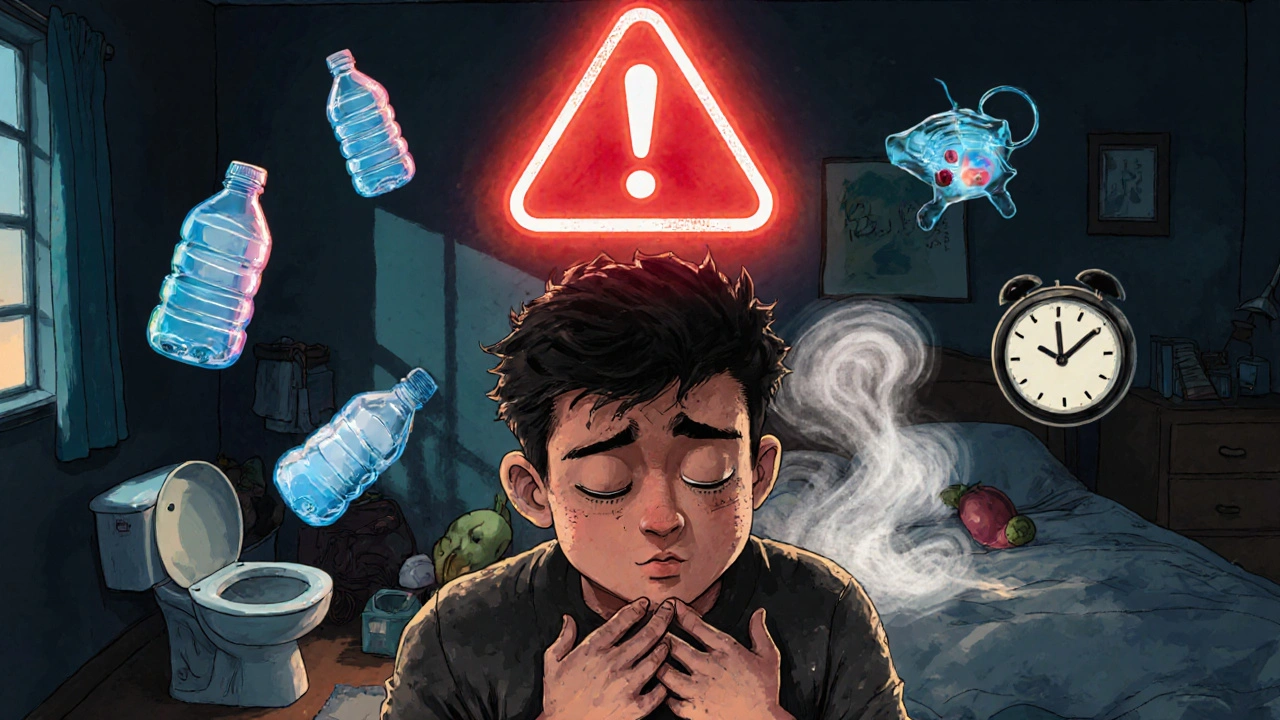
Diabetic ketoacidosis is a life-threatening emergency caused by insulin deficiency. Learn the warning signs-like fruity breath, vomiting, and confusion-and what happens during hospital treatment. Early action saves lives.
Read more