
When your body can’t use sugar for energy, it starts breaking down fat instead—producing toxic acids called ketones, toxic byproducts formed when the body burns fat for fuel due to lack of insulin. This is diabetic ketoacidosis, a life-threatening condition that happens when high blood sugar and ketones build up in the blood, often called DKA. It’s most common in people with type 1 diabetes, but it can also strike those with type 2, especially during illness, missed insulin doses, or new diagnosis. DKA doesn’t sneak up slowly—it escalates fast, sometimes within hours. Ignoring the early signs can lead to coma or death.
High blood sugar, abnormally elevated glucose levels in the bloodstream, often above 250 mg/dL in DKA is the starting point. But you won’t always feel it. Many people think if they don’t feel sick, they’re fine. That’s dangerous. DKA doesn’t wait for symptoms to get bad before it hits hard. The real red flags come after: dry mouth, extreme thirst, frequent urination, nausea, vomiting, and abdominal pain—especially in kids. Breath that smells fruity or like nail polish remover? That’s ketones escaping through your lungs. Confusion, fatigue, or trouble breathing? Those mean your body is shutting down. You don’t need a lab test to know something’s wrong. If you have diabetes and you’re feeling off, check your ketones with a simple urine strip or blood meter. Don’t wait for vomiting to start. Don’t wait for your blood sugar to hit 400. Act when you see the first cluster: high sugar + ketones + feeling unwell.
Insulin deficiency is the root cause. Whether you skipped a dose, your pump failed, or you got sick and your body fought back harder than your meds could handle, your cells are starving. That’s when your liver goes into overdrive, dumping out glucose and ketones like a broken faucet. This isn’t about being careless—it’s about understanding how fragile the balance is. Even a small infection, like a cold or UTI, can trigger DKA in someone who’s been stable for years. That’s why knowing your warning signs isn’t optional. It’s survival. The posts below give you real, practical tools: how to test ketones correctly, what to do if your sugar won’t drop, how to talk to your doctor about insulin adjustments during illness, and what to keep in your emergency kit. You won’t find fluff here. Just what works when minutes matter.
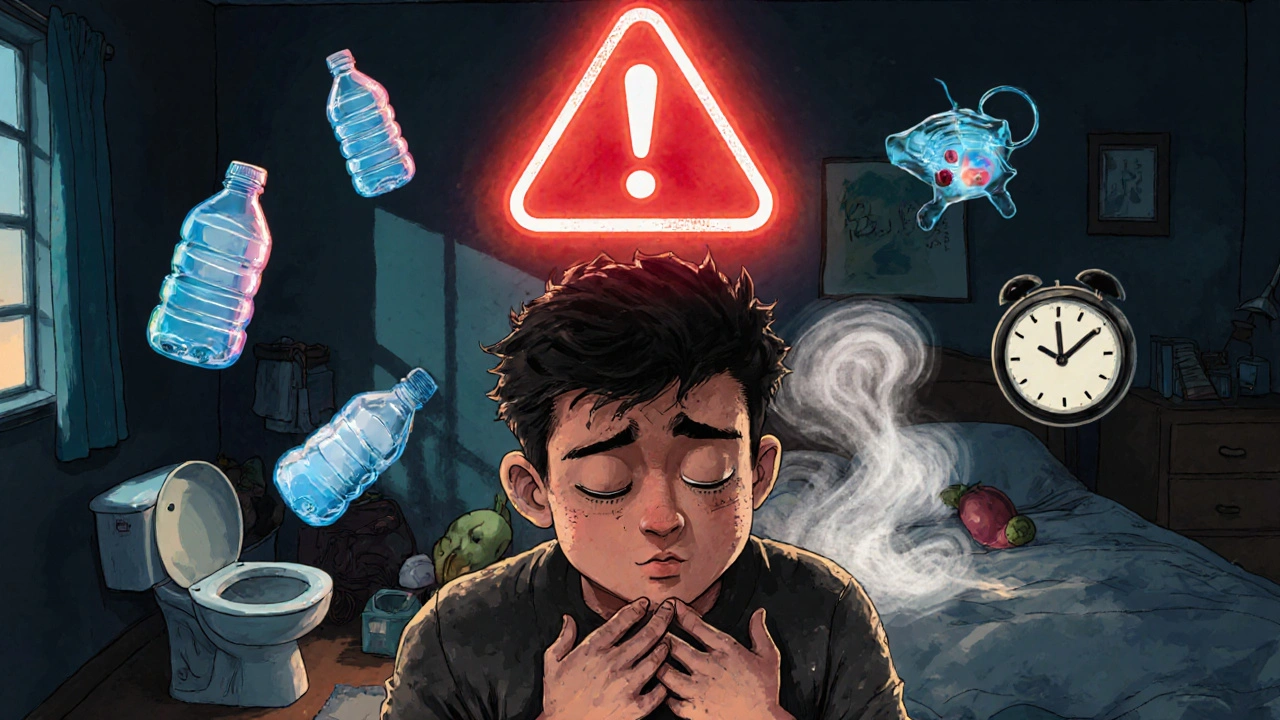
Diabetic ketoacidosis is a life-threatening emergency caused by insulin deficiency. Learn the warning signs-like fruity breath, vomiting, and confusion-and what happens during hospital treatment. Early action saves lives.
Read more