
When your body reacts badly to a medication, it’s not always obvious at first. A mild itch, a strange fatigue, or even a change in your mood could be early drug reaction signs, unintended physical or emotional responses to a medication that aren’t part of its intended effect. Also known as adverse drug events, these reactions range from annoying to life-threatening—and many people ignore them until it’s too late. You’re not alone. Nearly 1 in 5 adults experiences some kind of negative response to a drug, and most don’t report it until they’re in the ER.
Not all drug reactions are allergies. A true allergic drug reaction, an immune system overreaction to a medication, often causing hives, swelling, or trouble breathing shows up fast—sometimes within minutes. But other types, like drug interaction, when two or more medications interfere with each other’s effects, often causing unexpected side effects, creep in slowly. Think of warfarin and antibiotics, or antacids and antibiotics—these pairs don’t just cancel each other out. They can turn a simple treatment into a medical emergency. Even common drugs like tramadol or statins can trigger seizures or muscle damage in people who don’t realize they’re at risk.
What makes these signs so dangerous is how easily they’re mistaken for something else. A rash? Maybe it’s just stress. Dizziness? Probably didn’t sleep well. Nausea? Must be the flu. But when these symptoms show up after starting a new drug, they’re your body’s alarm system. The key is timing. If a new symptom appears within hours or days of taking a medication, it’s worth paying attention. And if you’ve got swelling in your throat, trouble breathing, or your skin starts peeling? That’s not a coincidence—it’s an emergency.
What you’ll find below isn’t just a list of symptoms. It’s a real-world guide built from actual patient experiences and clinical data. You’ll see how people caught dangerous reactions early by noticing small changes—like fruity breath signaling diabetic ketoacidosis, or a rapid heartbeat after starting an antibiotic. You’ll learn how to spot look-alike pills that cause confusion, how to track interactions between blood thinners and common OTC meds, and what to do when your body just doesn’t feel right after taking something you’ve used before. These aren’t theoretical warnings. They’re the kind of details that save lives.
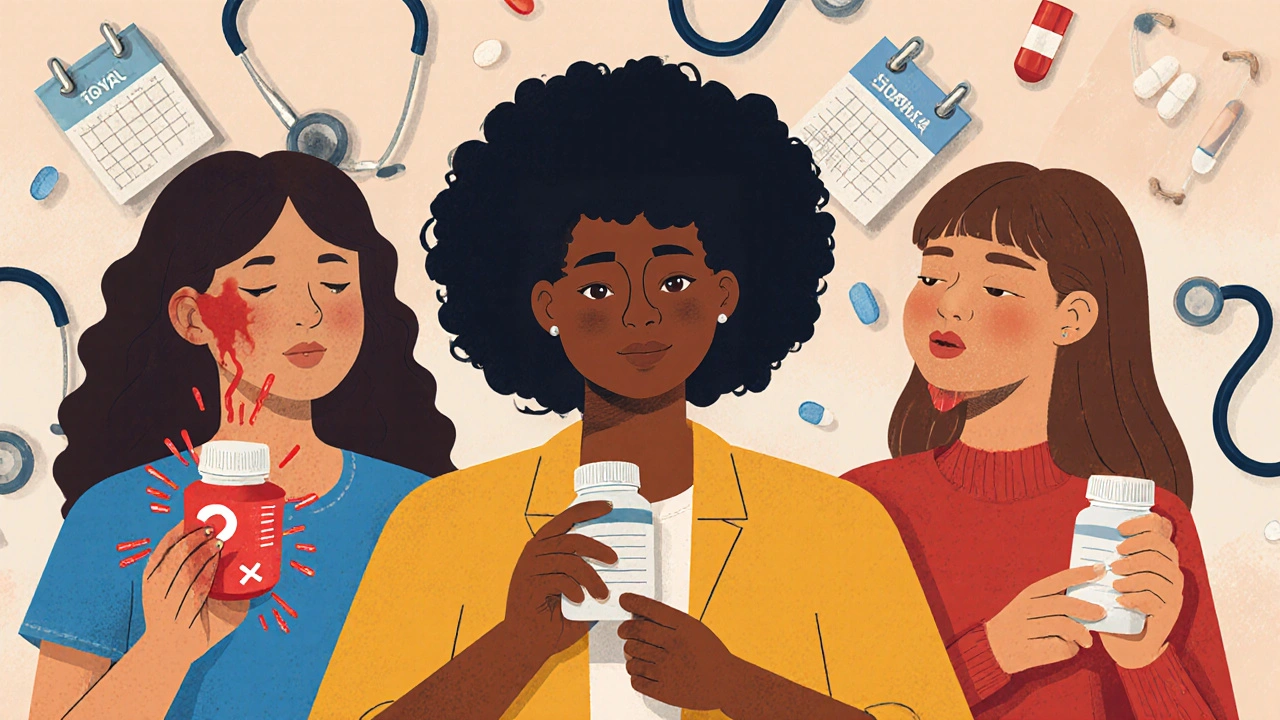
Learn the early warning signs of dangerous medication side effects that can turn life-threatening within hours. Know when to act fast and how to protect yourself from hidden drug reactions.
Read more