
When you take a drug risk, any potential harm caused by a medication that isn’t always obvious or predictable. Also known as medication danger, it’s not just about rare allergic reactions—it’s about how common drugs quietly mess with your body’s balance. A simple antacid might cut your antibiotic’s effectiveness by 90%. A painkiller like tramadol could trigger seizures in someone with epilepsy, even at normal doses. These aren’t edge cases. They’re everyday dangers hiding in plain sight.
Drug risks don’t show up in ads. They show up in hospital rooms, in missed doses, in forgotten labels, and in patients who didn’t know their blood pressure pill could worsen liver damage. Take drug interactions, when two or more medications interfere with each other’s function. Antacids and antibiotics like ciprofloxacin or tetracycline? They lock together in your gut and cancel each other out. Clopidogrel and stomach bleeding? That’s not a coincidence—it’s a known, documented danger. Even something as simple as when you take your statin matters less than whether you take it at all. Timing is rarely the issue. Consistency is.
Then there’s medication safety, the practical steps patients take to avoid harm from their own prescriptions. For people with low vision or hearing loss, reading tiny labels or hearing pharmacy instructions isn’t just hard—it’s deadly. One wrong pill, one missed warning, and you’re in the ER. Sodium imbalances in kidney disease? They don’t come with warning signs until your brain starts to swell. Calcium levels dropping slowly over months? That’s how osteoporosis sneaks up on you. These aren’t accidents. They’re preventable failures.
Some drug risks are obvious—like bleeding from clopidogrel or seizures from tramadol. Others are hidden in plain sight: environmental damage from improper disposal, mood changes from diabetes meds, or memory effects from blood pressure drugs. The truth? Most drug risks aren’t about the drug itself. They’re about how it’s used, who’s using it, and whether anyone bothered to explain the real dangers.
What follows isn’t a list of scary stories. It’s a collection of real, practical guides written for people who’ve been burned by assumptions. You’ll find exactly what works to prevent errors, what to avoid mixing, and how to spot trouble before it hits. No fluff. No marketing. Just what you need to stay safe while taking the meds you can’t live without.
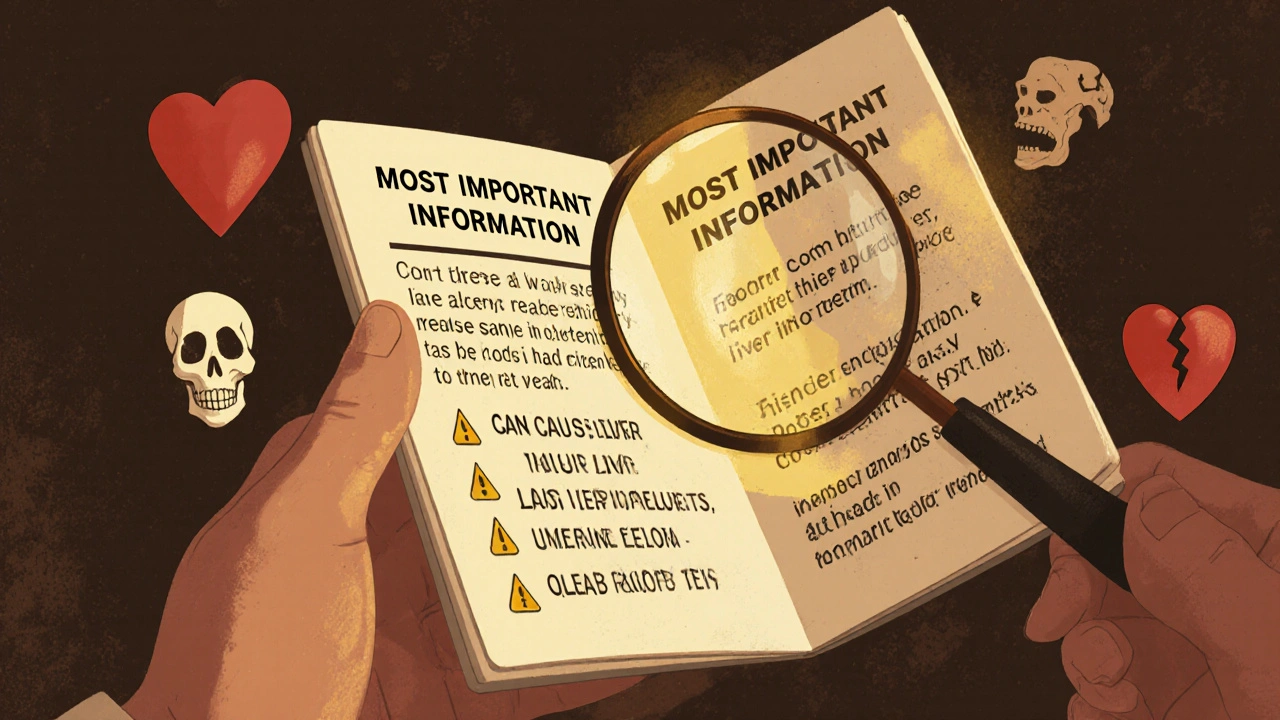
Learn how to read your medication guide to spot serious risks and monitoring requirements. Know what to look for, when to act, and how to stay safe with your prescription drugs.
Read more