
When someone takes too much of a benzodiazepine—like Valium, Xanax, or Ativan—their breathing can slow to dangerous levels. That’s where flumazenil, a GABA receptor antagonist used to reverse the effects of benzodiazepines in overdose situations. Also known as Anexate, it acts fast, often waking up someone who’s dangerously sedated within minutes. It’s not a cure-all, but in emergency rooms and intensive care units, it’s one of the few tools that can quickly undo the deep sedation caused by these common drugs.
Flumazenil works by blocking benzodiazepines from attaching to GABA receptors in the brain. These receptors are what make benzodiazepines calm you down—or in high doses, knock you out. By stepping in and taking over those receptor spots, flumazenil pushes the overdose drug out and lets the brain snap back to normal function. But it’s not simple: if someone is dependent on benzodiazepines, giving flumazenil too fast can trigger seizures. That’s why doctors don’t use it lightly. It’s also useless against overdoses from other drugs like opioids or alcohol, which means it’s only part of the picture in mixed overdoses.
Flumazenil is often used alongside other emergency tools. For example, if someone took Xanax with alcohol, flumazenil might help with the sedation, but they’ll still need airway support and monitoring. It’s also used after surgery when patients are slow to wake up from anesthesia that included a benzodiazepine. In these cases, it’s not about overdose—it’s about getting people back to full alertness faster. But here’s the catch: it doesn’t last long. Its effects wear off in 30 to 60 minutes, and if the benzodiazepine is still in the system, the sedation can come back. That’s why patients need to be watched for hours after the dose.
There are no home remedies or OTC alternatives to flumazenil. It’s strictly a hospital or clinic drug, given by IV under medical supervision. You won’t find it in pharmacies for personal use. Even in clinics that treat addiction, it’s reserved for acute cases—not routine detox. And while it’s life-saving in overdose, it’s not a magic bullet. People with seizure disorders or those on long-term benzodiazepines for anxiety or insomnia face higher risks if flumazenil is used without careful planning.
What you’ll find in the posts below are real-world stories and clinical insights tied to flumazenil’s use. You’ll see how it fits into broader medication safety, how it interacts with other drugs like antidepressants or painkillers, and why timing matters more than you think. Some posts dive into how sedatives affect the brain, others into how emergency teams decide when to use flumazenil and when to hold off. There’s no fluff—just what you need to know if you’re a patient, caregiver, or just someone trying to understand how these drugs really work.
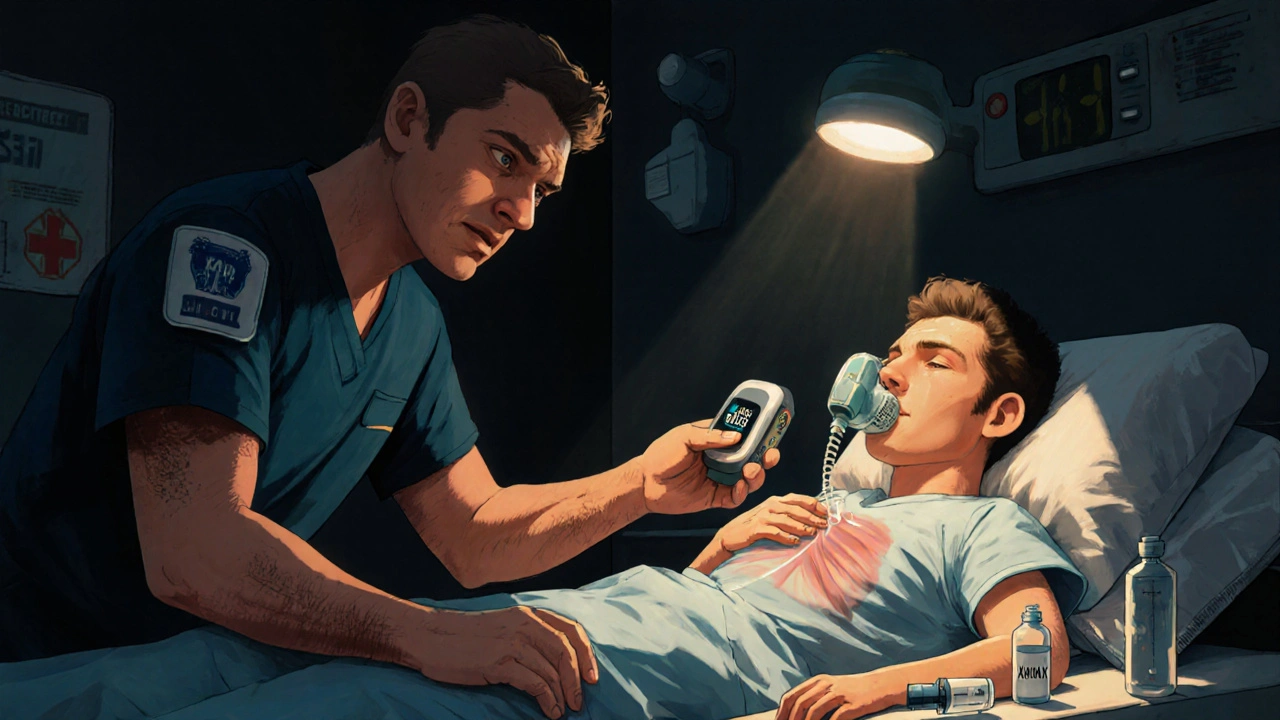
Benzodiazepine overdose rarely kills alone-but when mixed with opioids or alcohol, it becomes deadly. Learn the emergency protocols, why flumazenil is rarely used, and how to safely monitor patients for full recovery.
Read more