
When your hearing starts to fade, it’s not just about missing a joke or turning up the TV. Hearing loss, a gradual or sudden decline in the ability to detect sound. Also known as sensorineural or conductive hearing impairment, it’s one of the most common chronic conditions in adults—and often ignored until it’s too late. Unlike a broken bone that heals, damaged inner ear cells don’t grow back. Once they’re gone, the only fix is amplification—earbuds, hearing aids, or implants. But the real question isn’t just how to hear better. It’s how to stop it from getting worse in the first place.
Many people don’t realize that ototoxic drugs, medications that damage hearing or balance. Also known as ear-poisoning drugs, they include common painkillers, antibiotics, and even some blood pressure pills. Tramadol, for example, doesn’t just raise seizure risk—it can also affect your ears. Some antibiotics like vancomycin or certain diuretics used for heart or kidney issues can silently eat away at your hearing over weeks or months. If you’re on long-term meds and notice ringing in your ears or trouble following conversations in noise, it’s not just aging. It could be a side effect you didn’t know to watch for.
Then there’s noise-induced hearing loss, permanent damage from loud sounds over time. Also known as acoustic trauma, it’s not just about concerts or construction sites. Think headphones on high for hours, lawnmowers without ear protection, even noisy kitchens or gyms. This kind of damage builds up slowly. You don’t wake up deaf—you just stop noticing how often you say "what?"
And let’s not forget tinnitus, the persistent ringing, buzzing, or hissing sound with no external source. Also known as ringing in the ears, it often comes hand-in-hand with hearing loss. It’s not a disease, but a symptom. And it’s more common than you think—nearly 15% of adults deal with it daily. Some of the posts here dig into how certain medications trigger it, how stress makes it worse, and what actually helps (spoiler: silence isn’t the answer).
Age-related hearing loss, or presbycusis, is real—but it’s not inevitable. Genetics play a role, but so do lifestyle choices. High blood pressure, diabetes, smoking, even poor circulation—all these cut off the tiny blood vessels that feed your inner ear. If you’re managing kidney disease or taking statins, your hearing is part of the bigger picture. You can’t fix hearing loss with supplements, but you can slow it down by protecting your ears, monitoring your meds, and staying aware.
What you’ll find below isn’t a list of miracle cures. It’s a collection of real, practical insights from people who’ve been there. You’ll see how antibiotics interact with ear health, why some blood pressure drugs affect balance, and how simple habits can protect your hearing for years. No fluff. No hype. Just what works—and what doesn’t.
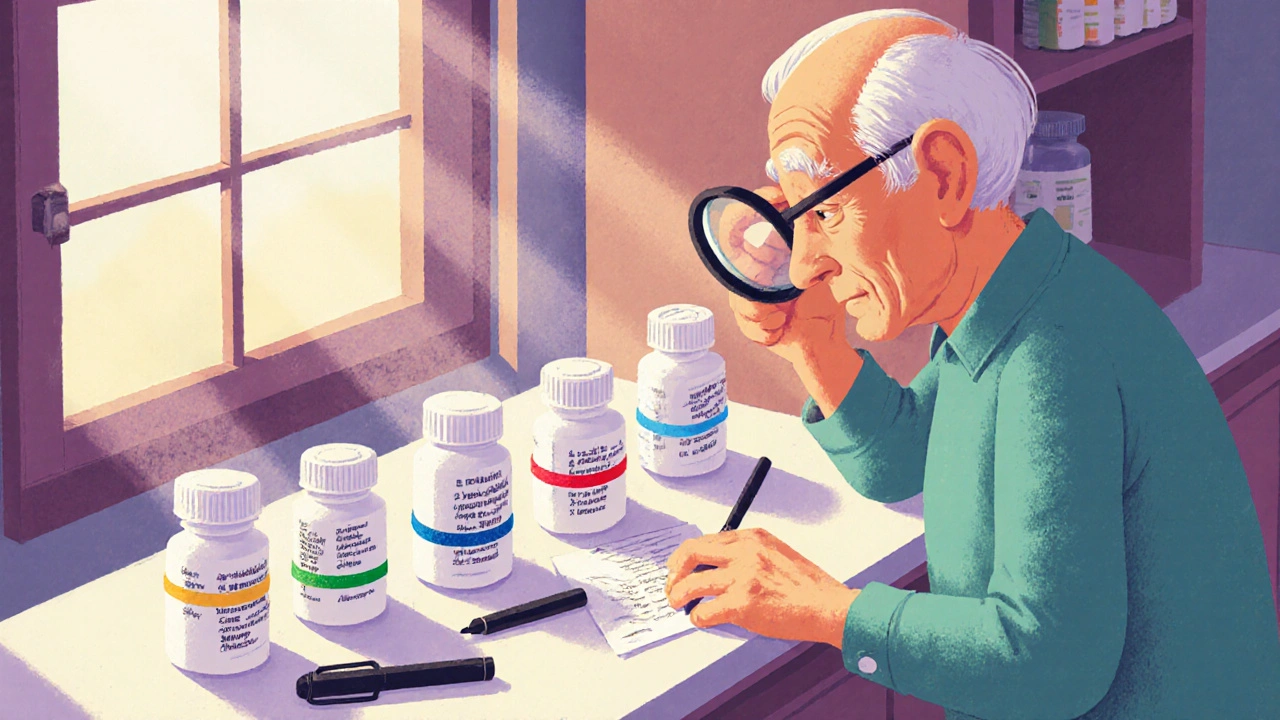
Medication errors are dangerously common for people with low vision or hearing loss. Learn practical, proven strategies to identify pills, read labels, and avoid life-threatening mistakes with simple tools and smart advocacy.
Read more