
When it comes to giving medicine to children, pediatric drug guidelines, official recommendations for safe and effective medication use in children under 18. Also known as child-specific dosing protocols, these rules exist because kids aren’t just small adults—their bodies process drugs differently, and even small mistakes can lead to serious harm. A child’s weight, age, liver function, and even the time of day can change how a drug works. That’s why a pill that’s perfectly safe for a 150-pound teen could be dangerous for a 30-pound toddler.
One of the biggest risks? pediatric dosing, the precise amount of medicine calculated for a child’s size and condition. Also known as weight-based dosing, it’s often measured in milligrams per kilogram—and getting it wrong by just a little can cause overdose or treatment failure. Many parents rely on kitchen spoons or guesswork, but a teaspoon isn’t always 5 mL, and a dropper can vary by brand. drug interactions in kids, when two or more medications react in harmful ways in a child’s body. Also known as pediatric drug conflicts, they’re especially tricky because kids often take multiple meds—for fever, allergies, asthma, or infections—and those combinations aren’t always tested in children. For example, giving an antacid with certain antibiotics can slash absorption by 90%, leaving the infection untreated. Or mixing common pain relievers with cough syrups can accidentally double the dose of acetaminophen, risking liver damage.
These aren’t theoretical risks. Hospitals track thousands of pediatric medication errors every year, and most happen at home. That’s why the best pediatric drug guidelines aren’t just for doctors—they’re for parents, grandparents, and caregivers who need clear, simple rules. You don’t need a medical degree to use them. You just need to know how to read the label, check the weight, and ask the right questions: Is this the right dose? Could this interact with what my child is already taking? Is there a safer alternative?
The posts below cover real-world tools and mistakes to avoid. You’ll find how to build a shared medication calendar so everyone in the family is on the same page, how to spot look-alike pills that cause mix-ups, and how to use reminder apps so no dose gets missed. There’s also advice on reading medication guides to find hidden warnings, how to manage meds for kids with low vision or hearing loss, and what to do when antibiotics and other drugs don’t play nice together. These aren’t theory-heavy guides—they’re practical, step-by-step fixes used by real families and caregivers.
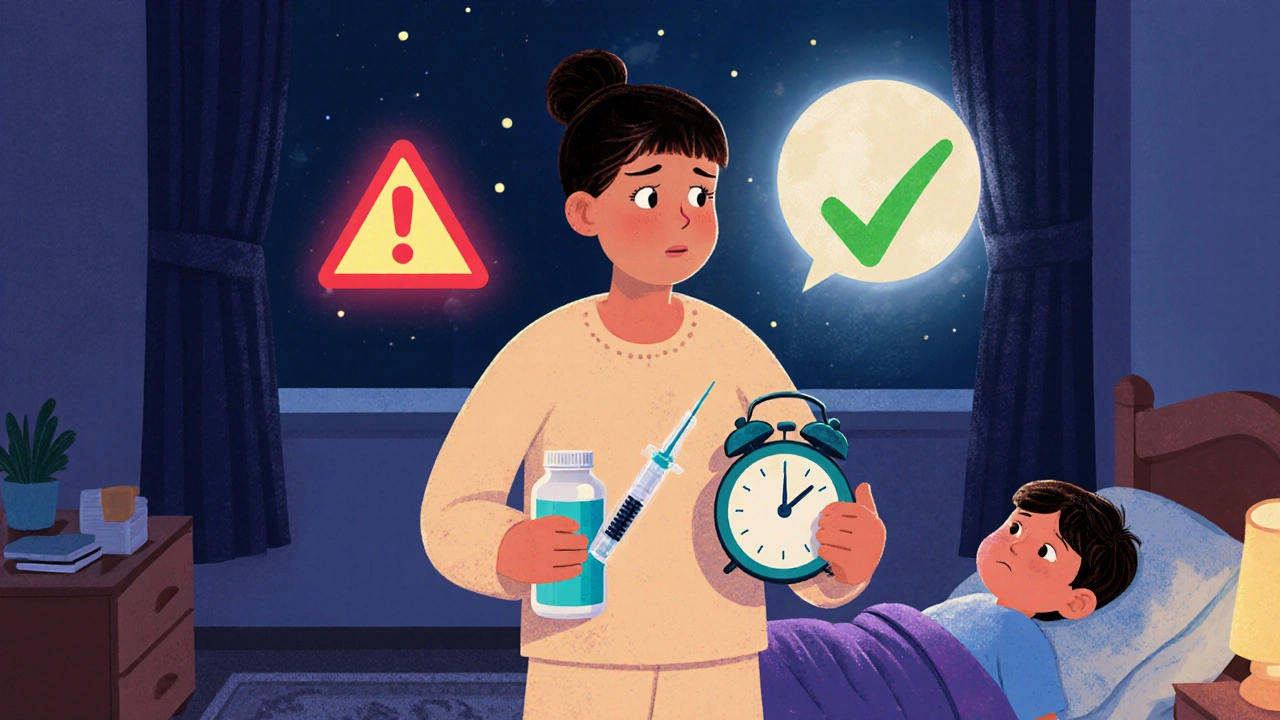
Learn the safe, science-backed steps to handle missed pediatric medication doses without risking overdose. Follow time-based rules, avoid doubling doses, and use tools like oral syringes and apps to prevent errors.
Read more