
When your breathing slows down too much, it’s called respiratory depression, a life-threatening condition where the body doesn’t take in enough oxygen or push out enough carbon dioxide. Also known as hypoventilation, it doesn’t always feel like a crisis until it’s too late. This isn’t just about drug overdoses—it can happen to someone taking prescribed painkillers, sleep aids, or even anxiety meds if they’re mixed wrong or taken too long.
Most cases tie back to opioids, a class of drugs used for pain relief that directly slow down the brain’s drive to breathe. Medications like oxycodone, morphine, and tramadol are common culprits. But it’s not just opioids. benzodiazepines, like diazepam or alprazolam, used for anxiety or insomnia, can make it worse when paired with opioids. Even some muscle relaxants and sleep pills—when combined—can push breathing to dangerous levels. The risk jumps sharply if you’re older, have lung disease, or take more than one drug that affects your central nervous system.
What makes respiratory depression scary is how quiet it is. You won’t always feel like you’re suffocating. Instead, you might just feel unusually sleepy, confused, or notice your breathing is shallower than usual. Loved ones might spot it first—slow, irregular breaths, blue lips, or someone who can’t be woken up easily. That’s why knowing your meds and watching for signs matters more than ever. Many of the posts here focus on how drugs interact, what side effects to track, and how to avoid hidden dangers. You’ll find real-world advice on spotting early warning signs, understanding medication guides, and safely managing prescriptions that affect your breathing.
It’s not just about avoiding overdoses. Even people taking meds exactly as prescribed can be at risk if they’re on multiple drugs or have other health conditions. That’s why reading your medication guide isn’t optional—it’s a survival step. And if you’re caring for someone on pain meds or sedatives, knowing what to watch for could save their life. Below, you’ll find practical guides on medication safety, drug interactions, and how to recognize trouble before it becomes an emergency. No fluff. Just what you need to stay safe.
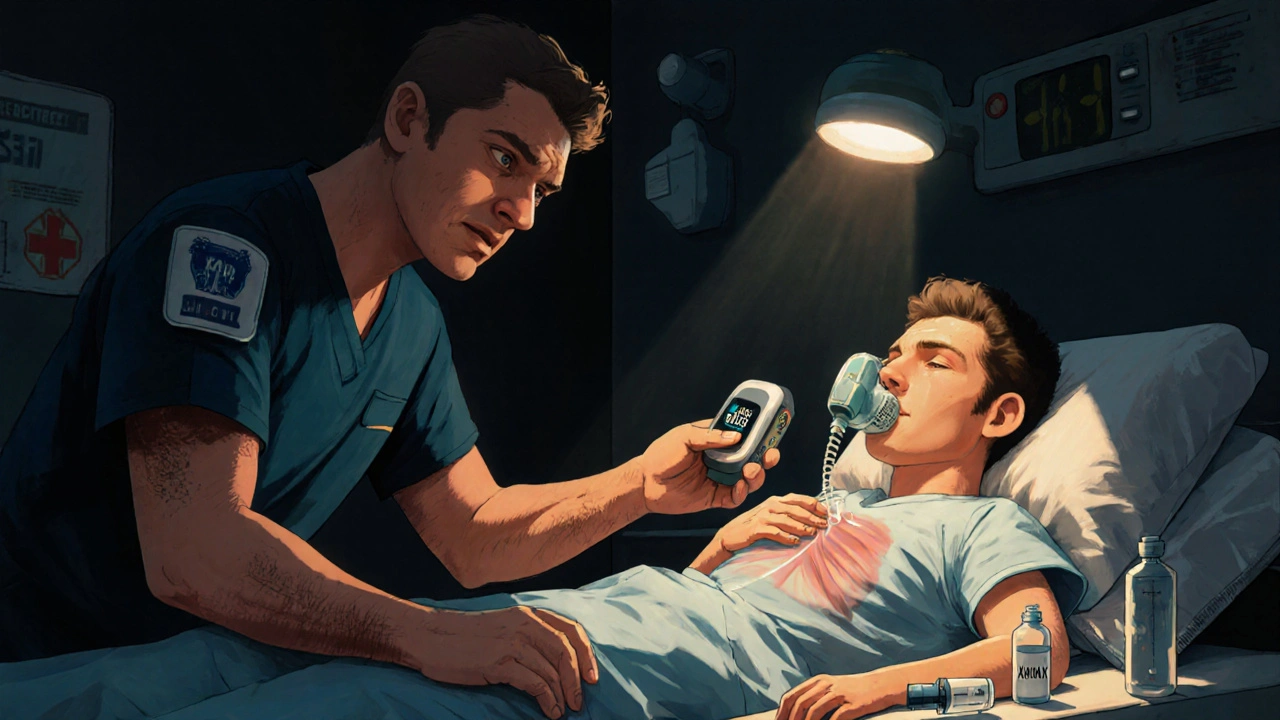
Benzodiazepine overdose rarely kills alone-but when mixed with opioids or alcohol, it becomes deadly. Learn the emergency protocols, why flumazenil is rarely used, and how to safely monitor patients for full recovery.
Read more