
When managing multiple medications, a shared medication calendar, a coordinated system for tracking when and how to take drugs across multiple people or care settings. Also known as a medication schedule tracker, it’s not just a checklist—it’s a safety net that prevents missed doses, dangerous overlaps, and costly hospital visits. Many people think remembering pills is just about setting alarms, but the real challenge is coordination. What if your parent takes blood pressure meds at 8 a.m. and your spouse forgets to refill their antibiotic? What if your doctor changes a dose and no one tells the caregiver? A shared medication calendar fixes that.
It’s not just for seniors. Families managing chronic conditions like diabetes, epilepsy, or heart failure rely on these systems daily. Tools like pill organizers, physical or digital compartments that sort pills by time of day and medication reminder apps, digital platforms that send alerts and sync across devices for caregivers and patients are part of the puzzle. But the real power comes from combining them with clear communication. A shared calendar means everyone—family members, nurses, pharmacists—sees the same schedule. No more guessing if the statin was taken yesterday. No more double-dosing because two people thought someone else handled it.
Some people try paper charts. Others use phone alarms. But without a central, updated system, errors creep in. A 2022 study found that over 40% of medication errors in home care happened because of miscommunication about timing or dosage. A shared calendar cuts that risk by making the plan visible and editable by all authorized users. It’s not about tech—it’s about clarity. You don’t need an app that costs $20 a month. You need something simple: a printed chart taped to the fridge, a shared Google Calendar, or even a text thread where someone checks off each dose.
And it’s not just about taking pills. It’s about catching problems early. If someone skips a dose of warfarin, the calendar flags it. If antibiotics clash with antacids, the shared log shows the timing conflict. It connects to bigger safety tools like medication guides, official documents that list risks and monitoring needs for each drug and auto-refill alerts, systems that notify you when prescriptions are running low. Together, they turn passive memory into active control.
What you’ll find below are real, tested ways to build and use a shared medication calendar that fits your life. Whether you’re helping an aging parent, managing your own complex regimen, or coordinating care for someone with low vision or hearing loss, there’s a method here that works. No fluff. No theory. Just what actually helps people stay on track, avoid mistakes, and feel less stressed about their meds.
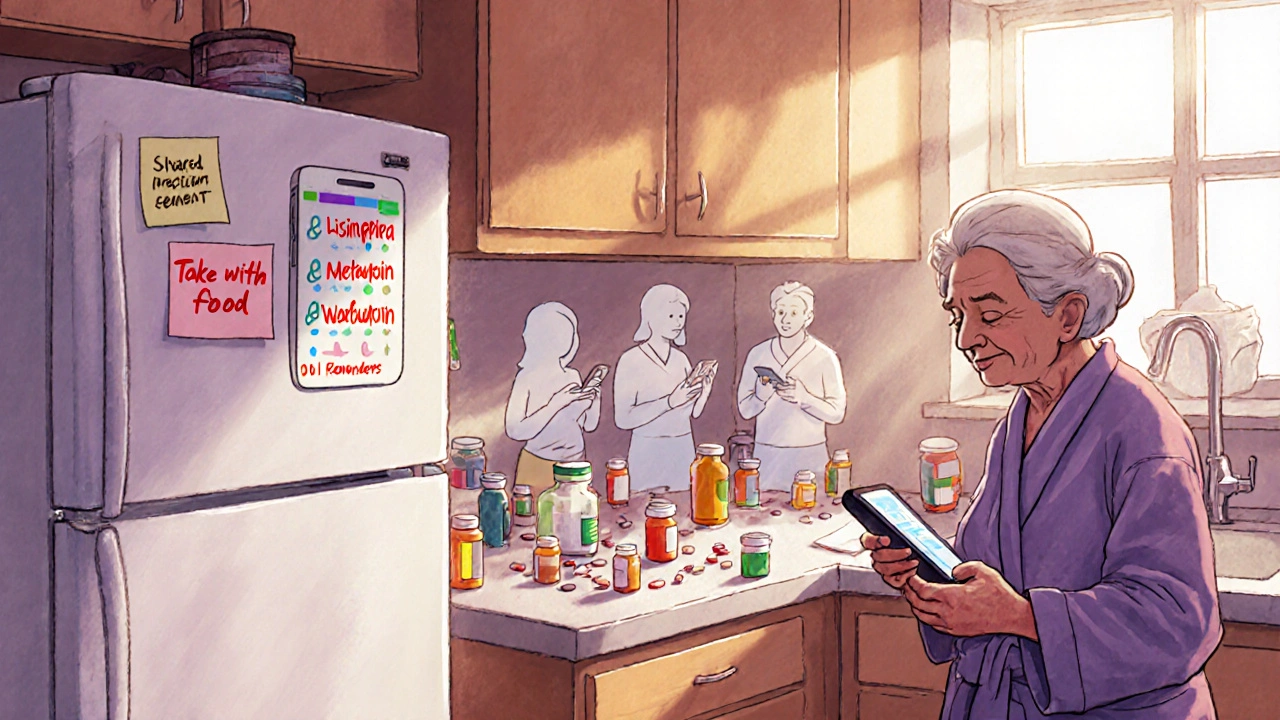
Learn how to build a shared medication calendar that helps families and caregivers track doses, prevent errors, and reduce burnout. Includes app comparisons, setup steps, and real-world tips.
Read more