
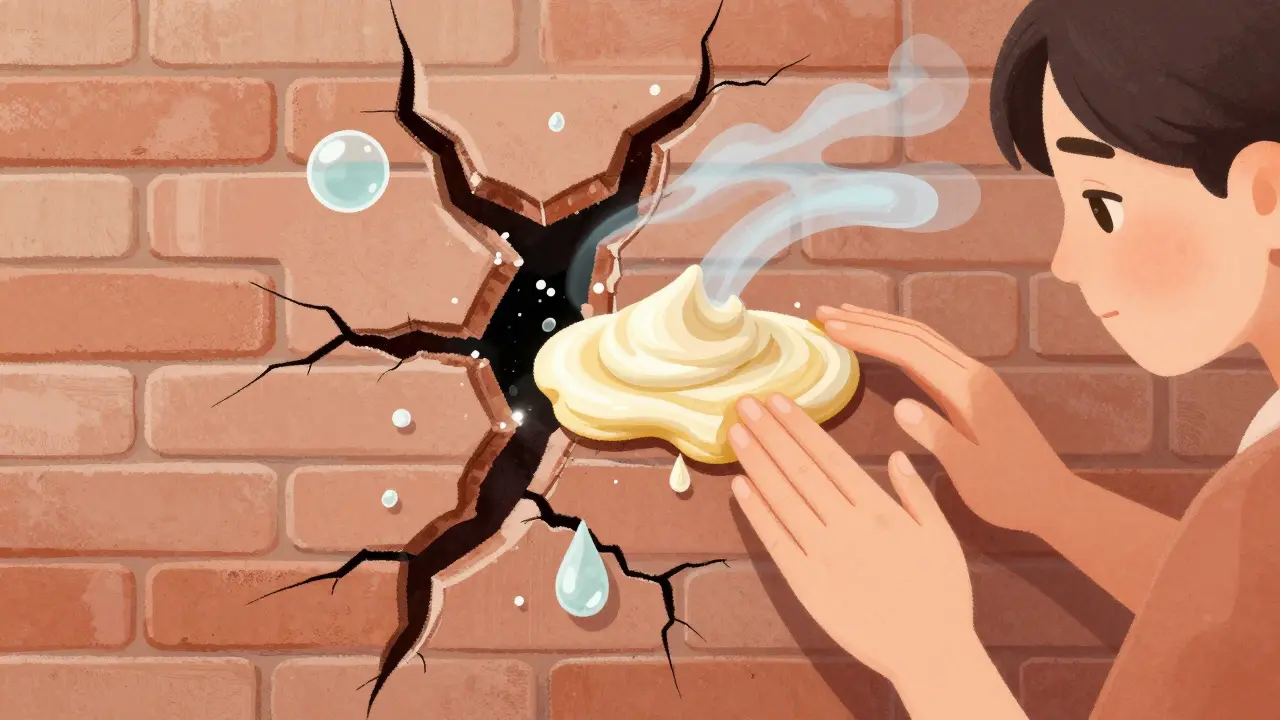
Atopic dermatitis isn’t just dry skin. It’s a stubborn, itchy, red rash that comes back again and again-often when you least expect it. If you’ve lived with it, you know the frustration: scratching at night, clothes sticking to raw patches, and the constant worry that your next shower might trigger a flare. The truth? It’s not your fault. It’s not poor hygiene. It’s a broken skin barrier and an overactive immune system working against you. And the most powerful tool you have isn’t a steroid cream-it’s something far simpler: emollient therapy.
What Really Triggers an Atopic Dermatitis Flare?
Flares don’t happen randomly. They’re triggered by things you touch, breathe, or feel every day. The biggest culprits? Temperature swings and harsh chemicals.Cold, dry air-especially in winter when indoor humidity drops below 40%-can spike flare risk by 37%. That’s not a guess. It’s data from the Mayo Clinic. On the flip side, heat above 80°F (27°C) causes sweat to sit on your skin, irritating it and making itching worse. Sixty-eight percent of people with eczema say heat is a major trigger.
Then there’s what you wash with. Sodium lauryl sulfate, found in most soaps and shampoos, can wreck your skin barrier at concentrations as low as 0.5%. Fragrances? They’re a silent saboteur. Fifteen percent of people with atopic dermatitis have flares just from perfume-even if it’s labeled “natural.”
Even your laundry detergent can be a problem. Residue left on clothes from fabric softeners or detergents with dyes can cause contact irritation. Some people don’t realize their rash isn’t from the air or stress-it’s from their favorite body wash.
Stress and sleep loss don’t directly cause flares, but they weaken your skin’s ability to recover. When you’re tired or anxious, your immune system goes into overdrive, making inflammation worse. And scratching? That’s the real cycle killer. The itch leads to scratch, which damages the barrier, which causes more itch. It’s a loop that’s hard to break without the right tools.
Why Emollients Are the Foundation of Treatment
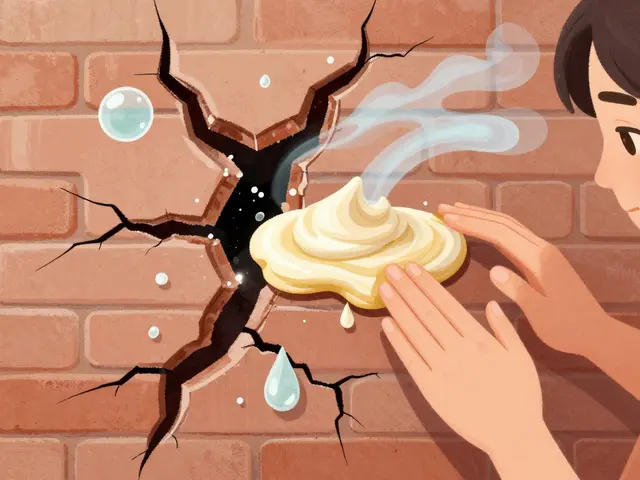
Think of your skin like a brick wall. In healthy skin, the bricks (skin cells) are held together by mortar (lipids like ceramides). In atopic dermatitis, the mortar is crumbling. Water escapes. Irritants get in. That’s what causes dryness, itching, and inflammation.Emollients aren’t just moisturizers. They’re barrier repair agents. They work in three ways:
- Occlusives (like petrolatum) seal in moisture. Petrolatum is 98% effective at reducing water loss.
- Humectants (like glycerin) pull water into the skin. The sweet spot? 40-50% concentration.
- Emollients (like ceramides) replace the missing mortar. Even 0.5-3% ceramides can rebuild the barrier over time.
Studies show emollients cut transepidermal water loss (TEWL)-a measure of skin barrier damage-by 25-50%. That’s not a minor improvement. That’s the difference between constant flares and manageable symptoms.
The American Academy of Dermatology calls emollients the #1 first-line treatment. Why? Because they’re safe. Only 2.3% of users report side effects, compared to 15-20% with steroid creams. And unlike steroids, you can use them every day, all year long.
How to Apply Emollients Correctly (The Soak and Seal Method)
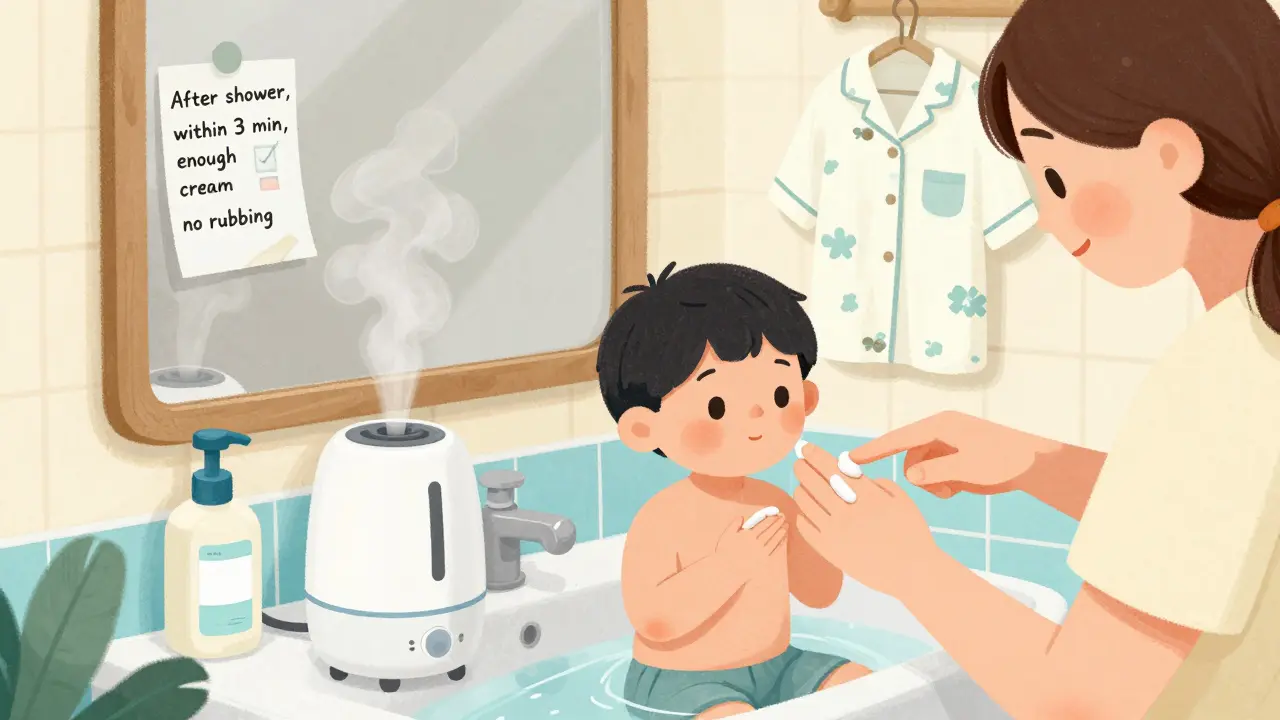
Applying emollient wrong is like putting a bandage on a broken bone-it won’t help. The key is timing and technique.After a lukewarm bath (no hotter than 98°F, no longer than 15 minutes), pat your skin dry-don’t rub. Within three minutes, apply your emollient. Why? That’s when your skin is still holding onto 50% more water. Miss that window, and you’re wasting product.
Use the “finger unit” method: one finger-length of cream from the tube equals the amount needed for two adult hands. For the whole body, adults need 250-500 grams per week. That’s about one large tub every 2-4 weeks. Kids need even more-up to 1,000 grams weekly.
Apply in downward strokes, following hair growth. Never rub in circles. That can irritate the skin. And use enough. Most people apply too little. A 2020 study found patients who used over 100 grams per week had 43% fewer flares than those using less than 50 grams.
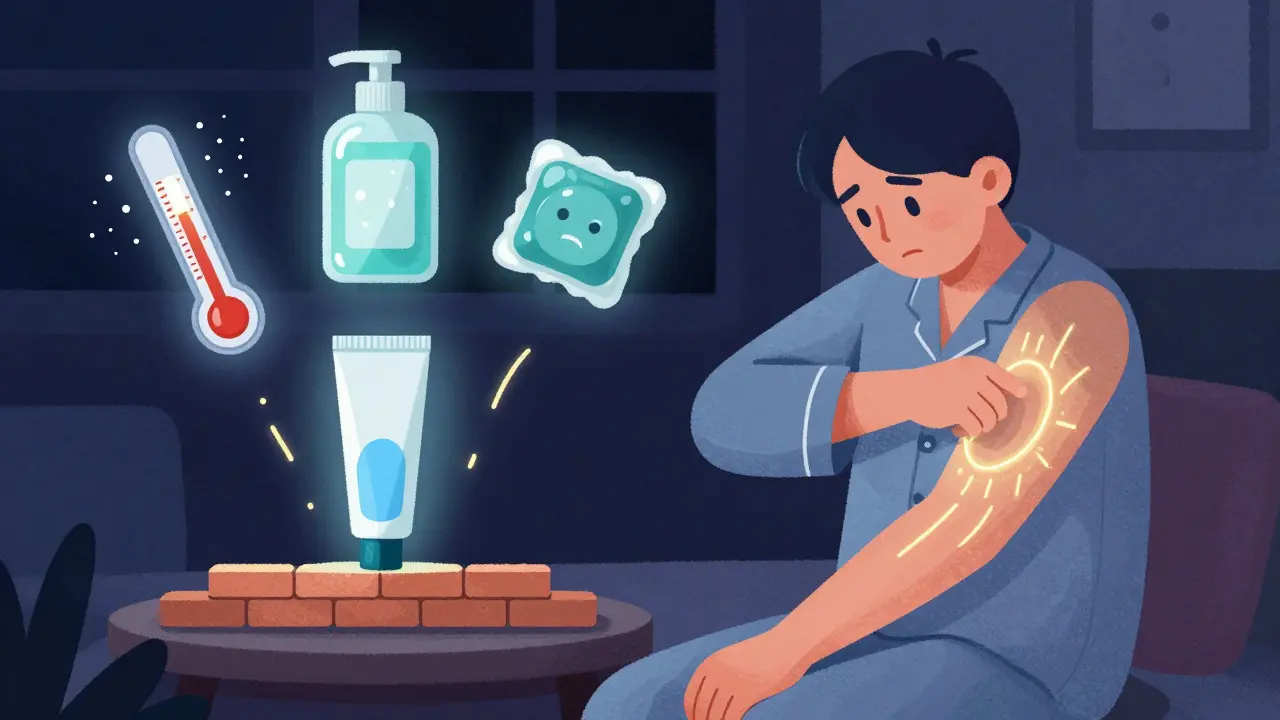
Choosing the Right Emollient: What Works and What Doesn’t
Not all emollients are created equal. The best ones are simple: fragrance-free, dye-free, and low in preservatives.Here’s what real users report:
- Petrolatum (Vaseline): 63% of Reddit users with severe eczema say it’s their go-to. It’s cheap, effective, and lasts forever. Downside? It’s greasy.
- CeraVe: Contains ceramides and cholesterol. 68% satisfaction in patient surveys. Less greasy than petrolatum, works well for daily use.
- Eucerin: Good for mild cases. 52% satisfaction. Some users report sticky residue, especially with urea-based versions.
- Preservative alerts: Methylisothiazolinone and parabens can cause contact dermatitis in 5-7% of users. Always check the ingredient list.
Cost matters. A tube of CeraVe costs around $12. Petrolatum is $4. If you’re using 250-500g a week, that’s $20-$40 a month. Prescription emollients may be covered by insurance in the UK-78% of patients get them prescribed, compared to just 42% in the US.
Don’t fall for marketing. “Medical-grade,” “dermatologist-recommended,” and “hypoallergenic” aren’t regulated terms. Look for the ingredients, not the label.
When Emollients Alone Aren’t Enough
Emollients are the foundation-but they’re not a cure. In mild cases, they clear flares in 30-40% of people. In moderate to severe cases? That number drops to 10-15%.If your skin isn’t improving after 4-6 weeks of consistent use, you likely need more. Topical steroids are the next step. They reduce inflammation fast. But they’re not for long-term daily use on thin skin (like the face or groin). That’s where calcineurin inhibitors like tacrolimus come in-safe for sensitive areas.
For severe, persistent cases, biologics like dupilumab can cut flares by 70-80%. But they’re injectable, expensive, and require a specialist. Emollients are still needed alongside them. As Dr. Eric Simpson says, “Without consistent barrier repair, no other treatment can be fully effective.”
Even new treatments like microbiome-targeted emollients (currently in trials) still rely on the same principle: fix the barrier. The future of eczema care isn’t about replacing emollients-it’s about enhancing them.
Why People Stop Using Emollients (And How to Stick With It)
The biggest problem with emollient therapy? People quit.Thirty percent stop within six months. Why? Greasiness. Time. Cost. The sticky feeling after applying urea-based creams. The hassle of carrying a tub everywhere. The fact that results aren’t instant.
But here’s what works for those who stick with it:
- Keep emollient in every room-bathroom, bedroom, kitchen.
- Use a pump bottle for easy access.
- Apply right after every hand wash, diaper change, or shower.
- Use a humidifier in winter.
- Wear cotton clothing and wash with fragrance-free detergent.
It’s not about perfection. It’s about consistency. Even applying once a day is better than skipping for days. And remember: every application is repairing your skin. You’re not just moisturizing-you’re healing.
What’s New in 2025?
The field is moving fast. In May 2023, the FDA approved the first emollient with sustained-release ceramides (Ceramella MD). It reduces water loss by 63% for 12 hours-twice as long as standard products.Smart dispensers are being tested in hospitals. They track how much you use and send reminders to your phone. In the UK, the National Eczema Society updated its guidelines in 2024, recommending at least 200g per week for adults-up from 100g.
And researchers are now looking at personalized emollients based on your skin’s microbiome. If you have too much Staphylococcus aureus (common in severe eczema), future creams might include antibacterial agents built in.
But none of this changes the core truth: if you have atopic dermatitis, emollient therapy isn’t optional. It’s the first, last, and most important thing you do every day.
Can emollients cure atopic dermatitis?
No, emollients don’t cure atopic dermatitis. They manage it by repairing the skin barrier, reducing water loss, and preventing flares. Think of them like braces for your skin-they don’t fix the underlying genetics, but they help your skin function properly. For long-term control, emollients are essential, even when other treatments are used.
How often should I apply emollient?
Apply at least twice a day-morning and night. After bathing, within three minutes, is critical. If your skin feels dry or itchy during the day, apply more. People who use over 100g per week have significantly fewer flares than those who use less.
Are all moisturizers the same as emollients?
No. Most drugstore moisturizers are designed for normal skin and contain fragrances, alcohol, or dyes that can irritate eczema-prone skin. True emollients for atopic dermatitis are fragrance-free, preservative-minimized, and contain barrier-repairing ingredients like ceramides, cholesterol, and fatty acids. Look for products labeled for eczema or sensitive skin.
Why does my skin feel greasy after applying emollient?
That’s normal with petrolatum and thicker creams. It means they’re working-forming a protective seal. If the greasiness bothers you, try lighter emollients like CeraVe or Aveeno Eczema Therapy, which absorb faster. You can also apply a thin layer at night and a lighter one during the day.
Can I use emollients on my face?
Yes, but choose a formula designed for the face. The skin there is thinner and more sensitive. Avoid thick petrolatum-based products unless your dermatologist recommends them. Look for facial emollients with ceramides and no fragrances. Apply gently-don’t rub.
Do I need a prescription for emollients?
No, most emollients are available over the counter. But in the UK, doctors often prescribe them, and they may be free or low-cost through the NHS. In the US, prescriptions aren’t common, but insurance may cover certain medical-grade products if your doctor recommends them. Always ask your dermatologist what’s covered.




13 Comments
Gray Dedoiko December 25, 2025
Finally someone gets it. I used to think I was just bad at moisturizing until I learned about the soak and seal method. Now I keep a tub in every room and honestly? My skin hasn't been this calm in years.
Paula Villete December 25, 2025
Emollients aren't magic, but they're the closest thing we've got. I used to spend $200 a month on 'eczema creams' with fancy names-turns out Vaseline and a 15-minute lukewarm shower did more than all of them combined. Also, stop using lavender-scented stuff. It's not 'natural,' it's a chemical trap.
Aurora Daisy December 27, 2025
Oh wow, a post that doesn't blame stress or gluten. Revolutionary. Next they'll tell us the sun doesn't cause cancer and water isn't wet. At least someone here isn't selling a $90 jar of 'ceramide-infused unicorn tears.'
Also, I'm British and we've known this since 1997. Why is this even news in the US?
Georgia Brach December 28, 2025
Let’s be real: emollients don’t work for most people. The data here is cherry-picked. I’ve used CeraVe daily for 3 years. My flares got worse. The barrier theory is outdated. It’s not about lipids-it’s about gut dysbiosis, mold exposure, and glyphosate. No one wants to talk about that because Big Pharma doesn’t profit from it.
Also, 0.5% ceramides? That’s a placebo dose. Real treatment requires 10% minimum. This is wellness theater.
Katie Taylor December 28, 2025
I used to think I was broken. Then I started applying emollient right after every shower-no exceptions. Within 2 weeks, I stopped scratching in my sleep. My dermatologist said I was ‘non-compliant.’ I said I was just doing what actually works. If you’re still using steroid creams as your first line, you’re doing it wrong. Fix the barrier first. Always.
Charles Barry December 30, 2025
They’re lying. The real reason emollients work? They’re hiding the fact that eczema is caused by 5G radiation and fluoridated water. The FDA approved Ceramella MD? That’s just a distraction so we don’t ask why the same companies making these creams also make the detergents that cause the flares.
My cousin in Belfast stopped using soap entirely and now his skin is flawless. He drinks distilled water and sleeps in a Faraday cage. You think that’s crazy? You’re just too brainwashed to see the truth.
Rosemary O'Shea December 30, 2025
How quaint. You’ve discovered that skin needs moisture. How original. In Paris, we’ve known since the 18th century that lanolin-based balms outperform any modern 'ceramide-enriched' nonsense. And please, don’t tell me about Vaseline. That’s the product of an industrial empire built on petroleum. Truly, the American aesthetic is one of crude efficiency, not elegance.
I use a bespoke balm from Grasse, hand-blended by a 7th-generation apothecary. It costs €420. But then again, you wouldn’t understand refinement.
Joe Jeter January 1, 2026
Everyone’s acting like this is some big revelation. I’ve been using petrolatum since I was 12. No one told me to apply it within 3 minutes of a shower. I just slapped it on whenever I remembered. And guess what? I’m fine.
Also, why is everyone obsessed with ceramides? I’ve got a jar of plain Aquaphor that’s been open since 2019. Still works. Maybe the problem isn’t the skin-it’s the internet.
Ademola Madehin January 2, 2026
YOOOOO I JUST REALIZED MY DETERGENT WAS THE PROBLEM 😭 I switched to free & clear and my arms stopped bleeding. I’ve been using CeraVe for 2 years but I never thought to check my laundry. THIS CHANGED MY LIFE. I’M CRYING RIGHT NOW. THANK YOU.
Jeffrey Frye January 3, 2026
emolients? i think u mean emolients. but yeah i tried the soak n seal thing and it kinda worked? idk. i still scratch. maybe its the humidity. or my cat. or the fact that my landlord uses bleach. or maybe its just my dna. idk. i just want to stop itching.
also why is everyone so obsessed with ceramides? i use vaseline and im fine. its cheaper. and it dont smell like a candle shop.
Usha Sundar January 4, 2026
Apply within 3 minutes. That’s the only rule that matters.
Pankaj Chaudhary IPS January 5, 2026
As someone from India, where humidity and pollution are constant, I’ve seen how emollient therapy transforms lives-especially in rural areas where access to dermatologists is limited. The ‘soak and seal’ method is not just medical advice-it’s a lifeline. I’ve distributed CeraVe and petrolatum through community clinics, and the results speak louder than any study. Skin is not a luxury. It’s dignity.
And yes, the cost matters. In Mumbai, a ₹200 tube of CeraVe lasts a family of four for a month. That’s not expensive. That’s essential. We must stop treating eczema as a cosmetic issue. It’s a public health crisis.
Sidra Khan January 5, 2026
emollients are fine i guess 🤷♀️ but i still think it’s all just a scam to sell jars of grease. i mean, if you’re applying 500g a week, aren’t you just lubricating yourself like a robot? also, why do all these products look like they’re from a pharmacy in 1998? can we get one that doesn’t smell like a hospital basement? 🤢
also, i used to use Vaseline until i realized it stained my sheets. now i use a ‘lightweight’ one that still feels like i’m wearing a plastic bag. no thanks. i’ll just scratch.