
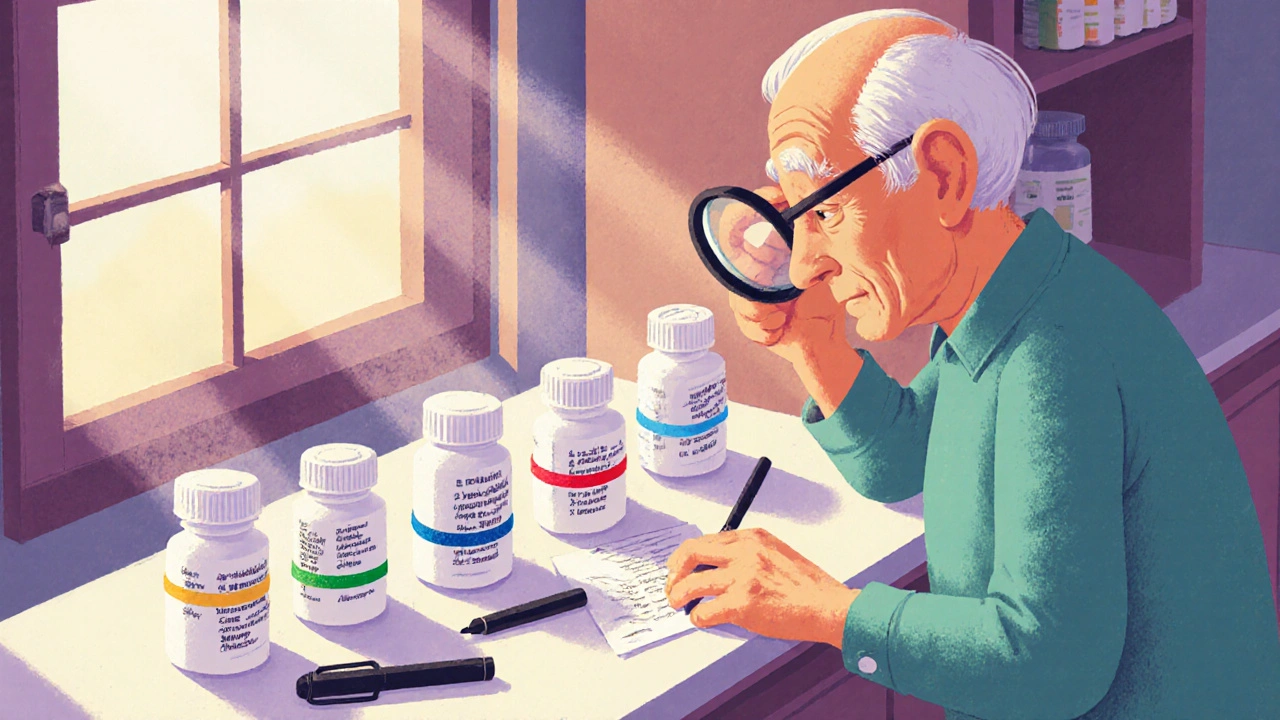
Medication errors are dangerously common for people with low vision or hearing loss. Learn practical, proven strategies to identify pills, read labels, and avoid life-threatening mistakes with simple tools and smart advocacy.
Read more
Learn how low blood calcium (hypocalcemia) can trigger bone loss and lead to osteoporosis, the signs to watch for, diagnostic steps, and practical ways to prevent fractures.
Read more
Explore how dabigatran is made, its carbon and water footprint, and why proper disposal matters for the environment.
Read more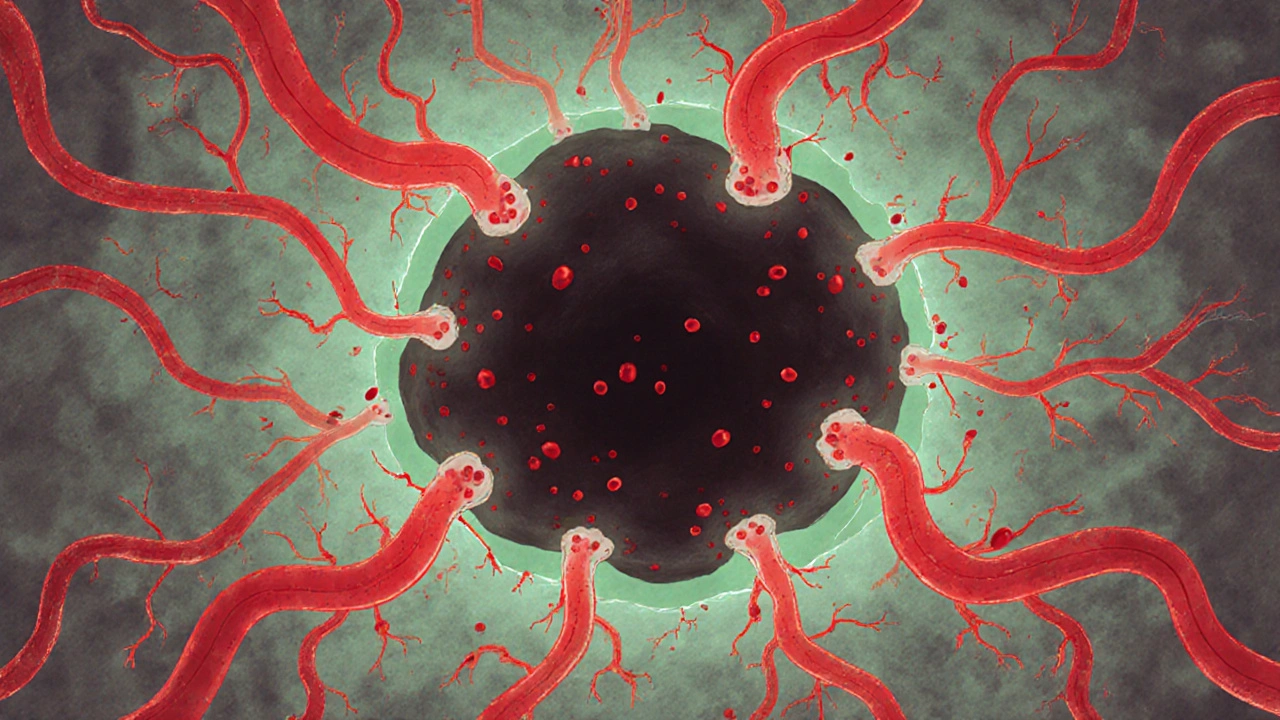
Explore how angiogenesis drives tumor growth, the key molecular players, and current anti‑angiogenic therapies. Learn practical insights for clinicians and researchers.
Read more
Learn what polyposis is, its genetic causes, symptoms, diagnosis, and treatment options. Get practical advice on surveillance, medication, surgery, and living with the condition.
Read more
Learn about enzyme deficiency disorders, their main types, symptoms, diagnosis, and management, plus practical tips for living with these metabolic conditions.
Read more
Explore how multiple sclerosis impacts cognition, the underlying mechanisms, symptoms, assessment tools, and effective management strategies.
Read more
Explore how fixed-dose combinations for type 2 diabetes compare to metformin alone. Understand HbA1c results, cost-effectiveness, and practical tips for smarter diabetes management.
Read more
Dig into how acetaminophen truly works beyond the basics. Learn the real science behind its central analgesic action, including COX inhibition in the brain and the fascinating way it interacts with serotonin pathways. Surprising facts, practical tips, and new insights all come together in this comprehensive article. Perfect for anyone who's ever wondered what actually happens when you pop a Tylenol for pain relief.
Read more
Support groups are vital in managing active secondary progressive disease by offering emotional support, shared experiences, and practical tips. They provide a sense of belonging and understanding for those navigating the challenges of this condition. Participation in these groups can improve mental well-being and offer new strategies for coping with symptoms. Building a network through support groups can also help individuals stay informed about new treatments and advice. Ultimately, they connect people to a community that truly gets what they're going through.
Read more