

Antidepressant Comparison Tool
Find Your Best Antidepressant Match
Based on your top concerns and priorities, we'll show which new antidepressants might work best for you. This tool is designed to help you have informed discussions with your healthcare provider.
What matters most to you?
For years, people taking antidepressants have faced a tough trade-off: get relief from depression, but at the cost of sexual problems, weight gain, or constant nausea. Many quit because the side effects felt worse than the symptoms they were trying to treat. But in 2025, that’s starting to change. A new wave of antidepressants is hitting the market - not just as alternatives, but as smarter options designed to work faster and cause fewer of the bothersome side effects that have haunted older drugs like SSRIs and SNRIs.
What’s Different About These New Drugs?
Traditional antidepressants like sertraline, fluoxetine, and escitalopram work by increasing serotonin levels in the brain. It takes weeks for them to kick in, and up to 70% of users report sexual side effects like low libido or trouble reaching orgasm. Weight gain is common too - about 1 in 10 people gain 10 pounds or more in six months.
The new generation doesn’t just tweak serotonin. It targets entirely different brain pathways. Some block NMDA receptors (like ketamine), others boost GABA activity through neurosteroids, and a few combine two drugs to get a dual effect. The result? Relief in days, not weeks. And for many, fewer of the classic side effects.
Exxua (Gepirone): The First New Chemical Entity in Over a Decade
Approved by the FDA in September 2023, Exxua (gepirone) was the first new antidepressant with a completely new chemical structure in more than 10 years. It works on serotonin 1A receptors, which helps regulate mood without flooding the brain with serotonin like SSRIs do.
What sets it apart? Sexual side effects. In clinical trials, only 2-3% of people taking Exxua reported sexual dysfunction. Compare that to 30-50% on SSRIs. Weight gain? Nearly nonexistent - most users stayed within 1 pound of their starting weight. It starts working in 10 to 14 days, which is faster than most older drugs. And unlike some newer options, it doesn’t require special clinics or monitoring. You can take it at home, like a regular pill.
One Reddit user, u/AnxietyWarrior2023, wrote: “After 15 years on SSRIs with terrible sexual side effects, switching to Exxua in January 2025 was life-changing - no ED issues and noticeable improvement in mood within 10 days.”
Zuranolone (Zurzuvae): A Two-Week Cure for Depression?
Zuranolone, approved in August 2023 for postpartum depression and expanded to major depressive disorder in October 2025, is unlike anything before it. It’s not taken daily for months. It’s a 14-day course. One pill a day, taken with food to boost absorption by up to 60%.
It works by calming overactive brain circuits through GABA-A receptors - the same targets as benzos, but without the risk of dependence. In trials, 70% of postpartum patients saw major improvement by day 15. For non-postpartum depression, 53% responded by day 15 compared to 35% on placebo.
But it’s not without trade-offs. About 25% of users feel dizzy. One in five get unusually sleepy. And the cost? Around $9,450 for the full 14-day course. Insurance often fights coverage, and many patients report sticker shock. Still, for someone who’s been stuck in depression for years, the chance to reset in two weeks is powerful.
Healthgrades reviews show 68% say it worked, but 42% mention dizziness. It’s not for everyone - but for some, it’s the only thing that broke the cycle.
Auvelity (Dextromethorphan/Bupropion): Fast, Effective, and Practical
Auvelity, approved in 2022, combines two already-approved drugs: dextromethorphan (found in cough syrup) and bupropion (an antidepressant and smoking cessation aid). The bupropion slows the breakdown of dextromethorphan, letting it build up in the brain to block NMDA receptors - the same target as ketamine.
It starts working in 1 to 2 weeks. Weight gain? 15-20% lower than with duloxetine. Sexual side effects? Significantly less than SSRIs. No clinic visits. No nasal spray. Just a pill taken twice a day.
It’s one of the most practical new options. No REMS program. No special monitoring. No insurance battles over “experimental” status. It’s covered by most major plans. And unlike Zuranolone, you can keep taking it long-term if needed.

SPRAVATO (Esketamine): Fast, But Not Simple
SPRAVATO (esketamine) nasal spray, approved in 2019, was the first rapid-acting antidepressant. It works within hours. Some people feel better after just one dose.
But it’s not easy to use. You must go to a certified clinic. You get sprayed in the nose. Then you sit for two hours under observation. That’s because 45-55% of users experience dissociation - feeling detached from your body, like you’re floating or watching yourself from outside. Some find it unsettling. One Reddit user, u/DepressedEngineer, said: “SPRAVATO gave me terrifying dissociation episodes despite working well for depression - had to discontinue after 3 treatments.”
It costs about $880 per dose. Insurance requires prior authorization in 92% of cases. It’s only approved for treatment-resistant depression, meaning you’ve tried at least two other antidepressants without success. It’s powerful, but it’s not a first-line option - and it’s not for everyone.
How Do They Compare? Side Effects at a Glance
| Medication | Onset of Action | Sexual Side Effects | Weight Gain | Common Side Effects | Monitoring Required |
|---|---|---|---|---|---|
| Exxua (Gepirone) | 10-14 days | 2-3% | Minimal | Nausea, dizziness | No |
| Zuranolone (Zurzuvae) | 2-15 days | Low (under 10%) | Minimal | Dizziness (25%), sleepiness (20%) | No |
| Auvelity (Dextro/Bupropion) | 1-2 weeks | 15-20% lower than SSRIs | Lower than duloxetine | Headache, dry mouth | No |
| SPRAVATO (Esketamine) | Hours to 1 day | Low | Minimal | Dissociation (45-55%), dizziness | Yes (2-hour clinic visit) |
| Sertraline (SSRI) | 4-8 weeks | 30-50% | 10-15% gain over 6 months | Nausea, diarrhea, insomnia | No |
Who Benefits Most From These New Options?
These newer drugs aren’t for everyone. But they’re game-changers for specific groups:
- People with sexual side effects from SSRIs - Exxua and Auvelity offer relief without sacrificing mood improvement.
- Postpartum depression - Zuranolone is the first FDA-approved treatment specifically for this, helping mothers recover faster.
- Treatment-resistant depression - SPRAVATO and Auvelity show response rates of 50-65%, compared to 30-40% for SSRIs.
- People who can’t wait weeks to feel better - If you’re suicidal or completely unable to function, waiting 6 weeks isn’t an option.
But caution is needed. Dr. Alison Cave, former FDA Deputy Center Director, says: “The most significant advancement is in personalized treatment selection based on individual risk factors - for patients with obesity or heart problems, the side effect profile differences between antidepressants are clinically crucial.”
Cost, Access, and Real-World Barriers
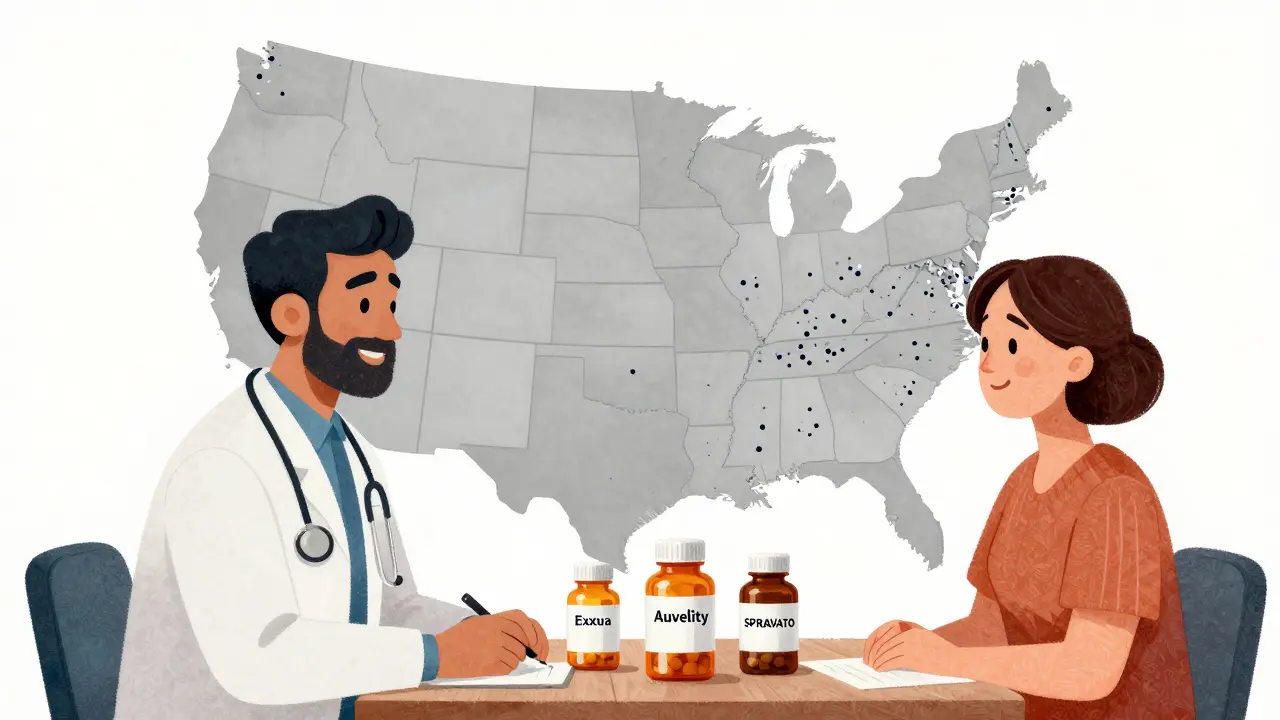
Even the best drug won’t help if you can’t get it. Zuranolone’s $9,450 price tag puts it out of reach for many without strong insurance. SPRAVATO’s clinic requirement means rural patients often can’t access it - there are only 1,243 certified clinics nationwide.
Insurance companies still treat these drugs as “last resort.” Prior authorization is common. Some patients spend months appealing denials.
And there’s another problem: many doctors don’t know how to use them. A 2025 survey found only 38% of primary care physicians feel confident prescribing Zuranolone. Psychiatrists need special training to give SPRAVATO. The learning curve is real.
The Big Missing Piece: Long-Term Data
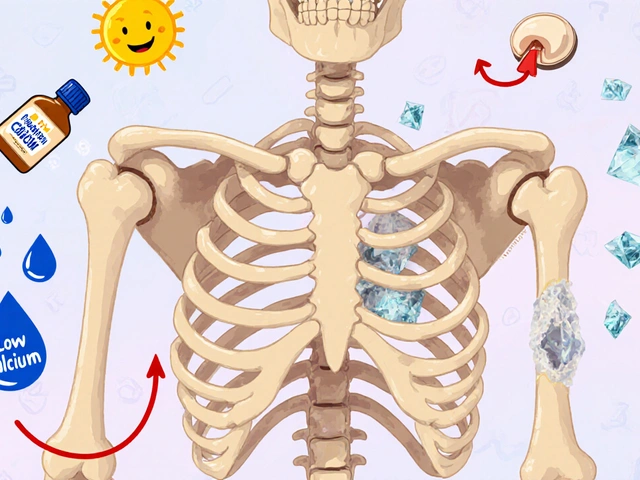
Here’s the catch: almost all studies on these new drugs last 8 to 12 weeks. We don’t know what happens after a year. Will Zuranolone work if you take it again? Will Exxua cause liver damage over time? Will SPRAVATO lead to abuse?
Dr. Prasad Nishtala warns: “All of these findings are based on short-term studies with an average length of eight weeks; there’s a major lack of long-term research on antidepressant effects.”
And clinical trials often exclude older adults, people with diabetes or heart disease, or those on multiple medications. Real-world patients are more complex. That’s why experts like Dr. Azeem Majeed stress: “Randomized controlled trials typically recruit younger adults without other illnesses, so this study likely does not reflect real-world risks.”
What’s Next? The Future of Antidepressants
Aticaprant, a new drug targeting kappa opioid receptors, is in Phase 3 trials with results expected in 2026. Early data shows a 60% response rate in treatment-resistant depression - with almost no weight gain.
Psilocybin, still investigational, is showing promise in long-term relief. One 2024 study in the New England Journal of Medicine found a single dose helped people stay well for up to six months.
And the biggest shift may not be a new drug - but better matching. The NIH is funding research to predict side effects using genetic tests. Imagine a blood test that tells you: “Sertraline will cause weight gain for you, but Exxua won’t.” That’s the future.
As Dr. Dervla Kelly puts it: “The future is not about finding the single best antidepressant, but about matching the right medication to the right patient based on their individual risk factors and side effect sensitivities.”
For the first time in decades, people with depression have real choices - not just between more pills, but between different kinds of relief. The goal isn’t just to lift mood. It’s to lift it without stealing your sex life, your energy, or your health.
Are new antidepressants safer than older ones?
New antidepressants like Exxua and Auvelity have significantly lower rates of sexual dysfunction and weight gain compared to SSRIs. However, they come with their own risks - such as dizziness with Zuranolone or dissociation with SPRAVATO. Safety depends on the individual and their health history. No antidepressant is risk-free.
Can I switch from my current antidepressant to a new one?
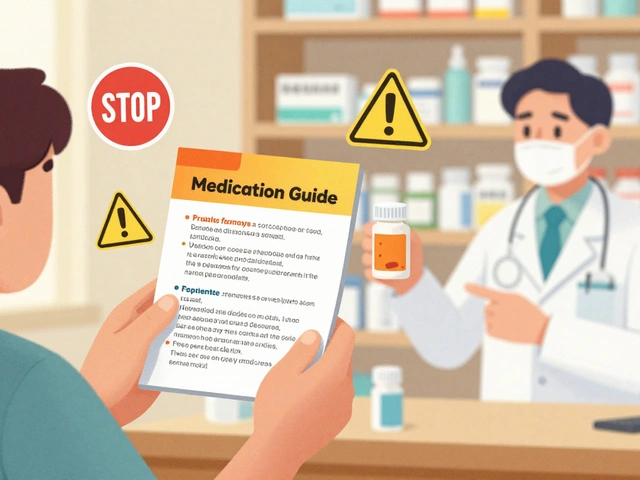
Yes, but never stop your current medication without medical supervision. Switching requires careful tapering and overlap to avoid withdrawal or worsening symptoms. A psychiatrist should guide the transition based on your side effect history and treatment goals.
Why are new antidepressants so expensive?
They’re new, patented drugs with high R&D costs. Companies set prices to recoup development expenses before generics enter the market. Zuranolone costs nearly $10,000 because it’s a short-course therapy with complex manufacturing. Insurance often requires prior authorization, and many patients pay out-of-pocket until coverage is approved.
Do these new drugs work for anxiety too?
Some do. Exxua and Auvelity are approved for depression but show benefits for anxiety symptoms in trials. Zuranolone was studied for postpartum depression, which often includes anxiety. SPRAVATO is not approved for anxiety. Always check the approved uses - off-label use should only happen under a doctor’s guidance.
Is there a new antidepressant without any side effects?
No. All medications have side effects. The goal of newer antidepressants isn’t to eliminate side effects entirely, but to reduce the most disruptive ones - like sexual dysfunction and weight gain - while offering faster relief. The best option depends on your personal health profile and what side effects you can tolerate.
Next Steps: What to Do If You’re Considering a New Antidepressant
- Talk to your psychiatrist - not your primary care doctor - if you’re considering SPRAVATO or Zuranolone. These require specialized knowledge.
- Ask about your side effect history - if sexual dysfunction or weight gain was a problem before, Exxua or Auvelity may be better choices.
- Check your insurance - call your plan to see if they cover the drug and what prior authorization steps are needed.
- Use NIMH’s decision aid - the National Institute of Mental Health offers a free tool to compare side effects and options based on your priorities.
- Track your symptoms - use a mood app or journal to note changes in energy, sleep, and side effects after starting a new drug.




9 Comments
Branden Temew December 31, 2025
So we’re just swapping one set of side effects for another? Dizziness and dissociation sound like the universe’s way of saying ‘you asked for this’ 😅
But honestly? If I could feel human again for two weeks and then go back to baseline… I’d take the dizziness. At least I’d know what normal feels like.
Hanna Spittel January 2, 2026
THEY’RE ALL GOVERNMENT EXPERIMENTS 😱
Exxua? Sounds like a code name for Project Bluebird 2.0.
Zuranolone? 14 days? That’s exactly how long they keep you in the black site before memory wipe. 💊👁️
Also, why is everyone ignoring the fact that ketamine was used in CIA torture programs? 🤔
anggit marga January 2, 2026
Why are Americans always crying about side effects when we in Nigeria have to walk 15km to get one pill that might work
And you guys are debating if dizziness is too much
Just be grateful you have a doctor to even ask this question
Stop being soft
Joy Nickles January 4, 2026
Okay so… Auvelity? Like… dextromethorphan? From cough syrup?? Like… the stuff that gets you high if you take 40 bottles??
And they just… combine it with bupropion??
Are you SERIOUS??
And no monitoring??
And it’s covered by insurance??
That’s… that’s like giving someone a chainsaw and saying ‘just don’t cut your leg off’
Also I read somewhere that dextromethorphan can cause serotonin syndrome if you’re on other meds and I’m pretty sure 80% of people on antidepressants are on other meds and…
OH MY GOD WHAT IS HAPPENING
WHO APPROVED THIS
??
??
??
Emma Hooper January 5, 2026
Y’all are acting like these drugs are magic wands, but let’s be real - if you’ve been on SSRIs for a decade and your sex life is a ghost story, you’ll try anything.
Exxua sounds like the MVP of 2025 - no weight gain, no ED nightmares, and it kicks in before your coffee cools.
And Zuranolone? For postpartum folks? That’s not a drug, that’s a lifeline.
Yes it’s pricey - but so is crying in the shower for 18 months straight.
Invest in your sanity. It’s cheaper than therapy bills after a relapse.
Harriet Hollingsworth January 7, 2026
People are treating these like they’re safe. They’re not. They’re chemicals. They’re altering brain chemistry. And you’re just… taking a pill because some ad said it works faster?
You’re not a patient. You’re a lab rat with a subscription to WebMD.
And you call that progress?
It’s not progress - it’s desperation with a pharmacy receipt.
Deepika D January 7, 2026
Hey everyone - I’m a clinical psychologist in Bangalore and I’ve seen patients switch from SSRIs to Exxua and Auvelity over the last year. The difference in quality of life? Night and day. One woman, 42, had stopped having sex for 7 years because of sertraline - switched to Exxua, and now she’s traveling with her husband again. Another guy, 58, was gaining 2 pounds a month - now he’s hiking with his grandkids.
Yes, Zuranolone is expensive - but think of it as a reset button. One 14-day course can save you years of therapy, lost jobs, broken relationships.
And yes, long-term data is lacking - but so was the data on Prozac in 1987. We didn’t wait for 30-year studies to help people then. We helped them. We’re still helping them now.
Don’t let fear of the unknown paralyze you. Talk to your doctor. Track your symptoms. Be your own advocate. You deserve to feel like yourself again - not just survive, but live.
Chandreson Chandreas January 7, 2026
Man… I’ve been on citalopram for 12 years. My libido’s been MIA since 2013.
Just read about Exxua and… I’m gonna ask my doc next week.
Worst case? I stay the same.
Best case? I get to feel like a human again.
Not a zombie.
Not a side effect statistic.
Just… me.
And that’s worth the risk.
🙏
Darren Pearson January 8, 2026
While the pharmacological innovations described are undeniably impressive from a mechanistic standpoint, one must remain cognizant of the epistemological limitations inherent in short-term clinical trials. The absence of longitudinal data precludes any robust conclusion regarding the durability of therapeutic effects or the potential for iatrogenic harm. Furthermore, the commercialization of neurochemical modulation without adequate public health infrastructure raises profound ethical concerns regarding access, equity, and the commodification of mental health. One cannot help but observe that the discourse surrounding these agents has become increasingly therapeutic nihilism disguised as progress.