
What Happens During an Opioid Overdose?
When someone takes too much of an opioid-whether it’s heroin, oxycodone, fentanyl, or even prescription painkillers-their breathing slows down or stops entirely. This isn’t just about feeling drowsy. The brain’s ability to control breathing gets shut down by the drug binding too tightly to opioid receptors. Without oxygen, brain damage can start in under three minutes. Death follows quickly if nothing is done.
Fentanyl is especially dangerous. It’s 50 to 100 times stronger than morphine. A dose as small as two grains of salt can kill. In 2022, fentanyl was involved in over 80% of the 107,622 opioid overdose deaths in the U.S. Many people don’t even know they’re taking it-fake pills made to look like oxycodone often contain fentanyl. That’s why overdoses can happen so suddenly, even to someone who’s used opioids before.
How Naloxone Works to Reverse an Overdose
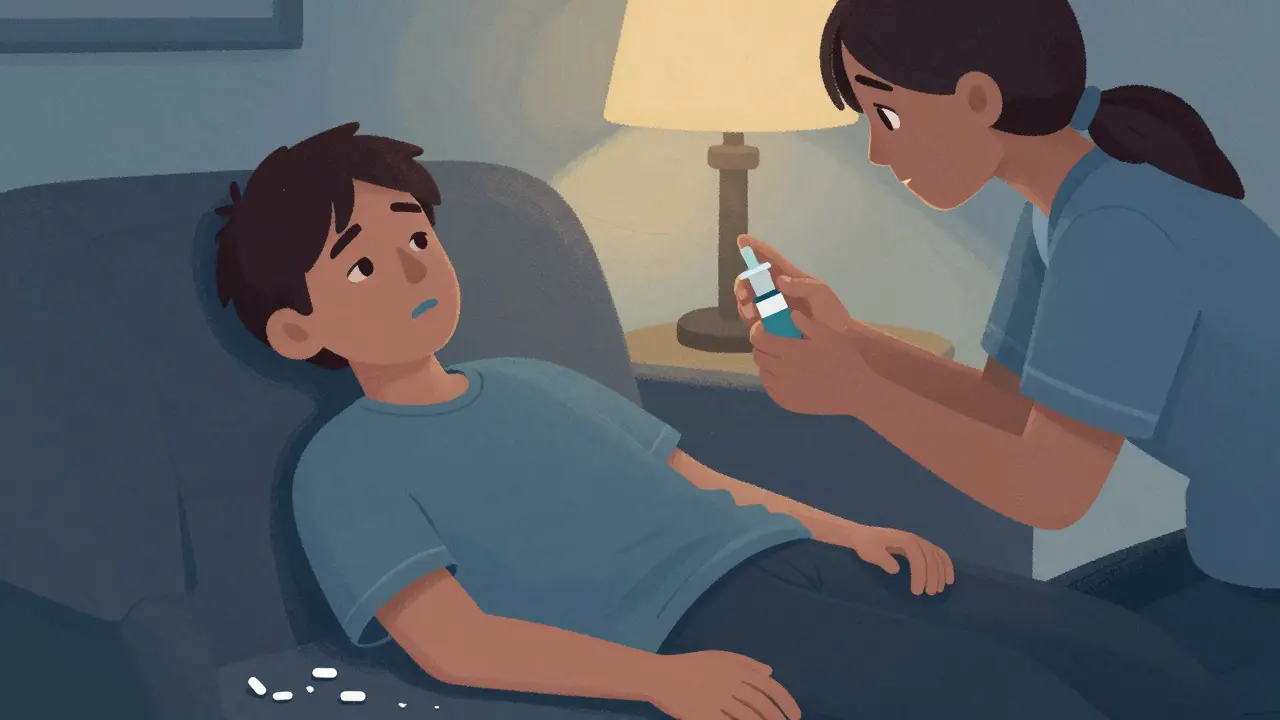
Naloxone is the only medication proven to reverse an opioid overdose. It doesn’t cure addiction. It doesn’t get you high. It simply kicks opioids off the brain’s receptors and replaces them with itself. This restores breathing within 3 to 5 minutes. Think of it like a reset button for the brain’s breathing control center.
The FDA-approved versions are nasal spray (like Narcan) and injectable. The nasal spray is easier for non-medical people to use. You don’t need to be a doctor. You don’t need to find a vein. Just tilt the head back, insert the nozzle into one nostril, and press the plunger. That’s it.
Studies show it works in 85% of cases when used correctly. Even better, it’s incredibly safe. If someone doesn’t have opioids in their system, naloxone does nothing. You can’t accidentally overdose on naloxone. It won’t hurt someone who’s just drunk or on benzodiazepines. It only works on opioids.
Why One Dose Isn’t Always Enough
Here’s the catch: naloxone wears off faster than many opioids. Its effects last between 30 and 90 minutes. Fentanyl, carfentanil, and other synthetic opioids can stay in the body for hours. That means after naloxone wears off, the person can slip back into overdose. This is called re-narcotization.
The CDC says 40% of fentanyl overdoses require more than one dose of naloxone. That’s why it’s critical to give a second dose if the person doesn’t wake up after 3 to 5 minutes. Keep the spray handy. Keep watching them. Don’t assume one spray is enough.
Some newer formulations, like the 8 mg nasal spray approved in April 2024, are designed specifically for strong opioids like fentanyl. But even then, multiple doses may still be needed. Always be prepared for the possibility.
Recognizing the Signs of an Overdose
Not every unconscious person is having an opioid overdose. But these signs are strong indicators:
- Unresponsive to shaking or shouting
- Slow, shallow, or stopped breathing
- Blue or gray lips and fingernails
- Pinpoint pupils (very small dots in the center of the eyes)
- Gurgling or snoring sounds (like they’re drowning)
People often mistake overdoses for sleep. That’s deadly. If someone is unresponsive and breathing oddly, assume it’s an overdose. Don’t wait. Don’t check their phone. Don’t try to wake them up with ice water. Give naloxone and call 911 immediately.
Training programs show that 35% of the time is spent just teaching people how to tell the difference. Practice recognizing these signs. Watch videos. Role-play with a friend. The more familiar you are, the faster you’ll act when it matters.

How to Store Naloxone Properly
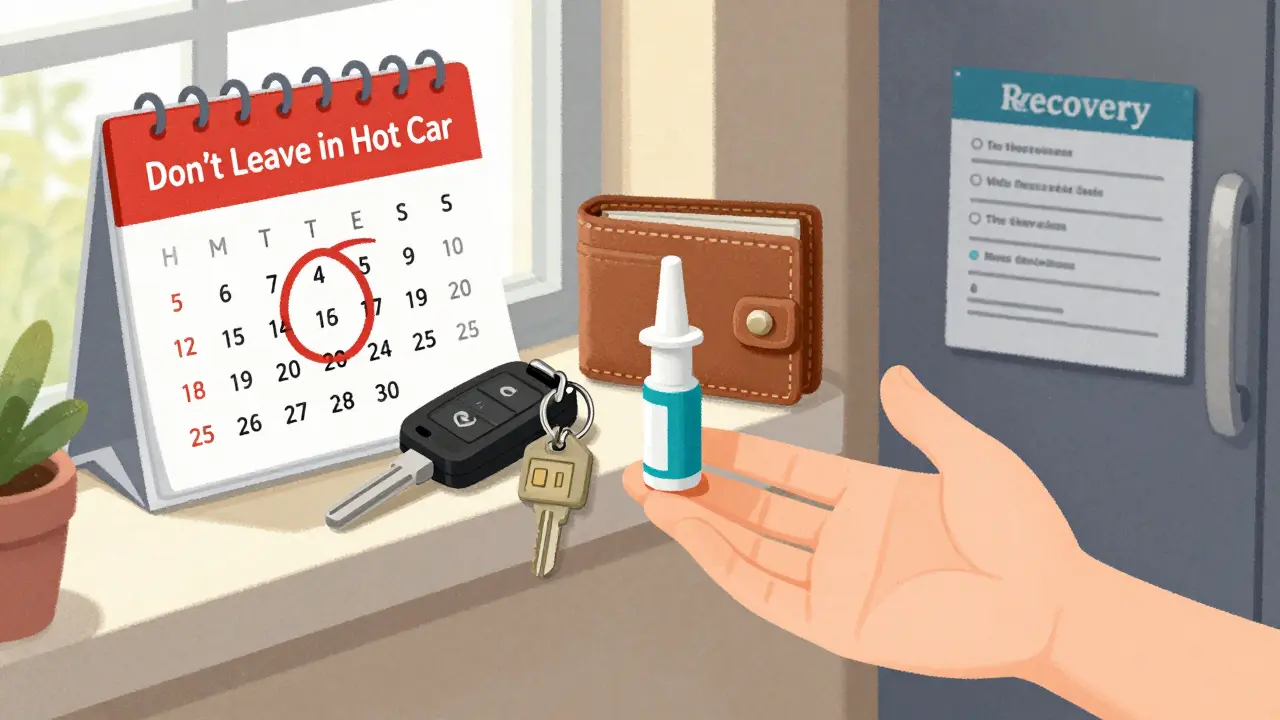
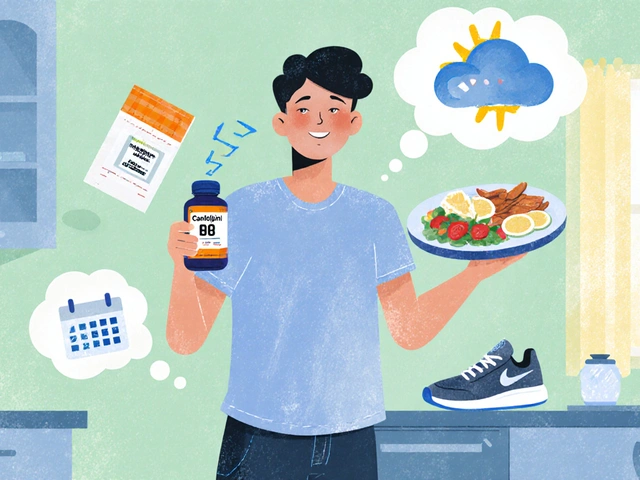
Naloxone doesn’t need refrigeration, but it does need protection. Keep it in a cool, dry place away from direct sunlight. Don’t leave it in your car’s glove box in summer-it can get hotter than 120°F. Heat and light can break down the medication.
Check the expiration date. Most nasal sprays last 18 to 24 months. If it’s expired, it’s better than nothing-but don’t rely on it. Replace it before it expires. Many community health centers give out free replacements.
Store it where you can find it fast. Not tucked in a drawer. Not buried in a backpack. Keep it with your keys, wallet, or in a small pouch clipped to your belt. If you’re someone who uses opioids, keep one on you. If you know someone who does, keep one in their room, their car, their work bag. Every location where they spend time is a potential emergency spot.
What to Do After Giving Naloxone
Calling 911 is non-negotiable. Naloxone is not a substitute for medical care. Even if the person wakes up, they still need to go to the hospital. Why? Because the overdose might have damaged their lungs or heart. Or they might slip back under.
After giving naloxone, place the person on their side in the recovery position. This keeps their airway open if they vomit. Vomiting is common after naloxone-it’s part of withdrawal. Don’t try to hold their head up. Just roll them gently onto their side, bend the top knee to keep them stable.
Stay with them. Monitor their breathing. If they stop breathing again, give another dose of naloxone. If you’re trained in CPR, be ready to start it.
Don’t leave them alone. Don’t let them walk it off. Don’t let them go back to using. The risk of another overdose is highest in the first hour after naloxone is given.
Who Should Have Naloxone?
Anyone who uses opioids-even just once in a while-should have naloxone. So should their friends, family, roommates, coworkers, and anyone who might be around them when they use.
People on long-term opioid pain medication. People in recovery. People who use heroin or fentanyl. People who take benzodiazepines with opioids (that combo increases overdose risk 10-fold). Even people who just take prescription painkillers for back pain.
In Australia, naloxone is available over the counter at pharmacies without a prescription. In the U.S., it’s free at many community centers, syringe programs, and libraries. You don’t need insurance. You don’t need to prove you’re at risk. Just ask for it.
Common Myths About Naloxone
- Myth: Giving naloxone encourages drug use. Truth: Studies show no increase in drug use after naloxone distribution. People who get naloxone are more likely to seek treatment.
- Myth: Naloxone is dangerous. Truth: It’s one of the safest medications ever made. It only works if opioids are present.
- Myth: You need training to use it. Truth: You don’t. The nasal spray is designed for anyone. But training helps you act faster and with more confidence.
- Myth: If they wake up, they’re fine. Truth: They’re not. They need medical care. Withdrawal can be brutal. They might try to use again right away.
Where to Get Naloxone
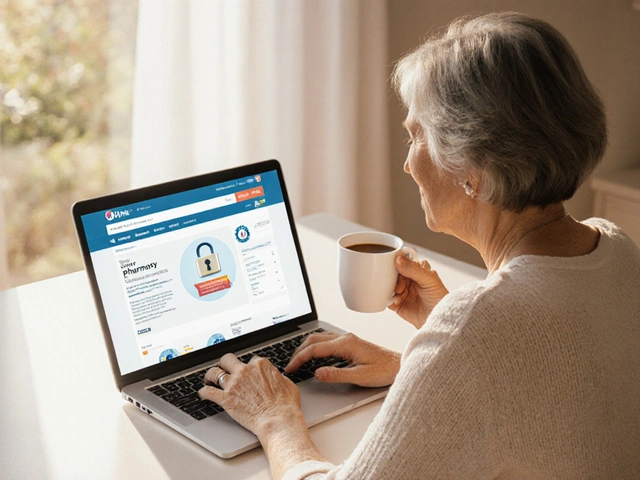
In Australia, you can walk into any pharmacy and ask for naloxone. Pharmacists are trained to show you how to use it. Many offer it for free through government programs. In Sydney, community health centers like The Bayside Clinic and the Sydney Medically Supervised Injecting Centre provide free kits.
In the U.S., you can buy Narcan nasal spray at CVS, Walgreens, Rite Aid, and other major pharmacies without a prescription. The price is around $45 to $60 with insurance, or $130 to $150 without. But many local health departments, needle exchanges, and nonprofits give it away for free. Search “free naloxone near me” online.
Don’t wait for a crisis. Get it now. Keep it with you. Teach one person how to use it. That one person could save your life-or someone else’s.
What Comes After Naloxone?
Naloxone is a rescue tool. It doesn’t fix the problem. It buys time. That time should be used to get help.
After a reversal, people often feel sick-nausea, shaking, anxiety, pain. That’s withdrawal. It’s terrifying. But it’s not life-threatening. What’s life-threatening is going back to using.
That’s why follow-up care matters. Treatment programs, peer support, counseling, and medication-assisted treatment (like methadone or buprenorphine) reduce the chance of another overdose by up to 50%. Naloxone doesn’t replace treatment. It makes treatment possible.
Every time naloxone is used, it’s a chance to connect someone to help. Don’t let that moment pass.

14 Comments
Emma ######### January 19, 2026
I keep a Narcan kit in my purse next to my wallet. My brother used to use, and I didn’t know how to help until I saw him go blue one night. One spray brought him back. I wish I’d had it sooner.
Don’t wait until it’s too late. Just get it. It’s free at so many places now.
Jake Moore January 21, 2026
Naloxone is literally the most underused lifesaver in modern medicine. I work in ER and we see the same faces over and over-people who survive because someone had the guts to use it. Not a single person has ever said, 'I wish I hadn’t given it.'
Stop thinking it’s enabling. It’s buying time for someone to get help. And sometimes, that’s all they need.
Danny Gray January 22, 2026
Interesting how we’ve turned a moral failure into a pharmacological fix. We hand out naloxone like candy but don’t ask why people are taking opioids in the first place. Is it the pain? The trauma? The loneliness? Or just the fact that we live in a society that rewards numbness?
Maybe if we stopped treating addiction like a medical glitch and started treating it like a cultural wound, we wouldn’t need so many sprays.
But hey, let’s keep spraying and pretending we’re helping.
Tyler Myers January 23, 2026
Narcan is just another government tool to keep the drug trade alive. They don’t want addicts to die-they want them alive so they can keep feeding them. Fentanyl is laced on purpose to keep people hooked. The real criminals are the ones pushing this 'harm reduction' nonsense. It’s not harm reduction-it’s population control.
And don’t get me started on how they give it away for free but charge $150 for a blood test. That’s not compassion. That’s control.
rachel bellet January 23, 2026
The data is clear: 40% of fentanyl overdoses require multiple doses. Yet, public education campaigns still treat naloxone as a one-and-done solution. This is a systemic failure in risk communication. The pharmacokinetic mismatch between synthetic opioids and naloxone’s half-life is not being adequately conveyed to lay responders.
Until we standardize training around re-narcotization protocols, we’re perpetuating a false sense of security. This isn’t just about access-it’s about competency.
Pat Dean January 25, 2026
I’m sick of this whole 'everyone gets a free spray' thing. If you’re stupid enough to do drugs, you should face the consequences. Why should I pay for your mistakes? You want to OD? Fine. But don’t expect me to clean up your mess with my tax dollars. This isn’t healthcare-it’s enabling.
Jay Clarke January 27, 2026
I gave my cousin Narcan last year. He woke up screaming, crying, kicking. Then he looked at me and said, 'I didn’t think I’d ever feel this bad again.'
That’s the moment he started going to meetings. That’s the moment he got his GED. That’s the moment he started painting again.
Naloxone didn’t save his life. It gave him the chance to save himself. And yeah-I cried for three hours after.
Selina Warren January 28, 2026
Let’s be real: we’re not saving lives with naloxone-we’re delaying the inevitable. The opioid crisis isn’t about pills or fentanyl. It’s about a generation that’s been abandoned by family, faith, and purpose. You can spray someone a hundred times, but if they still feel empty, they’ll keep reaching for the next fix.
We need to rebuild communities, not just distribute nasal sprays. Until then, we’re just putting bandages on a hemorrhage.
Eric Gebeke January 29, 2026
I’ve seen people get revived, then walk right back into the same alley and shoot up again five minutes later. So what’s the point? You’re not helping them-you’re just making the cycle longer. And now we’re teaching high schoolers how to use it like it’s a normal part of life. What’s next? Free syringes in the lunchroom?
Robert Davis January 30, 2026
I work at a pharmacy. People come in asking for Narcan like it’s Advil. Some of them are dealers. They buy ten kits, sell them for $20 each, and tell their clients, 'Don’t worry, you got this.'
It’s not about saving lives anymore. It’s about profit. And now the government’s handing it out like confetti. No accountability. No questions. Just give it to everyone. That’s not compassion. That’s negligence.
Nishant Sonuley January 30, 2026
In India, we don’t have naloxone easily available, but we do have something better: community. My uncle used to use heroin in Mumbai. We didn’t have sprays, but we had neighbors who’d sit with him for days when he came down. We cooked for him. We didn’t judge. We just didn’t let him be alone.
Maybe the real solution isn’t in the spray-but in the hands that hold someone when they’re shaking. Maybe we’re missing the forest for the tree.
Andrew McLarren January 31, 2026
The dissemination of naloxone represents a paradigmatic shift in public health policy from punitive to restorative frameworks. Empirical evidence indicates that non-prescription access significantly reduces mortality rates without increasing substance use behaviors. Furthermore, the pharmacological safety profile of naloxone renders it an ideal candidate for community-based deployment.
It is imperative that public education initiatives prioritize not only administration technique but also post-reversal care pathways, as the temporal mismatch between opioid half-life and naloxone efficacy remains a critical clinical consideration.
Andrew Short February 2, 2026
You people are pathetic. You treat addicts like victims and dealers like entrepreneurs. Naloxone isn’t a gift-it’s a subsidy for criminal behavior. And now you’re telling kids it’s okay to carry it? Next thing you know, they’ll be handing out fentanyl test strips in middle school. This isn’t helping. It’s normalizing death.
Emma ######### February 4, 2026
I saw Christian’s comment. You think we’re normalizing death? I saw my brother die in 2018 because no one had the guts to try. He was 24. He had a daughter. He didn’t want to die. He just wanted the pain to stop.
If you think naloxone is enabling, then you’ve never held someone’s hand while they stop breathing. You don’t get to judge from your safe little corner.