
When you mix alcohol and opioids, two central nervous system depressants that slow breathing and heart rate. Also known as central nervous system depressant combinations, this pairing doesn’t just increase drowsiness—it can shut down your breathing completely. It’s not rare. Emergency rooms see thousands of cases every year from people who didn’t realize how quickly this combo turns dangerous—even with prescribed pain meds like oxycodone or hydrocodone.
Think of your brain as a control center for breathing. Opioids, powerful painkillers that bind to receptors in the brainstem calm pain signals but also blunt the automatic drive to breathe. Alcohol, a depressant that enhances the effect of GABA, the brain’s main calming chemical does the same thing, but faster and less predictably. Together, they don’t just add up—they multiply. A 2020 study in the Journal of the American Medical Association found that people who drank alcohol while taking opioids were 20 times more likely to die from respiratory failure than those who took opioids alone.
It’s not just about overdose. Long-term use of this combo damages your liver, worsens mental health, and makes addiction harder to treat. People often start with a prescription for pain after surgery, then add a drink to help sleep—or calm anxiety. But the body adapts. You need more of both to feel the same effect, and your system gets less able to recover. That’s why withdrawal from both at once can be life-threatening without medical help.
What you won’t see coming: the subtle signs. Slurred speech, extreme drowsiness, slow or shallow breathing, blue lips, confusion. These aren’t just "being drunk" or "feeling high." They’re warning signs your body is shutting down. And if you’re alone, no one may notice until it’s too late.
There’s no safe amount when these two are mixed. Even one drink with a single pill can be enough if you’re older, have liver issues, or take other meds like benzodiazepines. The respiratory depression, the dangerous slowing of breathing caused by drug interactions from this combo doesn’t care if you meant to be careful. It only cares if your brain stops telling your lungs to work.
What you’ll find in the posts below are real, practical stories and science-backed warnings about how this interaction plays out in everyday life—from how it affects older adults on chronic pain meds, to why emergency responders avoid flumazenil in mixed overdoses, to what to do if someone collapses after mixing painkillers and alcohol. These aren’t hypotheticals. They’re the kind of facts that save lives when you know what to look for.
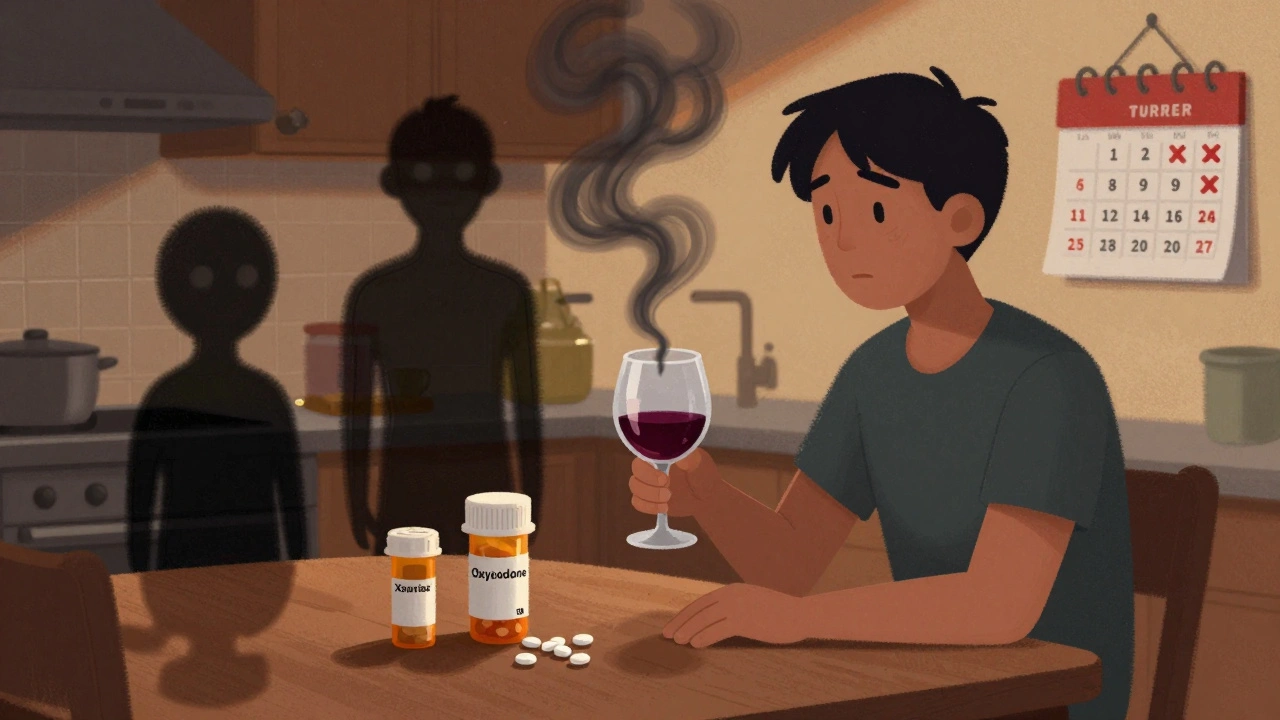
Mixing alcohol with prescription drugs can cause deadly side effects, from respiratory failure to liver damage. Learn which medications are most dangerous, who's at highest risk, and what steps to take to stay safe.
Read more