
When someone talks about bariatric surgery, a set of surgical procedures designed to help people with severe obesity lose weight by changing how the stomach and intestines work. Also known as weight loss surgery, it's not a cosmetic choice—it's a medical intervention for people whose health is at serious risk because of their weight. This isn't about wanting to look better. It's about surviving diabetes, heart disease, sleep apnea, and joint pain that won't go away no matter how hard you try.
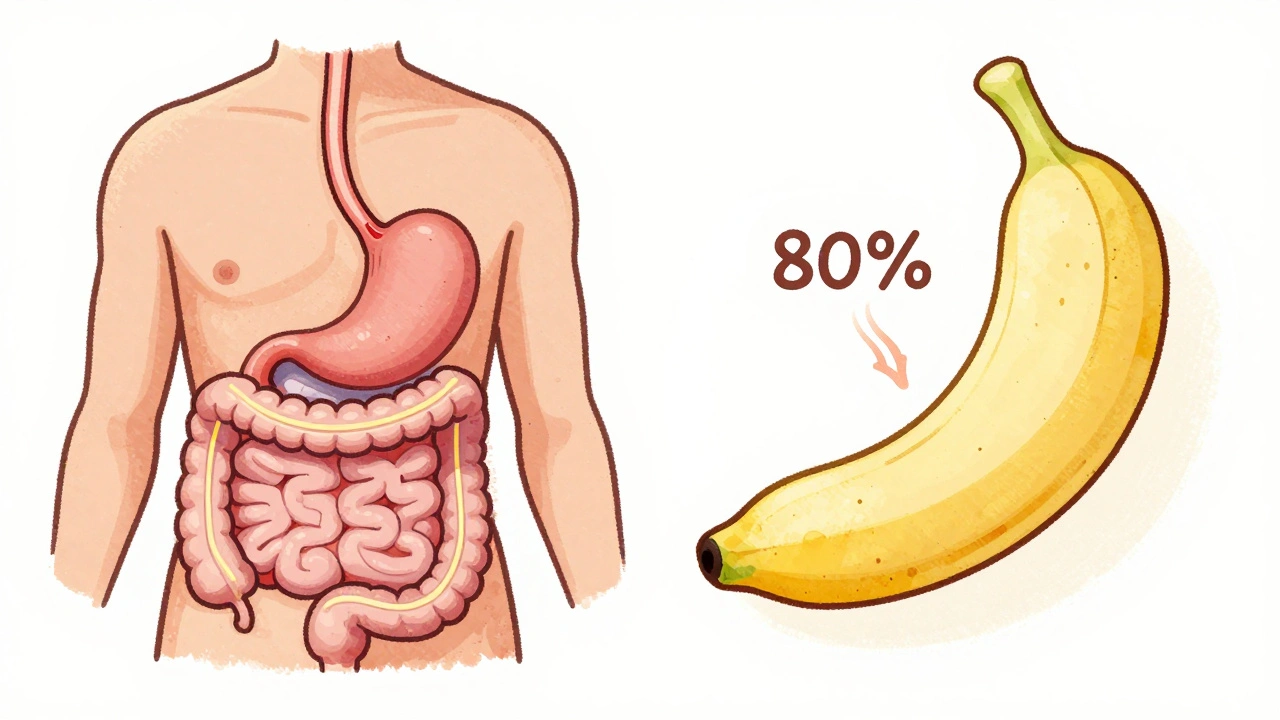
There are a few main types of bariatric surgery, procedures that reduce stomach size or alter digestion to limit food intake and absorption. The most common are sleeve gastrectomy, where about 80% of the stomach is removed, and gastric bypass, which reroutes food past part of the small intestine. Each has pros and cons. Sleeve surgery is simpler and has fewer long-term nutrient issues. Gastric bypass often leads to faster weight loss and better control of type 2 diabetes—but it’s more complex and needs lifelong vitamin monitoring. These aren’t magic fixes. They work best when paired with real lifestyle changes: eating smaller portions, avoiding sugary drinks, moving more, and sticking to follow-up care.
Who qualifies? Most guidelines say you need a BMI over 40, or over 35 with serious health problems like high blood pressure, diabetes, or sleep apnea. But it’s not just about the number on the scale. Doctors look at how long you’ve struggled, whether you’ve tried other methods, and your mental readiness. It’s not for everyone—but for those who are ready, it can be life-saving. Studies show people often lose 50-70% of their excess weight in the first year and keep most of it off for a decade or more. Blood sugar levels drop. Joint pain eases. Sleep improves. Many people stop taking insulin, blood pressure meds, or cholesterol drugs.
But it’s not all smooth sailing. After surgery, you’ll need to take vitamins for life—especially B12, iron, calcium, and vitamin D. Some people struggle with nausea, dumping syndrome, or changes in how they feel about food. Emotional support matters as much as medical care. That’s why follow-up visits with dietitians, therapists, and surgeons are non-negotiable.
You’ll find real stories here—not just textbook definitions. We’ve gathered posts that break down what happens before, during, and after surgery. You’ll see how people manage nutrition, handle side effects, and deal with the emotional side of losing weight. There’s advice on preparing for surgery, avoiding common mistakes, and understanding the long-term risks. Whether you’re considering it for yourself or supporting someone who is, this collection gives you the facts without the fluff.
Gastric bypass and sleeve gastrectomy are the two leading weight loss surgeries. Learn how they differ in weight loss, risks, recovery, and long-term outcomes to make the best choice for your health.
Read more