
When you hear cancer staging, a system used to describe how far cancer has spread in the body. It's not just a label—it's the foundation for every major decision about treatment, prognosis, and follow-up care. Staging turns vague fears into clear facts. It answers the question: Is this localized, or has it moved elsewhere? Doctors use imaging, biopsies, blood tests, and physical exams to assign a stage, usually from 0 to IV. Stage 0 means abnormal cells are still in place—no invasion yet. Stage IV means cancer has spread to distant organs, like the liver, lungs, or bones. This isn’t guesswork. It’s based on standardized systems like TNM: Tumor size, Node involvement, Metastasis.
Tumor staging, the process of measuring the size and depth of the main cancer growth is just one part. Cancer prognosis, the predicted outcome based on stage, type, and patient health depends heavily on this. A stage I breast cancer has a 99% five-year survival rate. Stage IV drops to about 28%. That’s not just a number—it’s why early detection matters. Staging also tells doctors what treatments will work. Surgery might cure stage I colon cancer. Stage III may need chemo before and after. Stage IV often shifts focus to controlling growth and easing symptoms. It’s not one-size-fits-all. A lung cancer stage 2 in a 30-year-old isn’t treated the same as in a 75-year-old with other health issues. The stage guides the plan, but the person shapes it.
Staging isn’t static. Sometimes, after treatment, doctors re-stage to see if the cancer shrank or spread. This is called restaging, and it changes everything. A tumor that looked like stage III before chemo might be stage I after—meaning surgery could now be curative. That’s why getting the staging right the first time matters so much. Misstage a cancer, and you might under-treat it—or over-treat it, with side effects that don’t help.
What you’ll find below are real, practical guides from people who’ve been through this. You’ll read about how staging affects treatment choices, what tests are used to determine it, how it impacts survival rates for different cancers, and why two people with the same cancer type can have wildly different outcomes based on stage. No fluff. No jargon. Just what you need to understand where you stand and what comes next.
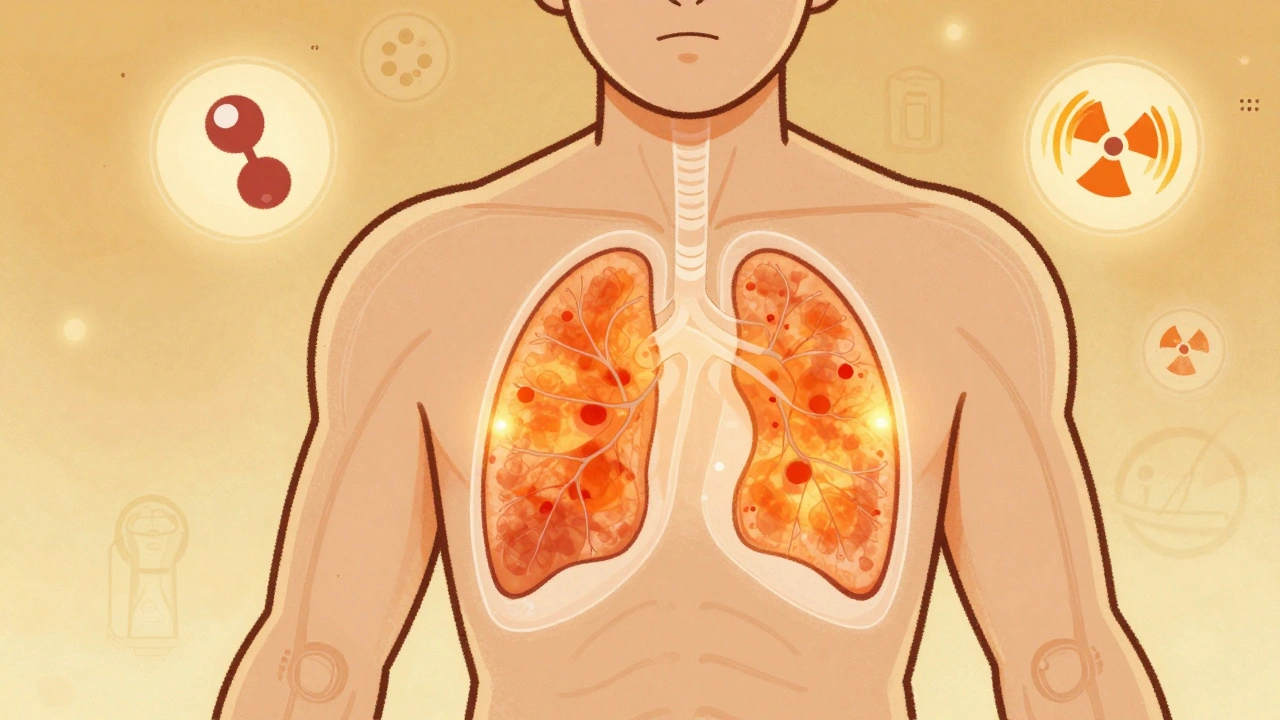
PET-CT, MRI, and PET-MRI each play distinct roles in cancer staging. Learn how experts choose the right imaging tool based on cancer type, location, and patient needs-without unnecessary radiation or cost.
Read more