
When your child has a fever, the goal isn’t to bring the number down at all costs—it’s to help them feel better. fever medicine for children, safe, age-appropriate medications like acetaminophen and ibuprofen used to reduce fever and discomfort in kids. Also known as children’s fever reducers, these aren’t just pills—they’re tools that need precise use to be effective and safe. Not all fevers need treatment. A child with a 102°F fever who’s playing, drinking, and acting normal doesn’t always need medicine. But if they’re fussy, achy, or refusing fluids, that’s when the right dose of acetaminophen for kids, a common fever and pain reliever for children, available in liquid and chewable forms can make a real difference.
Don’t guess the dose. Weight matters more than age. A 15-pound baby needs a completely different amount than a 50-pound third grader. ibuprofen for children, an NSAID used for fever and inflammation in kids over 6 months, with effects lasting longer than acetaminophen is another option, but it’s not for every child. Kids with dehydration, kidney issues, or stomach problems should avoid it. Always check the label for concentration—infant drops are stronger than children’s syrup. Mixing them up is a common mistake that leads to overdoses. Never use adult medicine, even if you think "half a pill" is enough. The wrong concentration or wrong timing can turn a simple fever into an emergency.
What you don’t do matters as much as what you do. Avoid aspirin—it can cause Reye’s syndrome, a rare but deadly condition. Skip cold medicines with multiple ingredients; they don’t help fevers and add unnecessary risks. And don’t alternate acetaminophen and ibuprofen unless your doctor tells you to. It sounds logical, but studies show it doesn’t help kids feel better faster—and it increases the chance of dosing errors. Stick to one medicine, follow the weight-based chart, and use the syringe that comes with it, not a kitchen spoon.
You’ll find real-world advice in the posts below: how to handle missed doses safely, what to watch for when side effects appear, and how to build a system that keeps your child’s medication schedule on track. These aren’t theory pages—they’re practical guides written for parents who need clear answers, not medical jargon. Whether you’re dealing with a toddler’s first fever or a school-aged child’s recurring temperature, you’ll find what works, what doesn’t, and how to stay calm when things get stressful.
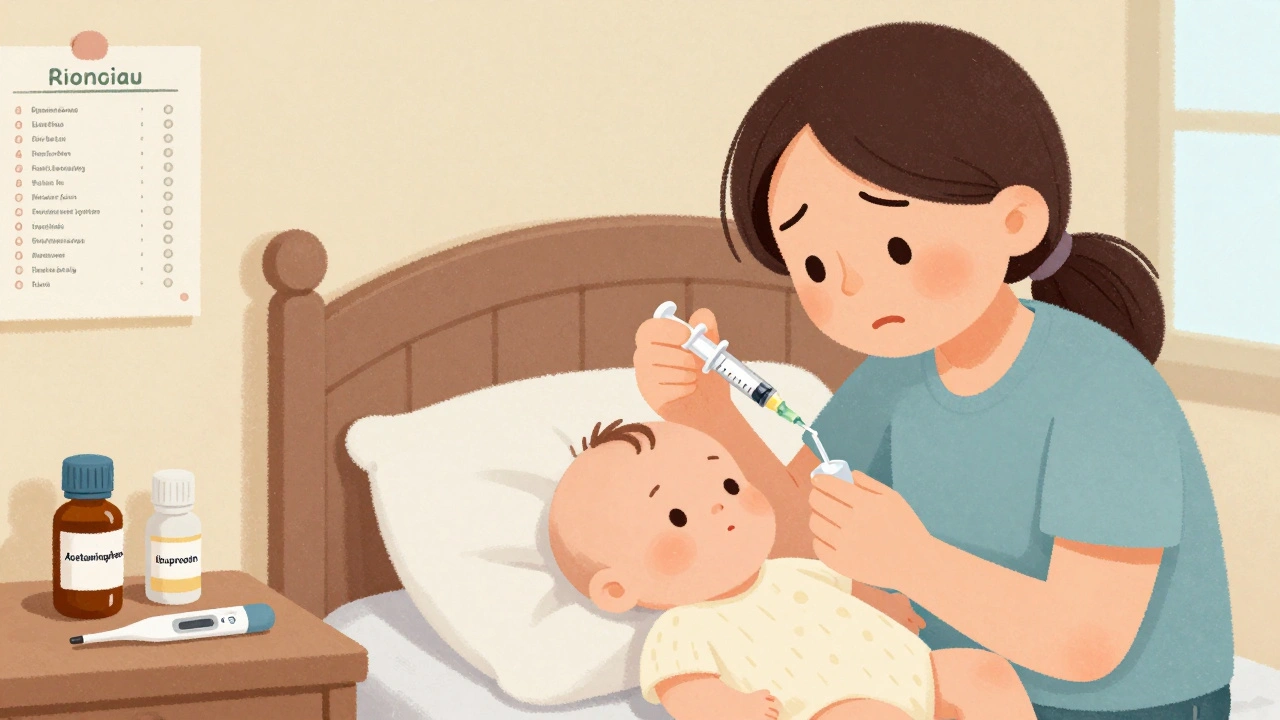
Learn the safest way to treat fever in kids under two with acetaminophen and ibuprofen. Discover dosing by weight, age limits, effectiveness, and when to call the doctor.
Read more