
When someone talks about gastric bypass, a surgical procedure that shrinks the stomach and reroutes the small intestine to limit food intake and nutrient absorption. Also known as Roux-en-Y gastric bypass, it's one of the most common types of bariatric surgery, surgical procedures designed to help people with severe obesity lose weight and improve related health conditions. Unlike diets or medications, gastric bypass physically changes how your body processes food—and that change lasts.
It’s not just about losing weight. People who get gastric bypass often see dramatic improvements in type 2 diabetes, high blood pressure, sleep apnea, and joint pain. The surgery works in two ways: first, by making your stomach tiny so you feel full after eating just a few bites; second, by skipping part of your small intestine, which cuts down on how many calories and nutrients your body absorbs. This isn’t a quick fix—it’s a lifelong adjustment. You’ll need to eat smaller meals, take daily vitamins, and avoid sugary or fatty foods that can cause dumping syndrome—a painful reaction where food moves too fast through your gut.
Not everyone is a candidate. Doctors typically recommend gastric bypass for people with a BMI over 40, or over 35 with serious health problems like diabetes or heart disease. It’s not for people who aren’t ready to change their eating habits or who have untreated mental health conditions. Recovery takes weeks, and the first few months are tough—you’ll need help from doctors, dietitians, and support groups. Many patients lose 60% to 80% of their excess weight in the first year, but that only works if they stick to the plan. The biggest risks include infections, blood clots, leaks at the surgical site, and long-term nutrient deficiencies like low iron, calcium, or vitamin B12.
What you’ll find in these posts isn’t just theory. You’ll see real advice on how to manage nutrition after surgery, what medications to avoid, how to spot early signs of complications, and how to stay healthy long-term. There are guides on dealing with vitamin deficiencies, handling medication changes, and even how to avoid common mistakes that lead to weight regain. These aren’t generic tips—they’re based on what patients actually struggle with after surgery. Whether you’re considering the procedure, just had it, or are helping someone who did, this collection gives you the practical, no-fluff information you need to navigate life after gastric bypass.
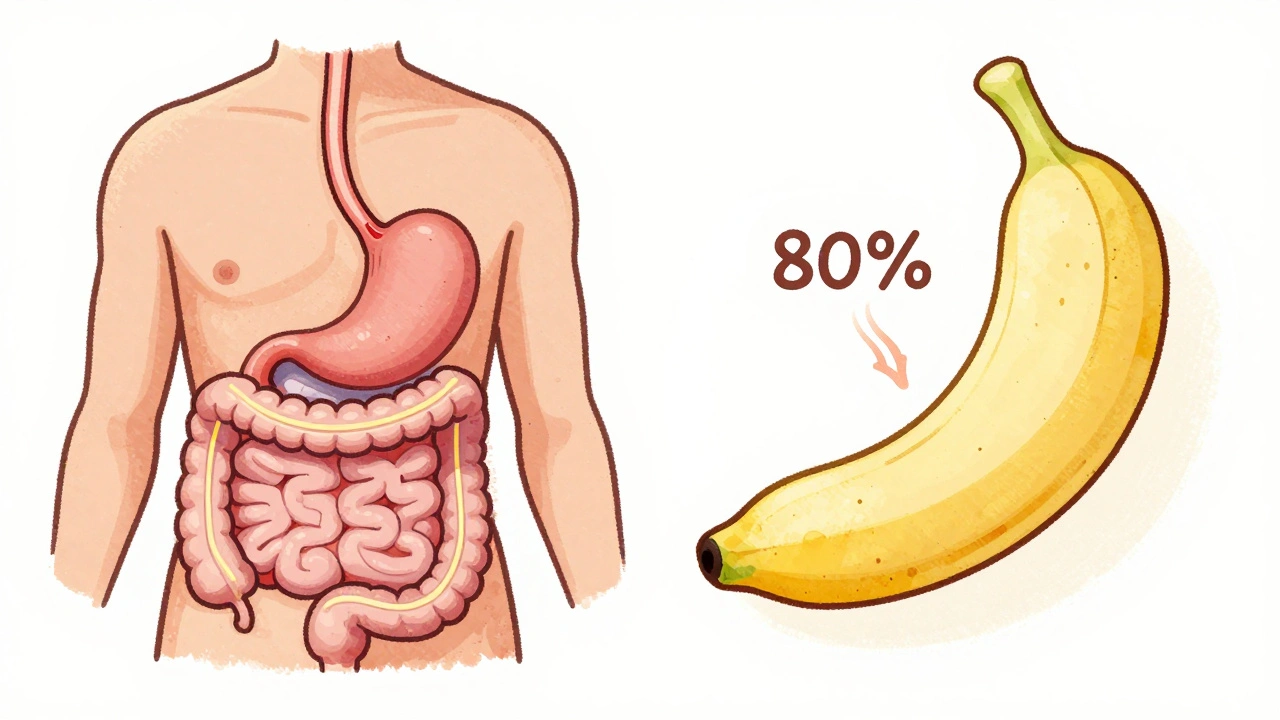
Gastric bypass and sleeve gastrectomy are the two leading weight loss surgeries. Learn how they differ in weight loss, risks, recovery, and long-term outcomes to make the best choice for your health.
Read more