
When your kidney disease, a condition where the kidneys lose their ability to filter waste and fluid from the blood. Also known as chronic kidney disease, it often develops slowly and silently—many people don’t know they have it until damage is advanced. It’s not just about urinating less or feeling tired. Kidney disease is deeply connected to other health issues, especially high blood pressure, a leading cause of kidney damage that strains the tiny filters inside the kidneys and diabetes, the top reason kidney function declines over time. These aren’t separate problems—they feed into each other. High blood pressure damages the blood vessels in the kidneys, and when kidneys fail to work right, blood pressure climbs even higher. It’s a cycle, and meds can make it worse—or help break it.
Many of the drugs people take daily can hurt the kidneys if they’re already damaged. Blood pressure medication, like losartan-hydrochlorothiazide or azilsartan medoxomil, are often prescribed to protect kidney function, but even these need careful dosing. Some antibiotics, painkillers, and antacids reduce how well your kidneys clear waste or interfere with how other drugs work. For example, taking antacids with certain antibiotics can cut absorption by up to 90%, leaving infections untreated and forcing stronger drugs later. And if you’re on blood thinners like clopidogrel or dabigatran, kidney disease raises your bleeding risk because your body can’t clear the drug as fast. It’s not just about taking pills—it’s about knowing which ones are safe with your kidneys, and when to switch.
People with kidney disease often have other conditions like low vision or hearing loss, making it harder to read labels, understand warnings, or hear doctor’s advice. That’s why medication safety isn’t just about the drug—it’s about how you take it. Simple tools like large-print labels, pill organizers, or voice-assisted apps can prevent dangerous mistakes. And if you’re managing diabetes or heart disease along with kidney problems, your treatment plan needs to fit all three. It’s not one-size-fits-all. What works for one person might overload another’s kidneys. The key is knowing your limits, tracking symptoms like swelling or fatigue, and asking your doctor: "Is this drug helping or hurting my kidneys?"
Below, you’ll find real guides on how specific drugs interact with kidney function, what alternatives exist, how to spot early warning signs, and how to avoid common mistakes that make things worse. No fluff. Just what you need to protect your kidneys and stay in control.
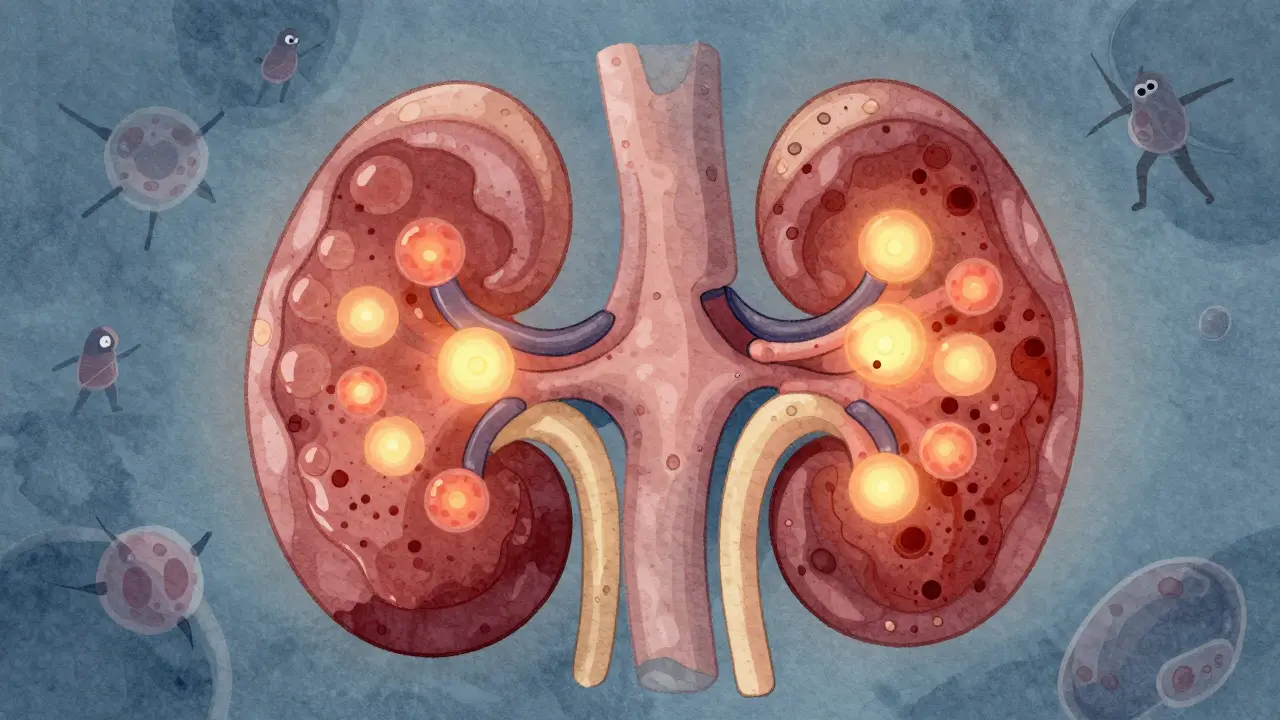
IgA Nephropathy is the most common cause of kidney inflammation worldwide. In 2026, new guidelines recommend simultaneous, targeted therapies to prevent kidney failure-shifting from passive monitoring to aggressive, personalized intervention.
Read more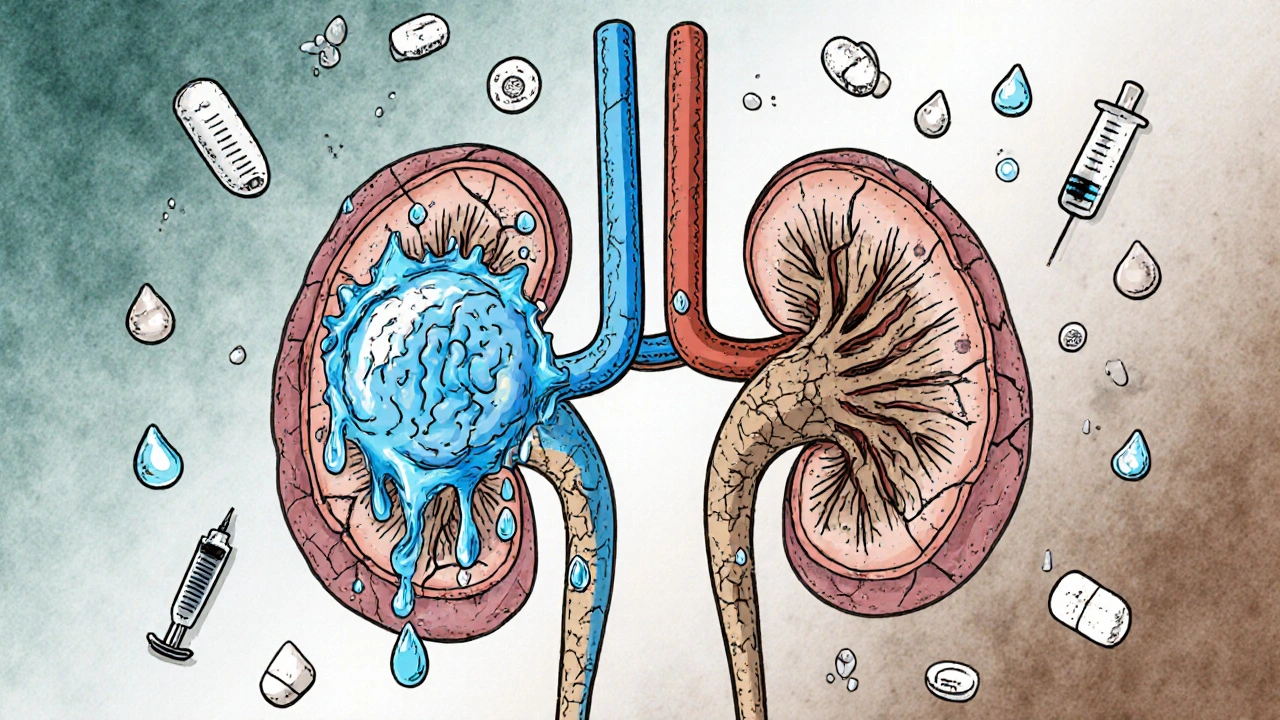
Hyponatremia and hypernatremia are life-threatening sodium imbalances common in kidney disease. Learn how reduced kidney function disrupts sodium balance, why standard treatments can be dangerous, and what actually works to protect your health.
Read more