
When doctors need to find cancer, measure how big it is, or see if treatment is working, they turn to oncologic imaging, medical techniques used to visualize tumors and cancer spread in the body. Also known as cancer imaging, it’s not just about taking pictures—it’s about making life-or-death decisions based on what those pictures show. This isn’t science fiction. It’s routine care for millions of people diagnosed with cancer every year.
On its own, a lump or symptom doesn’t tell the full story. CT scans, detailed X-ray images that show cross-sections of the body help spot tumors in the lungs, liver, or lymph nodes. MRI, powerful magnetic fields used to create soft tissue images gives clearer views of brain tumors or prostate cancer. And PET scans, tracers that light up areas with high metabolic activity, often cancer reveal where cancer has spread, even before it shows up on other scans. These tools don’t just find cancer—they help doctors decide if surgery is possible, if chemo is shrinking the tumor, or if the cancer is coming back after treatment.
It’s not just about the machines. The real power comes from how these images are used together. A single scan might show a spot. Two scans taken weeks apart can show if it’s growing. A PET scan combined with a CT scan gives both structure and function—where the tumor is, and how active it is. That’s why oncologic imaging is part of nearly every cancer care plan, from early detection to end-of-life care. It tells you what’s happening inside without cutting you open.
And it’s not perfect. Sometimes scans show things that aren’t cancer. Sometimes cancer hides in plain sight. That’s why doctors don’t rely on images alone—they combine them with blood tests, biopsies, and symptoms. But without oncologic imaging, treatment would be guesswork. You wouldn’t know if a drug was working. You wouldn’t know if surgery removed everything. You wouldn’t know if the cancer came back until it was too late.
What you’ll find in the posts below isn’t a list of scan types. It’s real-world guidance on how imaging fits into the bigger picture of cancer care. From how often you need follow-up scans, to what to ask your doctor when a result comes back unclear, to how imaging impacts treatment choices—this collection cuts through the noise. You won’t find fluff. Just clear, practical info that helps you understand what’s happening in your body—or someone you care about—when cancer is involved.
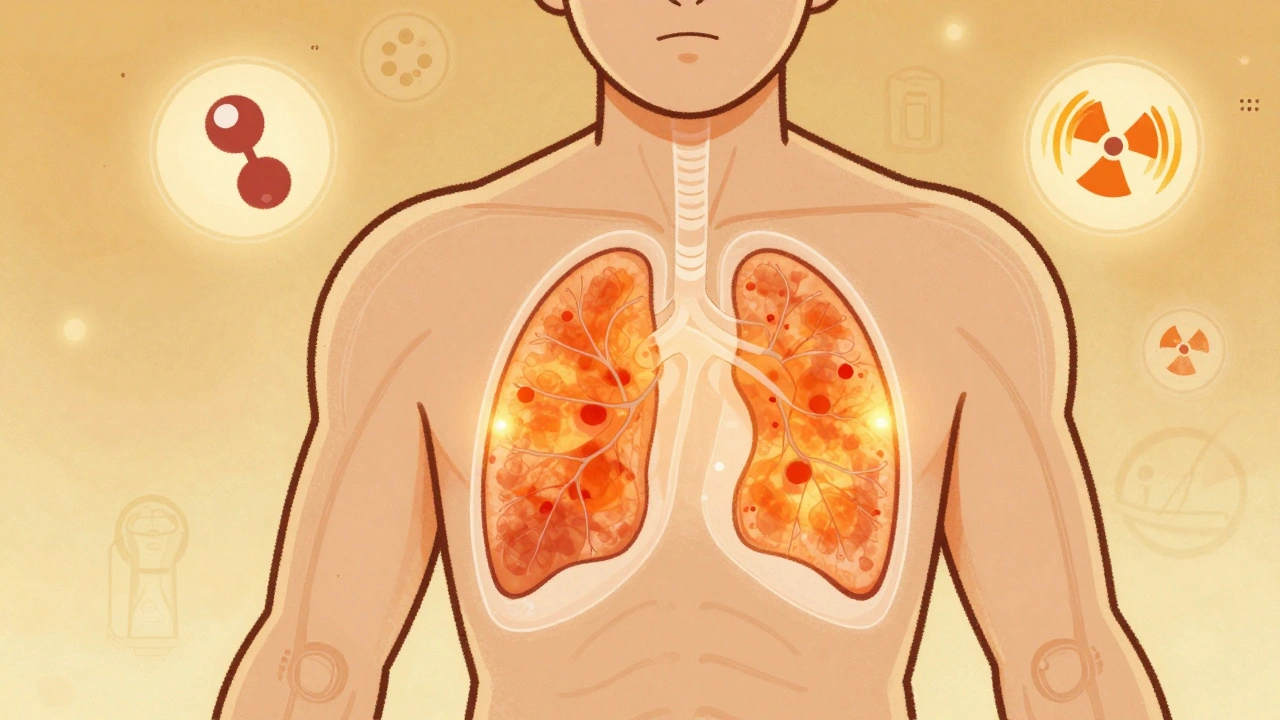
PET-CT, MRI, and PET-MRI each play distinct roles in cancer staging. Learn how experts choose the right imaging tool based on cancer type, location, and patient needs-without unnecessary radiation or cost.
Read more