
When you take a pill, you trust it will help—not hurt. But patient safety, the practice of preventing harm during medical care. Also known as healthcare safety, it's the quiet shield between you and dangerous mistakes. Too many people assume doctors and pharmacies have it all covered. They don’t. Every year, hundreds of thousands end up in hospitals because of preventable errors—wrong doses, bad interactions, unclear labels. This isn’t rare. It’s routine.
One big threat is drug interactions, when two or more medications react in harmful ways. Take antacids with antibiotics—some can cut absorption by 90%. Or tramadol for someone with seizures: it lowers the seizure threshold, even at normal doses. Then there’s adverse drug reactions, unintended, harmful effects from medicines taken correctly. Clopidogrel can cause dangerous bleeding. Statins might wreck your muscles. And if you have low vision or hearing loss, reading labels or hearing instructions becomes a gamble. These aren’t edge cases. They’re daily risks.
Good patient safety doesn’t mean waiting for your doctor to fix it. It means asking the right questions: Is this the right pill? Could it mess with my other meds? What happens if I skip a dose? What symptoms mean trouble? The posts below cover real situations—how sodium imbalances in kidney disease can sneak up on you, why timing your statin matters less than taking it daily, how to avoid antibiotic failure from antacids, and what to do if you’re blind or deaf and still need to take your meds safely. You’ll find guides on managing blood pressure drugs, spotting hidden dangers in painkillers, and understanding how even common supplements can backfire. This isn’t theory. It’s what works when your life is on the line.
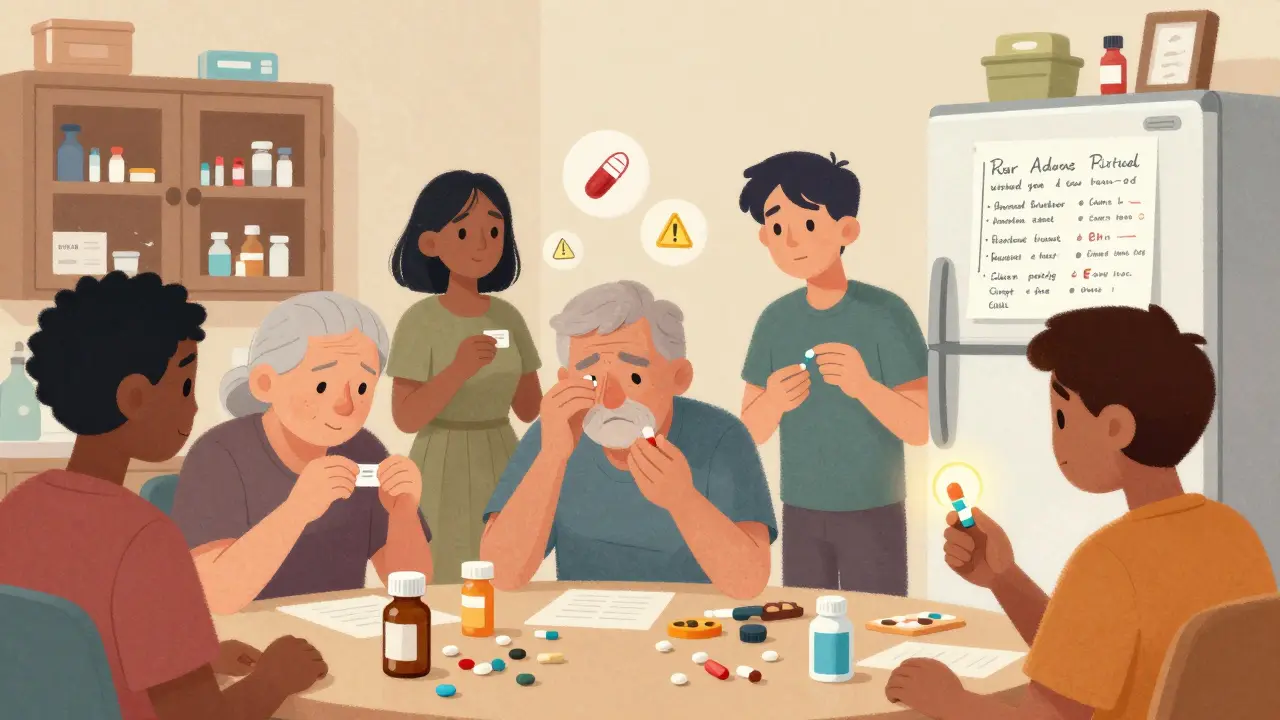
Medication errors harm over 1.5 million Americans yearly. Learn the real risks, deadliest drugs, and simple steps you can take right now to protect yourself from preventable harm.
Read more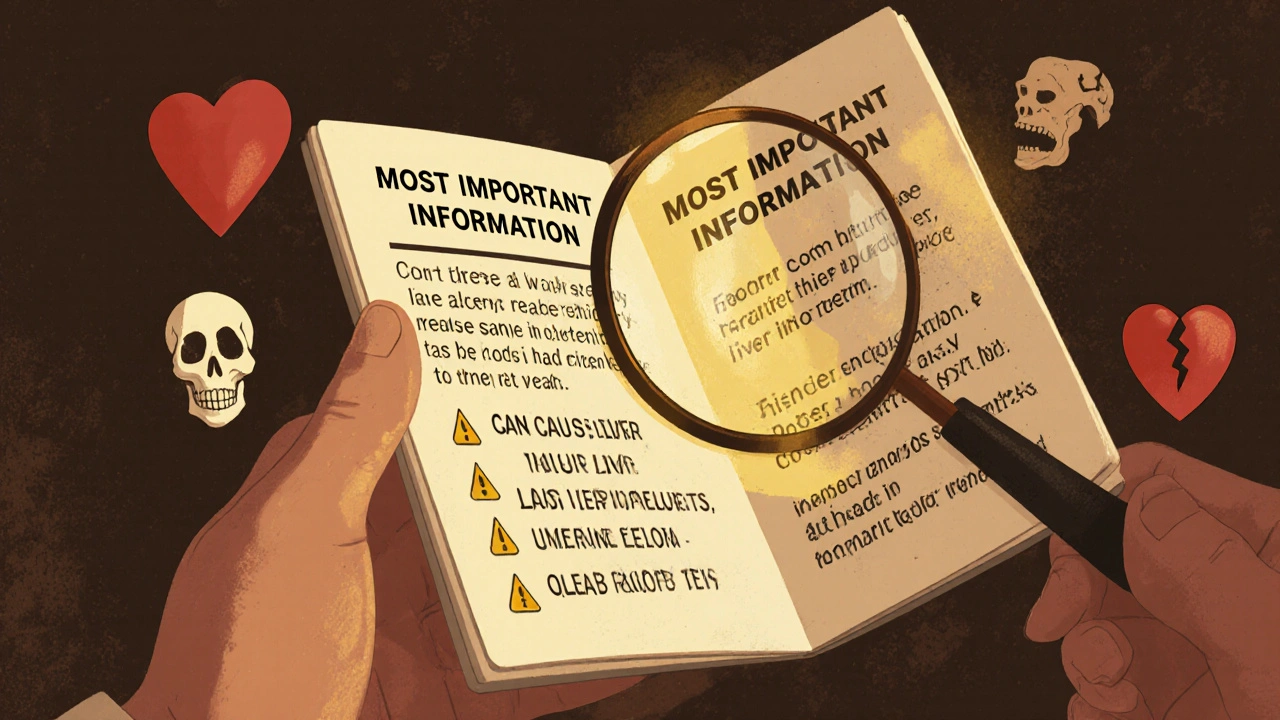
Learn how to read your medication guide to spot serious risks and monitoring requirements. Know what to look for, when to act, and how to stay safe with your prescription drugs.
Read more