
When doctors need to see not just PET-CT, a combined imaging technique that fuses metabolic activity with anatomical detail. Also known as positron emission tomography-computed tomography, it shows how tissues are functioning, not just what they look like. This isn’t just another scan—it’s a window into what’s happening inside your body at a cellular level.
PET-CT works by tracking a small amount of radioactive sugar injected into your bloodstream. Cancer cells, which burn sugar faster than normal cells, light up on the scan. At the same time, the CT part gives a detailed picture of where those hot spots are located—inside a lymph node, near a lung, or in the brain. This combo is why PET-CT is the gold standard for staging cancers like lymphoma, lung cancer, and melanoma. It’s also used to check if treatments are working, find hidden tumors after surgery, or tell if a lump is really cancer or just scar tissue.
It’s not just for cancer. Doctors use PET-CT to study heart disease by spotting areas of the heart muscle that aren’t getting enough blood. In Alzheimer’s and other dementia cases, it can show abnormal protein buildup before symptoms get bad. For epilepsy, it helps locate the exact spot in the brain where seizures start—something an MRI alone can’t always find. The scan doesn’t tell you everything, but it tells you the right things at the right time.
What you need to know before you go: You’ll fast for 4–6 hours. No caffeine or intense exercise the day before. The injection feels like a pinch. You wait about an hour while the tracer spreads. Then you lie still for 20–30 minutes while the machine scans you. No pain. No noise like an MRI. Most people walk out the same day. Side effects are rare—maybe a dry mouth or a slight headache.
It’s not perfect. False positives happen—some infections or inflammation can look like cancer. False negatives can occur with very small tumors or certain slow-growing cancers. That’s why doctors always look at PET-CT results with your symptoms, blood tests, and other scans. It’s one tool, not the whole toolbox.
What you’ll find below are real, practical guides on how PET-CT fits into broader health decisions—from understanding medication effects on imaging results, to managing diabetes before a scan, to knowing when to push for a second opinion. These aren’t theory pieces. They’re what patients and caregivers actually need to know to get the most from this powerful test.
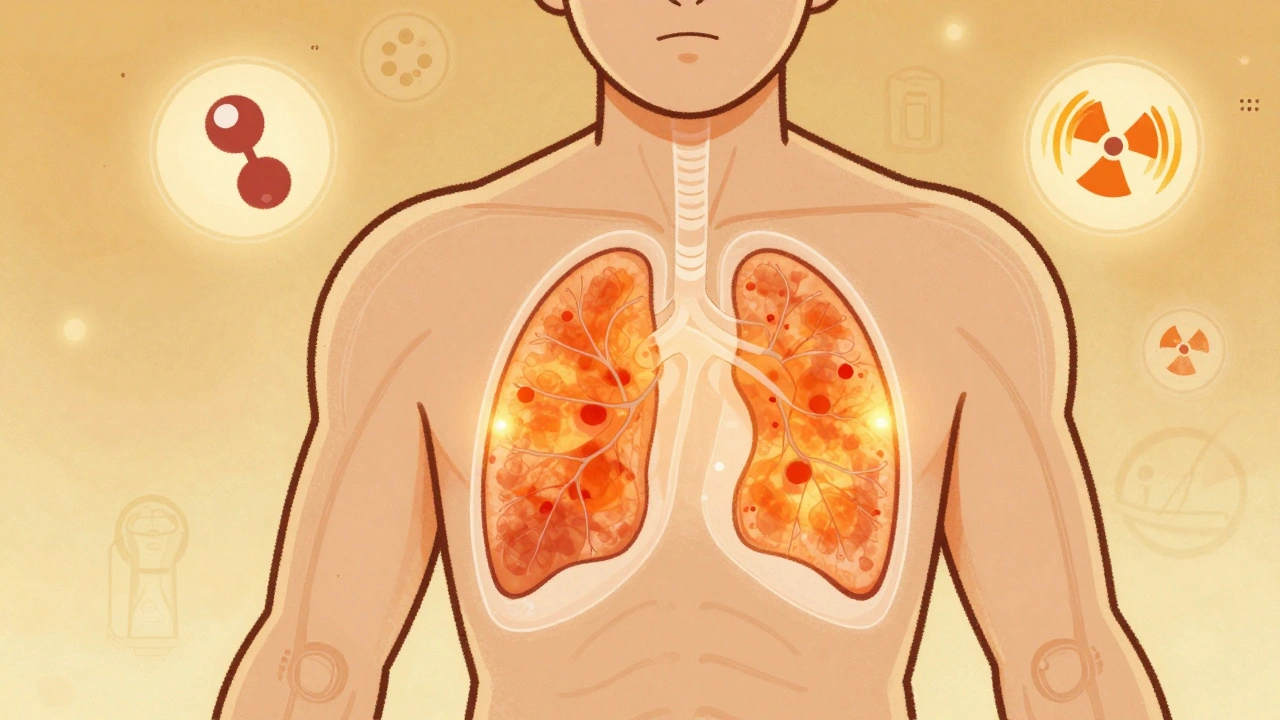
PET-CT, MRI, and PET-MRI each play distinct roles in cancer staging. Learn how experts choose the right imaging tool based on cancer type, location, and patient needs-without unnecessary radiation or cost.
Read more