
When planning a pregnancy, many people focus on folic acid, diet, and avoiding alcohol—but preconception TSH, the level of thyroid-stimulating hormone before pregnancy. Also known as thyroid screening before conception, it’s one of the most overlooked but critical checks for future moms. Your thyroid doesn’t just control your metabolism—it plays a direct role in ovulation, embryo implantation, and early fetal brain development. Even mild thyroid imbalances can increase the risk of miscarriage, preterm birth, or developmental delays in the baby.
Thyroid function, how well your thyroid gland produces and regulates hormones is tightly linked to reproductive health. Studies show that women with TSH levels above 2.5 mIU/L before conception have a higher chance of fertility issues and pregnancy complications—even if their levels fall within the "normal" range for non-pregnant adults. The American Thyroid Association recommends keeping preconception TSH between 0.1 and 2.5 mIU/L for optimal outcomes. That’s lower than the standard lab range you might see on a blood test, which often goes up to 4.5 or 5.0. If you’ve had thyroid problems before, or if you have symptoms like fatigue, weight gain, or irregular periods, getting your TSH checked is not optional—it’s essential.
Fertility, the ability to conceive and carry a pregnancy doesn’t just depend on ovaries and sperm. The thyroid acts like a silent conductor for your entire reproductive system. Low thyroid function can stop ovulation. High TSH can mess with progesterone and estrogen balance. And if you’re already on thyroid medication like levothyroxine, your dose often needs adjustment before you even try to get pregnant. Many women don’t realize their dose should be increased by 25–50% once pregnant, and waiting until after conception to adjust can be too late.
You don’t need to be a medical expert to act on this. If you’re thinking about having a baby, ask your doctor for a full thyroid panel—not just TSH, but also free T4 and thyroid antibodies. If you’ve had a previous miscarriage, unexplained infertility, or a family history of thyroid disease, push for testing even if you feel fine. Thyroid issues are common, often silent, and easily corrected with simple blood tests and medication.
Below, you’ll find real, practical advice from people who’ve been there—from how to interpret your lab results to what to do if your doctor dismisses your concerns. You’ll also learn how thyroid health connects to other areas like medication safety, pregnancy risks, and long-term wellness. This isn’t theoretical. These are the tools and insights that help real people have healthier pregnancies.
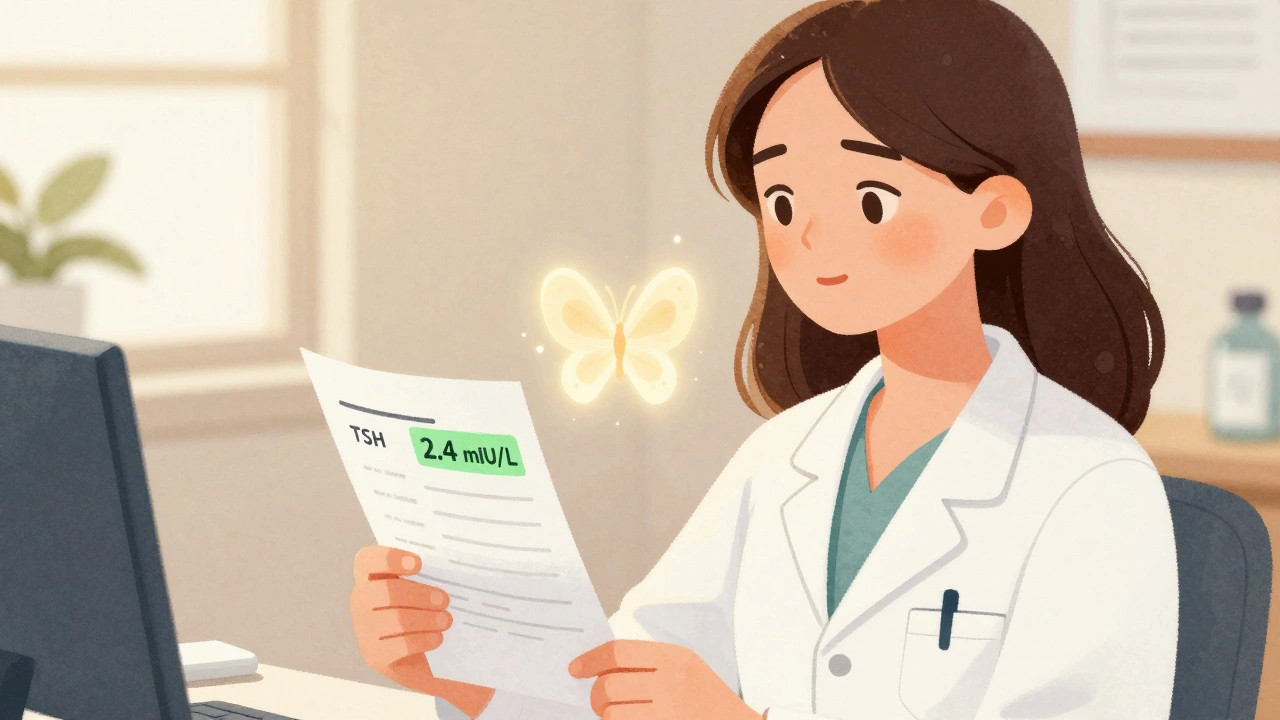
Before trying to conceive, women should aim for a TSH level below 2.5 mIU/L to support fertility and reduce miscarriage risk. This guide explains why, who needs testing, and how to manage thyroid health with levothyroxine.
Read more