
When your heart’s electrical cycle takes too long to reset after each beat, it’s called QT prolongation, a delay in the heart’s repolarization phase that can trigger life-threatening arrhythmias. Also known as long QT syndrome, it’s not always genetic—often, it’s caused by the medications you’re taking. This isn’t just a lab number. It’s a silent warning sign that could lead to torsades de pointes, a type of irregular heartbeat that can cause fainting, seizures, or sudden death.
Many common drugs can trigger QT prolongation. Antibiotics like ciprofloxacin, a fluoroquinolone antibiotic known to interfere with heart rhythm, antifungals, antidepressants like bupropion, an NDRI linked to increased risk of cardiac arrhythmias at higher doses, and even some antacids can mess with your heart’s timing. It’s not just about one drug—it’s about combinations. Mixing a QT-prolonging drug with something that lowers potassium or magnesium? That’s when the danger spikes. People with kidney disease are especially at risk because their bodies can’t clear these drugs properly, and electrolyte imbalances like hyponatremia, a low sodium level that disrupts cellular electrical activity or low potassium make the heart even more unstable.
What makes this tricky is that you might not feel anything until it’s too late. No chest pain. No dizziness. Just a sudden collapse. That’s why monitoring matters—if you’re on a drug known to affect QT, your doctor should check your ECG before and after starting it. And if you’re taking multiple meds, especially for conditions like high blood pressure, depression, or infections, you need to know what’s in the mix. The good news? You can reduce your risk. Avoid alcohol and diuretics if you’re on a risky drug. Keep your electrolytes balanced. Don’t skip meals. And if you’ve ever fainted for no reason, tell your doctor—it could be the first clue.
Below, you’ll find real-world guides that break down exactly which drugs are most likely to cause this issue, how to spot the warning signs before it’s an emergency, and what to do if you’re already on a medication that affects your heart rhythm. These aren’t theory pieces—they’re practical, patient-tested advice from people who’ve been there.

Antipsychotics can prolong the QT interval, raising the risk of dangerous heart rhythms. Learn which drugs carry the highest risk, how to monitor for danger, and how to balance mental health treatment with heart safety.
Read more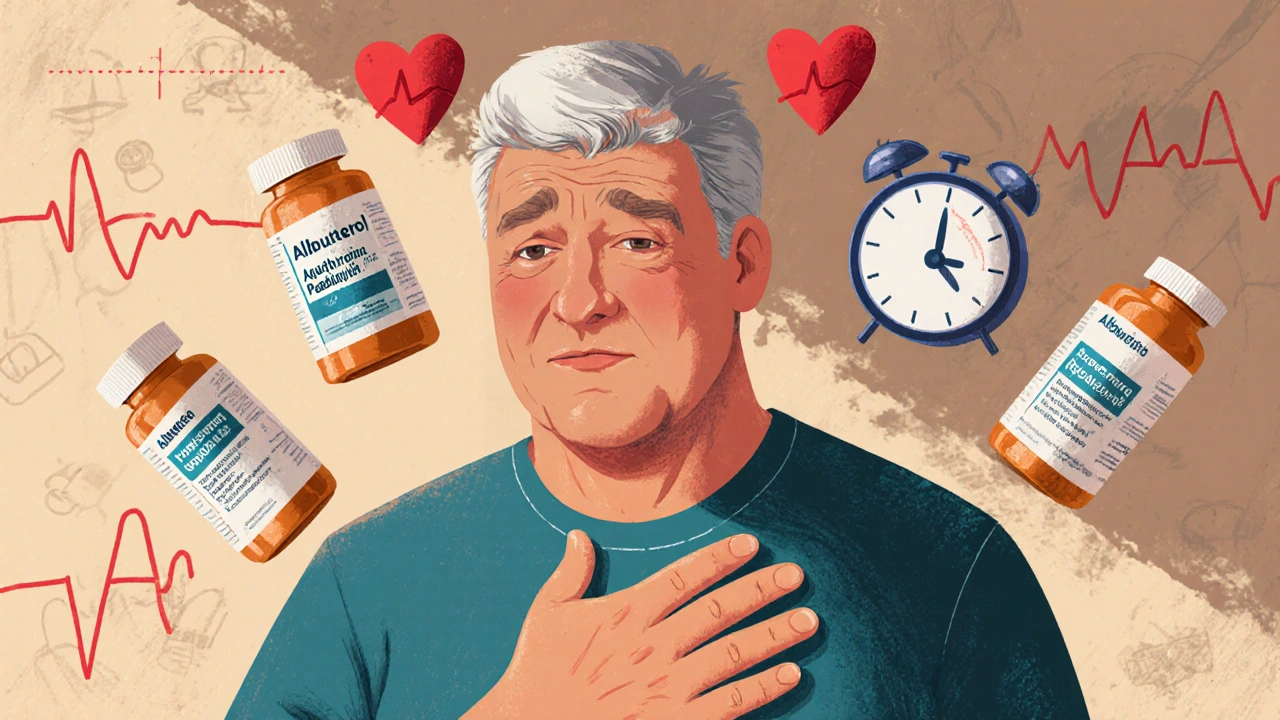
Many common medications - from antibiotics to thyroid pills - can cause palpitations and rapid heartbeat. Learn which drugs are most likely to trigger heart rhythm issues, how doctors evaluate them, and what steps you can take to stay safe.
Read more