
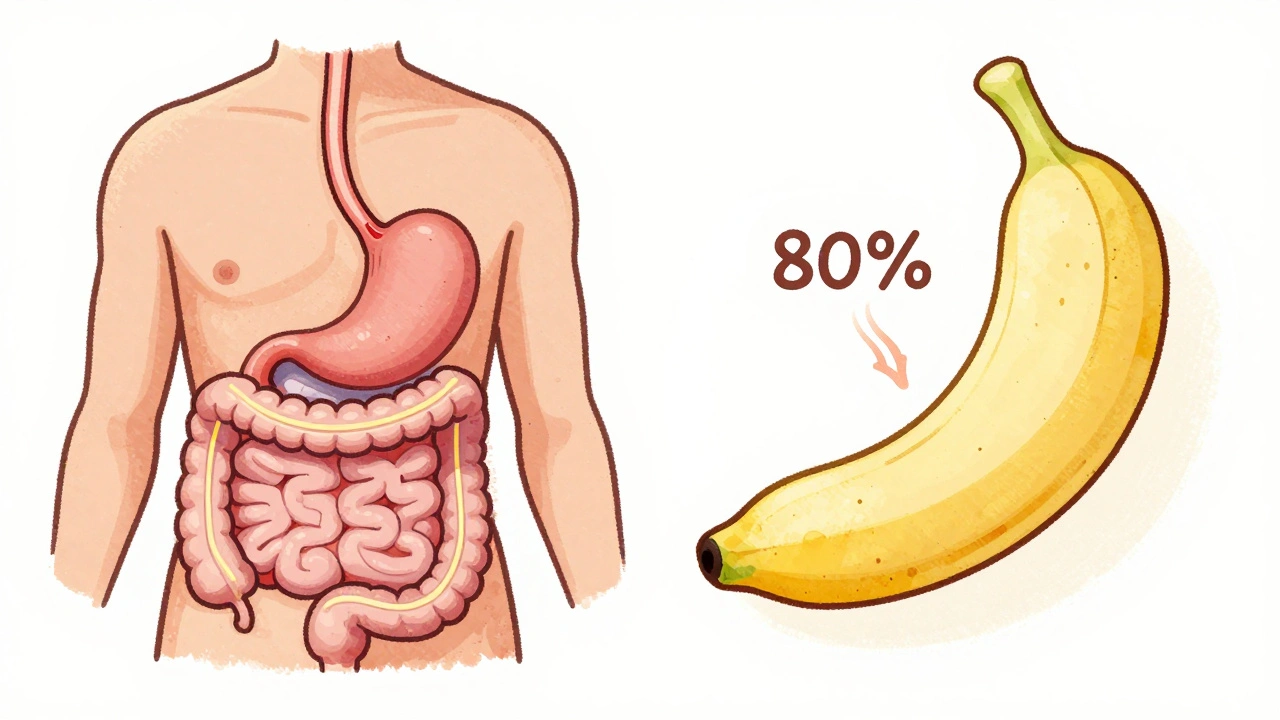
When you hear sleeve gastrectomy, a type of weight loss surgery that removes about 80% of the stomach, leaving a narrow tube-shaped pouch. Also known as gastric sleeve, it’s one of the most common bariatric surgery procedures in the U.S. today. Unlike gastric bypass, it doesn’t reroute your intestines—just makes your stomach smaller. That means fewer complications, faster recovery, and still powerful results for people struggling with obesity-related health issues.
This procedure isn’t just about shrinking your stomach. It also removes the part that makes ghrelin, the hunger hormone. So after surgery, many people feel less hungry, crave fewer high-calorie foods, and naturally eat smaller portions. That’s why it works so well for people with type 2 diabetes, high blood pressure, or sleep apnea—conditions that often improve or even disappear after surgery. But it’s not a magic fix. Success depends on what you do afterward. You’ll need to stick to a new way of eating, take vitamins for life, and stay active. It’s a tool, not a shortcut.
People who qualify usually have a BMI over 40, or over 35 with serious health problems like diabetes or heart disease. Some insurers require proof you’ve tried other weight loss methods first. And while the surgery itself is safe for most, it’s still major surgery. You’ll need to be ready for changes in your body, your routine, and even your relationships. That’s why so many posts here focus on what comes next: managing medications after surgery, avoiding nutrient deficiencies, tracking progress, and dealing with side effects like nausea or dumping syndrome.
You’ll find real advice here on how to handle post-op nutrition, what supplements you absolutely need, how to avoid common mistakes like drinking with meals, and why protein intake is non-negotiable. There’s also guidance on how to work with your doctor to adjust medications—especially if you’re on blood thinners, diabetes drugs, or antidepressants. Many people don’t realize how much their meds need to change after their stomach shrinks. And if you’re worried about loose skin, fatigue, or emotional eating after surgery, you’re not alone. The posts below cover those tough conversations too.
What you won’t find here are miracle claims or quick fixes. Just clear, practical info from people who’ve been through it, and experts who know what actually works. Whether you’re considering sleeve gastrectomy, just had it, or are helping someone who did—you’ll find something useful below.
Gastric bypass and sleeve gastrectomy are the two leading weight loss surgeries. Learn how they differ in weight loss, risks, recovery, and long-term outcomes to make the best choice for your health.
Read more