
When planning a pregnancy, TSH, thyroid-stimulating hormone, a key regulator of thyroid function that tells your thyroid how much hormone to produce. Also known as thyroid stimulating hormone, it’s one of the first blood tests your doctor should check before you try to conceive. Most people focus on folic acid, ovulation, or sperm health—but if your TSH is out of range, even slightly, it can make it harder to get pregnant or increase risks once you are.
Thyroid problems are more common in women than you might think, especially around childbearing age. A TSH level above 2.5 mIU/L before conception is linked to lower pregnancy rates and higher miscarriage risk, according to guidelines from reproductive endocrinology societies. That’s lower than the normal range used for non-pregnant adults (usually up to 4.5 or 5.0), because your body needs more thyroid hormone during early pregnancy—even before you know you’re pregnant. Your thyroid has to work harder to support both you and the developing baby, and if it’s already struggling, it can’t keep up.
This isn’t just about feeling tired or gaining weight. Low thyroid function can mess with ovulation, disrupt menstrual cycles, and affect egg quality. High TSH is often tied to autoimmune thyroid disease, a condition where the immune system attacks the thyroid, commonly seen as Hashimoto’s thyroiditis, which is the leading cause of hypothyroidism in women of reproductive age. If you’ve had a miscarriage, irregular periods, or a family history of thyroid issues, testing TSH isn’t optional—it’s essential.
And it’s not just about the number. You also need to check for thyroid antibodies, proteins that signal your immune system is targeting your thyroid, even if TSH looks normal. Some women have normal TSH but high antibodies—and still face higher risks. Treating early with a low dose of levothyroxine can make a big difference. Many women who struggled to conceive or lost pregnancies before found success after their thyroid was properly managed.
What you’ll find in the posts below isn’t just theory. These are real, practical guides from people who’ve been there: how to interpret your TSH results, what medications to avoid while trying to conceive, how to track your levels over time, and what to ask your doctor if they dismiss your concerns. You’ll also learn how thyroid function connects to other common issues like iron deficiency, PCOS, and even medication interactions that can throw your hormones off balance. This isn’t about panic—it’s about taking control with clear, science-backed steps before you start trying.
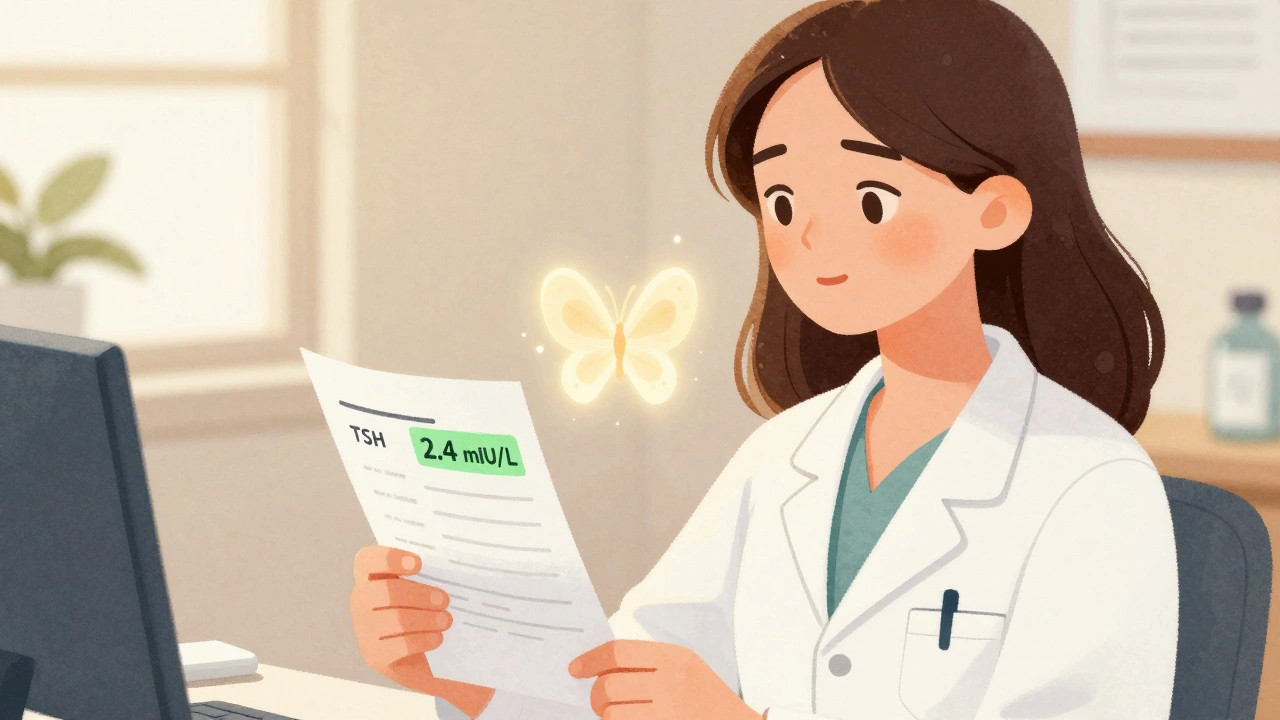
Before trying to conceive, women should aim for a TSH level below 2.5 mIU/L to support fertility and reduce miscarriage risk. This guide explains why, who needs testing, and how to manage thyroid health with levothyroxine.
Read more