
When you're pregnant, your body changes in ways you can't always feel—like how your TSH, Thyroid Stimulating Hormone, a key regulator of thyroid function needs to behave differently. Unlike in non-pregnant adults, where a normal TSH range is 0.4 to 4.0 mIU/L, pregnancy demands tighter control. The American Thyroid Association recommends TSH levels stay below 2.5 mIU/L in the first trimester, and between 0.3 and 3.0 mIU/L for the rest of pregnancy. Why? Because your baby relies on your thyroid hormones during the first 12 weeks, before its own thyroid even kicks in.
Low or high TSH during pregnancy isn't just a lab number—it's linked to real risks. Too high, and you might face miscarriage, preterm birth, or lower IQ scores in your child. Too low, and you could trigger maternal heart issues or gestational hypertension. Many women don’t know they have thyroid problems until they’re pregnant, especially if symptoms like fatigue or weight gain are blamed on pregnancy itself. That’s why screening is critical, especially if you have a history of thyroid disease, type 1 diabetes, or autoimmune conditions like Hashimoto’s. Even if you’ve never had thyroid issues before, your doctor should check your TSH early in pregnancy, often at your first prenatal visit.
Managing TSH during pregnancy isn’t about guesswork. It’s about tracking, adjusting, and staying consistent. If you’re on levothyroxine before pregnancy, your dose often needs to increase by 25–50% as soon as you confirm you’re pregnant. That’s because your body’s demand for thyroid hormone jumps fast—sometimes within weeks. And it’s not just about the first trimester. TSH levels can shift again in the second and third trimesters, so follow-up tests every 4–6 weeks are standard. Most women stabilize by mid-pregnancy, but skipping a test because you "feel fine" can be risky. Your thyroid doesn’t send pain signals—it just quietly affects your baby’s brain development.
After delivery, your TSH targets change again. Many women need to drop back to their pre-pregnancy dose, but not all. Some develop postpartum thyroiditis, where TSH swings wildly without warning. That’s why a follow-up test at 6 weeks postpartum is often recommended, even if you feel great. And if you’re planning another pregnancy later, knowing your baseline TSH now helps you get ahead of the curve.
What you’ll find below are real, practical guides from doctors and patients who’ve walked this path. From how to interpret your lab results to what to ask your endocrinologist, these posts cut through the noise. You’ll learn how thyroid meds interact with prenatal vitamins, why some women need more frequent blood tests, and how to spot early signs your dose might be off. No fluff. Just what works.
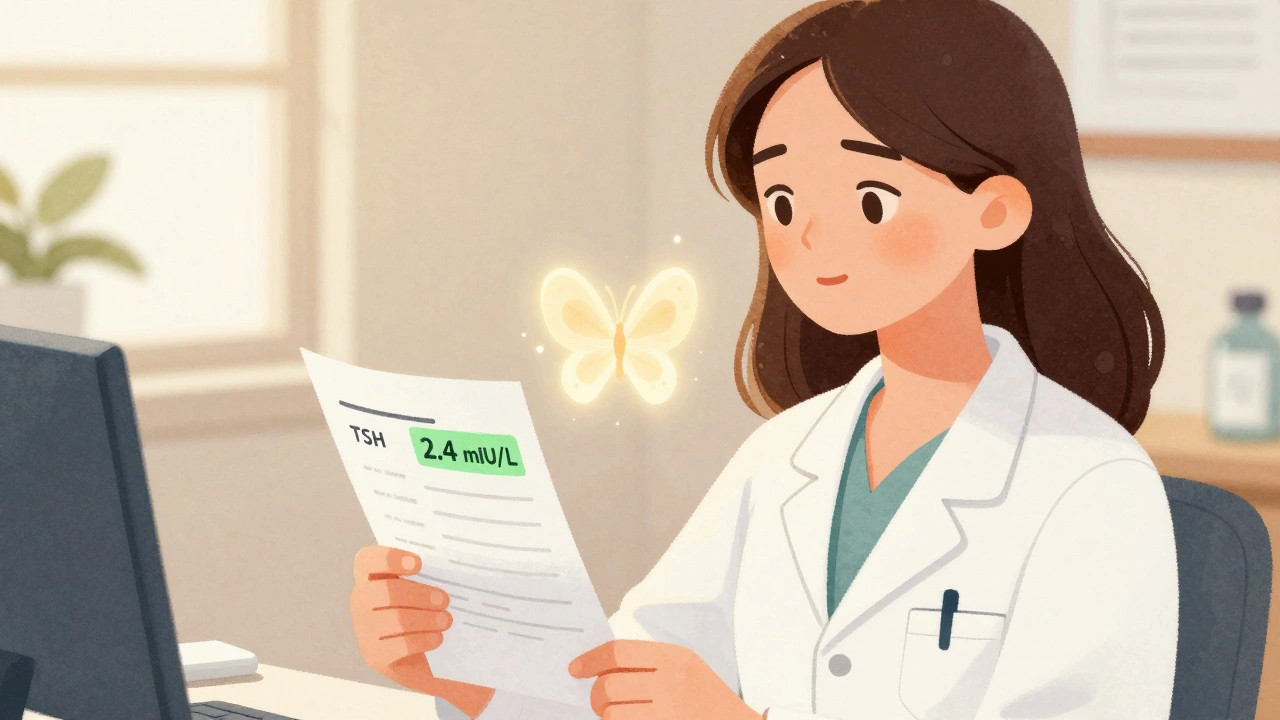
Before trying to conceive, women should aim for a TSH level below 2.5 mIU/L to support fertility and reduce miscarriage risk. This guide explains why, who needs testing, and how to manage thyroid health with levothyroxine.
Read more