
When you take warfarin, a blood thinner used to prevent clots in people with atrial fibrillation, deep vein thrombosis, or artificial heart valves. Also known as Coumadin, it works by slowing down your body’s ability to form clots. But when you add certain antibiotics, medications used to treat bacterial infections like pneumonia, urinary tract infections, or skin infections, things can go wrong fast. Even a short course can throw off your INR levels and lead to serious bleeding.
Not all antibiotics affect warfarin the same way. Some, like ciprofloxacin, a fluoroquinolone antibiotic often used for urinary and respiratory infections, can boost warfarin’s effect by slowing how fast your liver breaks it down. Others, like metronidazole, used for vaginal, dental, or abdominal infections, do the same thing—sometimes dangerously so. On the flip side, antibiotics like rifampin, a drug used for tuberculosis and some skin infections, can make warfarin less effective, increasing your risk of clots. These aren’t just theoretical risks. Studies show patients on warfarin who start ciprofloxacin are three times more likely to have a major bleed within the first week.
What makes this even trickier is that you might not feel anything until it’s too late. No dizziness, no bruising—just a sudden nosebleed, dark stool, or a headache that won’t quit. That’s why doctors check your INR before and after starting an antibiotic. If you’re on warfarin and your doctor prescribes an antibiotic, ask: "Is this one known to interact with blood thinners?" If they say yes, make sure your INR is tested within 2–3 days. Don’t wait for symptoms. And never stop or change your warfarin dose on your own, even if you think the antibiotic is "just for a few days."
The posts below cover real-world cases and practical steps to stay safe. You’ll find guides on how to track your INR changes, what to do when your pharmacist flags a drug interaction, how to spot early signs of bleeding, and which antibiotics are safest when you’re on warfarin. There’s also advice on using medication calendars and reading your drug guides to catch hidden risks before they become emergencies. This isn’t guesswork—it’s about knowing exactly what to ask, when to test, and how to protect yourself when two common medications collide.
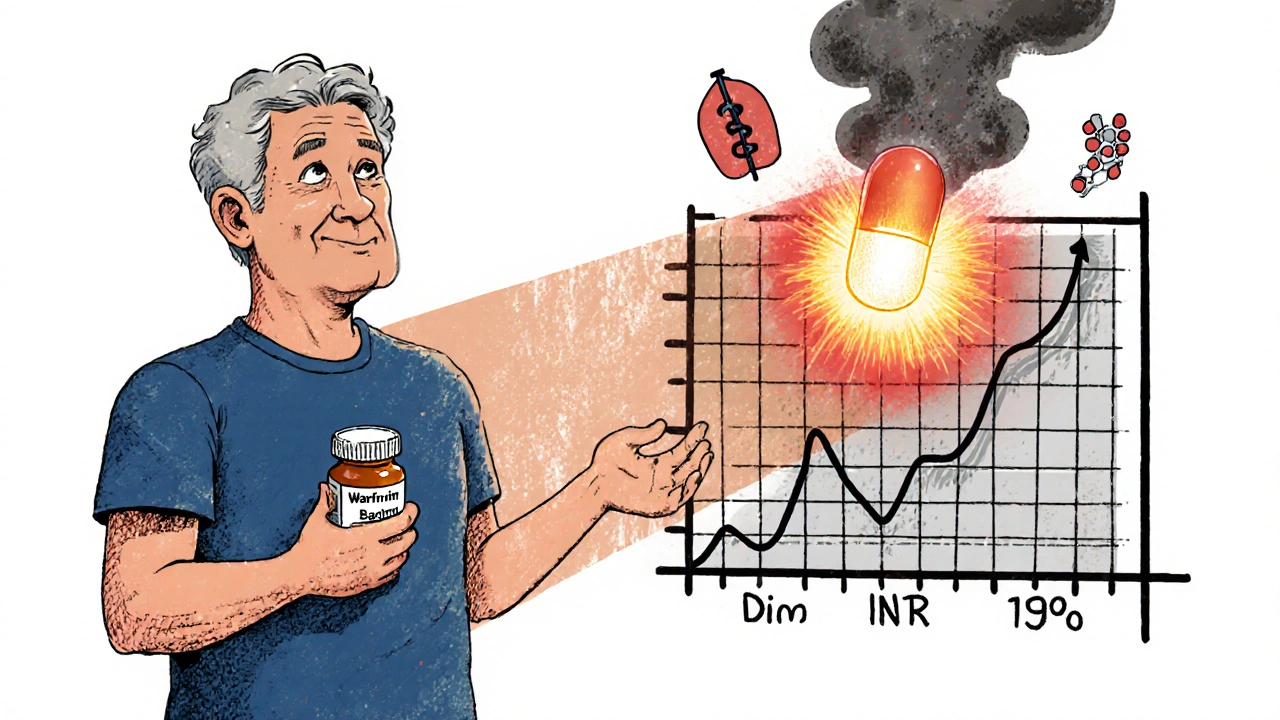
Warfarin and antibiotics can interact dangerously, raising your risk of bleeding. Learn which antibiotics are high-risk, how to monitor your INR, and what to do when you need antibiotics while on warfarin.
Read more