
When you take warfarin, a blood thinner used to prevent dangerous clots in people with atrial fibrillation, artificial heart valves, or a history of deep vein thrombosis. Also known as Coumadin, it saves lives—but it demands attention. Warfarin doesn’t just thin your blood; it changes how your body responds to food, other medicines, and even minor injuries. One wrong move, and you could bleed too much—or worse, form a clot anyway.
Warfarin side effects aren’t rare. The most serious one is bleeding—sometimes inside your brain, stomach, or joints. You might notice it as unusual bruising, nosebleeds that won’t stop, red or dark urine, or black, tarry stools. But it’s not just about bleeding. Warfarin interacts with INR monitoring, a blood test that measures how long it takes your blood to clot. If your INR is too low, the clot risk goes up. Too high, and you’re at risk of internal bleeding. That’s why regular blood tests aren’t optional—they’re your safety net. And then there are warfarin interactions, how other drugs and supplements change how warfarin works in your body. Antibiotics, painkillers like ibuprofen, even herbal supplements like garlic or ginkgo can push your INR out of range. Some foods do too—especially leafy greens rich in vitamin K. You don’t have to avoid them, but you must keep your intake steady. A sudden salad binge one week and none the next? That’s a recipe for trouble.
People on warfarin often feel like they’re walking a tightrope. One study found that nearly 1 in 5 patients on warfarin had a major bleeding event within five years—not because they were careless, but because the system around them wasn’t set up for consistency. That’s why so many of the posts here focus on practical safety: medication calendars, reminder apps, reading labels, avoiding look-alike pills, and tracking what you take. These aren’t just tips—they’re survival tools. You’re not alone in this. Thousands manage warfarin safely every day, but it takes routine, awareness, and a little help from smart systems. Below, you’ll find real guides on how to avoid common mistakes, what to ask your pharmacist, how to handle missed doses, and how to talk to your doctor when something feels off. This isn’t theory. It’s what works.
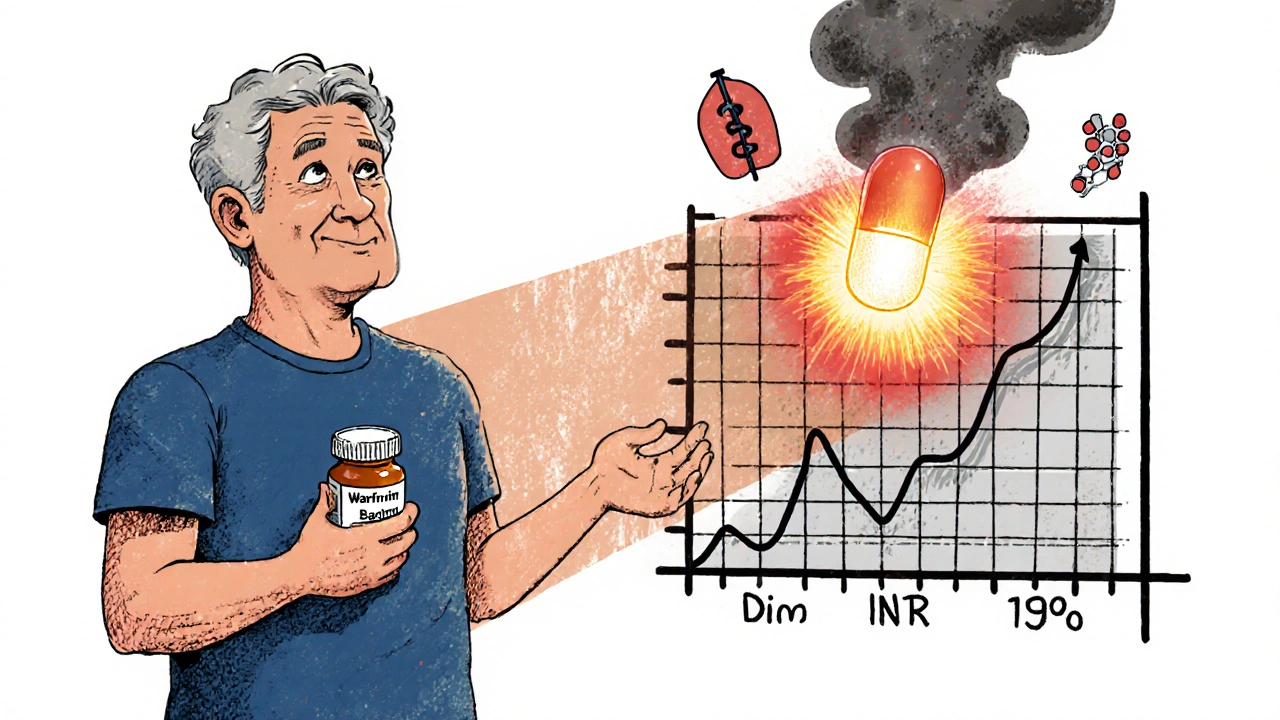
Warfarin and antibiotics can interact dangerously, raising your risk of bleeding. Learn which antibiotics are high-risk, how to monitor your INR, and what to do when you need antibiotics while on warfarin.
Read more