
When we talk about weight loss surgery, a set of medical procedures designed to help people with severe obesity lose weight by changing how the stomach and intestines process food. Also known as bariatric surgery, it's not a cosmetic choice—it's a treatment for a chronic disease that affects the heart, liver, joints, and even mental health. Unlike diets or pills, these procedures physically alter your body’s ability to eat and absorb calories, giving you a real shot at long-term weight loss when other methods have failed.
There are a few main types of weight loss surgery, medical interventions that reduce stomach size or reroute the digestive tract to limit food intake and nutrient absorption. The most common include sleeve gastrectomy, where a large part of the stomach is removed to create a smaller tube-shaped pouch, and gastric bypass, which connects the stomach directly to the small intestine, skipping part of the digestive tract. Each has different risks, benefits, and recovery times. Not everyone qualifies—most patients need a BMI over 40, or over 35 with serious health problems like type 2 diabetes, high blood pressure, or sleep apnea. These aren’t magic fixes. Success depends on lifelong changes: eating smaller meals, taking vitamins, staying active, and attending follow-ups. People who stick with the plan often lose 50% to 70% of their excess weight and see major improvements in conditions like diabetes and joint pain.
It’s not just about the scale. Many patients report better sleep, more energy, and less depression after surgery. But it’s also a big commitment. You’ll need to adjust how you think about food, deal with changes in your body, and sometimes face social pressure or misunderstandings from people who don’t get why you chose this path. That’s why support groups, nutritionists, and mental health check-ins are part of the process—not optional extras.
Below, you’ll find real-world guides on how to prepare for surgery, what to expect during recovery, how medications interact with your new digestive system, and how to avoid common mistakes that lead to weight regain. These aren’t generic tips—they’re the kind of practical, science-backed advice people wish they’d known before walking into the hospital.
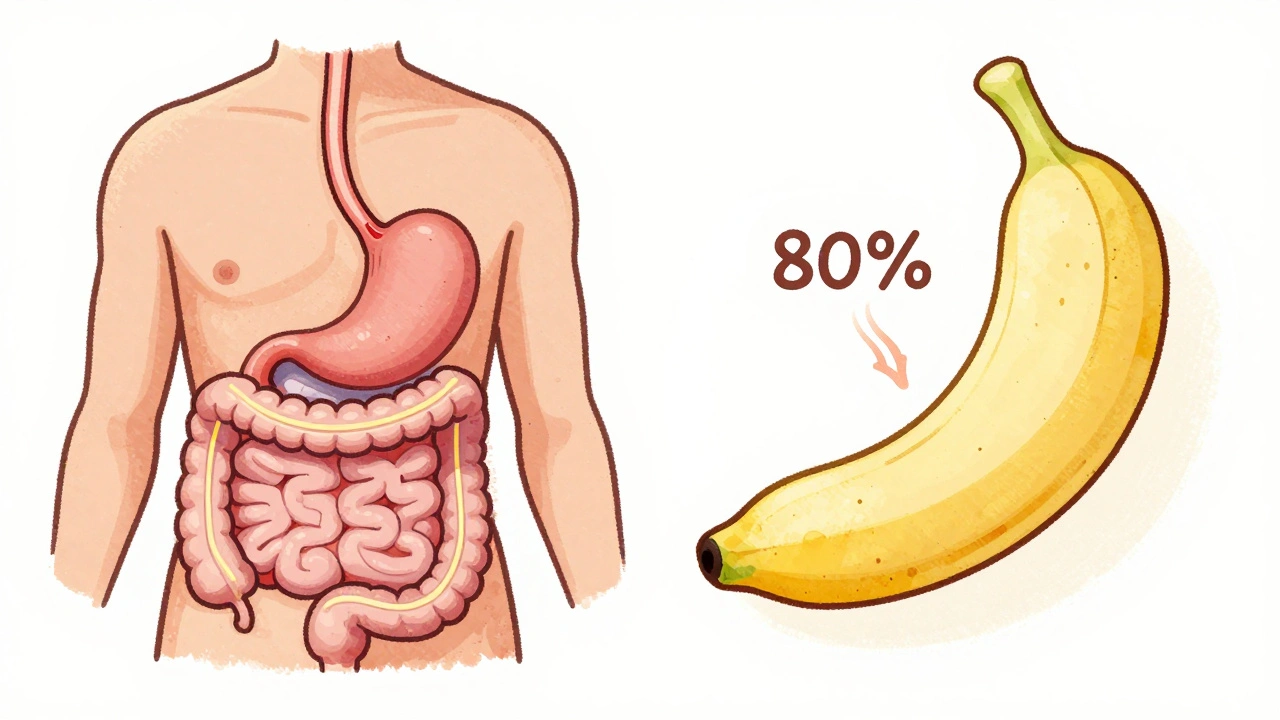
Gastric bypass and sleeve gastrectomy are the two leading weight loss surgeries. Learn how they differ in weight loss, risks, recovery, and long-term outcomes to make the best choice for your health.
Read more