
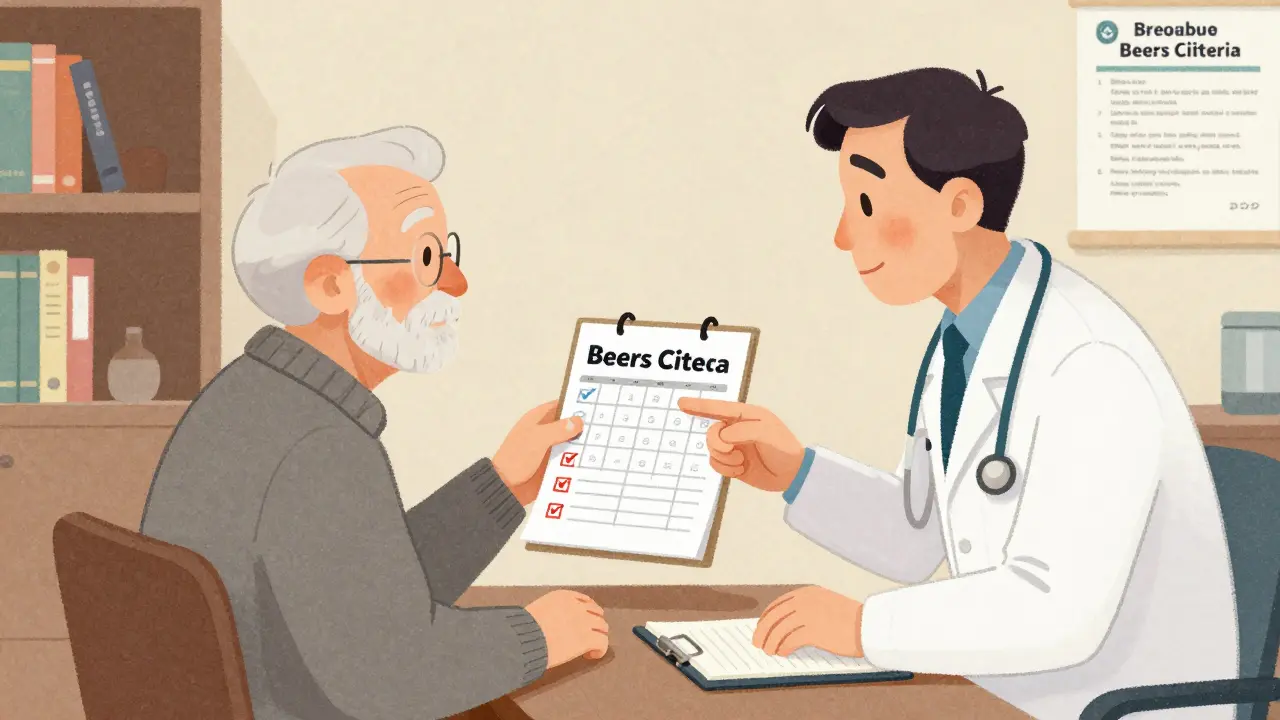
Many older adults take five, six, or even more medications every day. Some were prescribed years ago for conditions that have changed-or disappeared. Others cause dizziness, confusion, or fatigue that make daily life harder. Yet few people ever ask if they can stop taking them. The truth is, deprescribing-the careful, step-by-step process of reducing or stopping medications that no longer help-isn’t just safe. It’s often the best way to feel better.
Why Deprescribing Matters More Than You Think
Taking too many medications doesn’t mean you’re being thorough. It means you’re at risk. About 15% of seniors on five or more drugs experience harmful side effects like falls, memory problems, or kidney stress. These aren’t rare accidents. They’re predictable outcomes of outdated or overlapping prescriptions. One study found that nearly 70% of older adults would welcome fewer pills-if their doctor brought it up first. But most doctors don’t. That’s why you need to start the conversation.Don’t Say ‘I Want Fewer Pills’
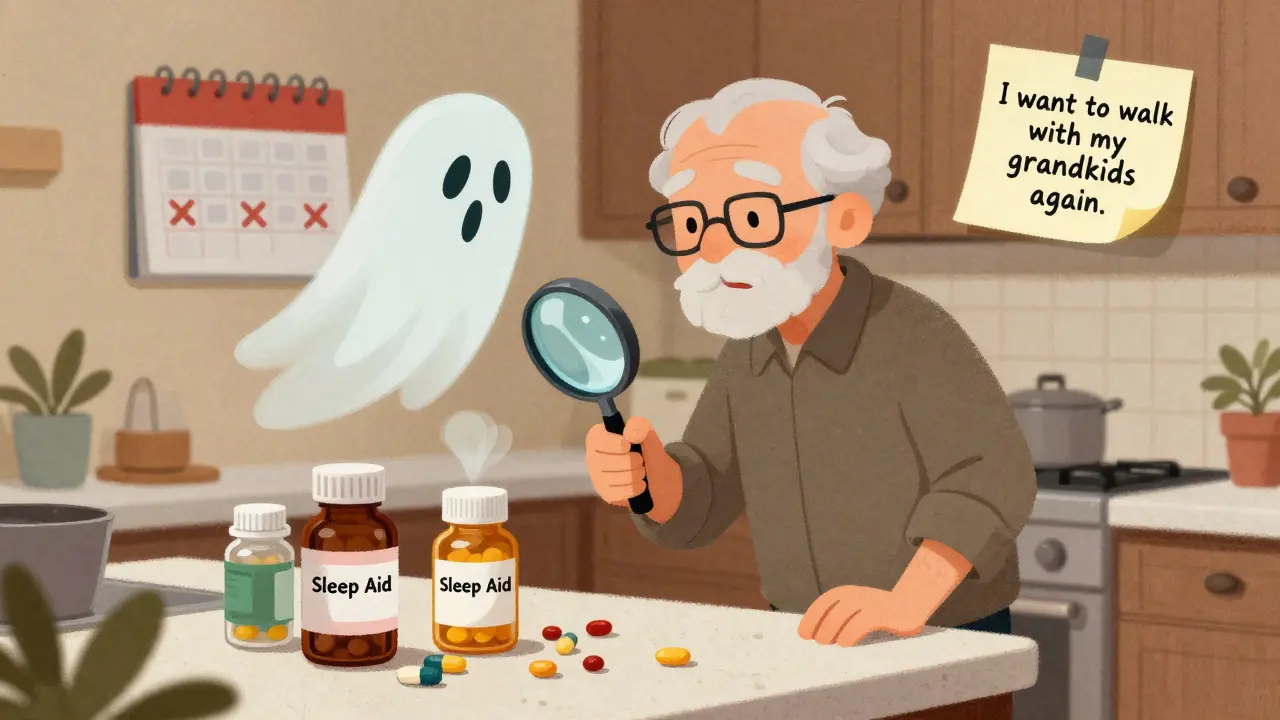
Saying ‘I want to take fewer pills’ often leads to a dead end. Doctors hear that all the time-and they’re trained to focus on disease markers, not how you feel. If you say you want fewer medications, they might respond with, ‘But your blood pressure is still high,’ or ‘Your cholesterol is out of range.’ That shuts down the conversation before it begins. Instead, talk about your life. Say things like:- ‘I’ve been feeling dizzy after I take my afternoon pill-I nearly fell last week.’
- ‘I used to walk to the park with my grandkids. Now I’m too tired to even get out of the chair.’
- ‘I’m taking eight pills a day. I can’t remember which ones are for what.’
Prepare Before Your Appointment
Walking into a doctor’s office without a plan is like showing up to a car repair with no idea what’s wrong. You need to be ready. Start by making a full list of everything you take. Don’t forget:- Prescription drugs
- Over-the-counter painkillers (like ibuprofen or naproxen)
- Vitamins, herbs, or supplements (even ‘natural’ ones)
- Medications you stopped but still have in the cabinet
- ‘After taking my sleep pill, I wake up groggy and forget where I put my keys.’
- ‘My stomach burns every morning after I take the aspirin.’
- ‘I’ve had three near-falls in the last month-right after I took my blood pressure medicine.’
Use the Ask-Tell-Ask Method
This simple technique works every time. It turns a one-sided lecture into a real conversation.- Ask: ‘What’s your view on how my medications are working for me right now?’
- Tell: ‘I’ve noticed I’m more tired than before, and I’ve had two falls. I’m worried these pills might be doing more harm than good.’
- Ask: ‘What would be the safest way to test if we could reduce one of these?’
Expect a Slow Process
No one should stop a medication cold turkey-especially if it’s been taken for years. Deprescribing isn’t about quitting. It’s about adjusting. Most successful cases involve cutting doses by 25% every few weeks, then watching for changes. Your doctor might suggest a ‘drug holiday’-taking a break for a week or two-to see how you feel without it. Ask: ‘If we reduce this, what signs should I watch for?’ Some medications cause rebound effects-like higher blood pressure or worse sleep-when stopped too fast. Others cause withdrawal symptoms like anxiety or shaking. You need to know what’s normal and what’s dangerous. Bring a notebook to track how you feel each day. Note energy levels, balance, sleep, appetite, and mood. This gives your doctor real data-not just your word.Bring Printed Info-It Helps
Doctors are busy. Many haven’t had formal training in deprescribing. That’s why bringing a one-page summary from a trusted source can make a big difference. The Canadian Deprescribing Network has free, evidence-based guides for common drug classes: antipsychotics, benzodiazepines, proton pump inhibitors, statins, and diabetes meds. Print one page for the medication you’re concerned about. Hand it to your doctor and say, ‘I found this. Does this match what you’re seeing with me?’ Studies show patients who bring this kind of material are 33% more likely to have a medication reduced. It doesn’t mean you’re telling them what to do. It means you’re helping them do their job better.What If They Say No?
Sometimes, doctors say no. Maybe they’re worried about your blood pressure, or they think the medication is protecting you from a heart attack. That’s okay. Don’t argue. Say:- ‘Can we try a smaller dose for a month and check back?’
- ‘Could we monitor my balance and energy over the next six weeks?’
- ‘Would you be open to a second opinion from a geriatric pharmacist?’

It’s Not About Cutting Corners
Some people worry that reducing medications means your doctor is giving up on you. That’s a dangerous myth. In fact, the opposite is true. Deprescribing is one of the most caring things a doctor can do. It’s not about saving money. It’s about protecting your health. A 2023 study found that 63% of caregivers thought cost-based reasons for stopping meds meant ‘less care.’ But when doctors explained that stopping a risky drug could prevent a fall, hospital stay, or brain injury, that fear dropped by 70%. Your goal isn’t to be cheaper. It’s to be safer.What’s Changed in 2025?
Medicare now requires doctors to review medications during your Annual Wellness Visit. Electronic health records automatically flag risky prescriptions for seniors. The CDC’s ‘Right Size My Meds’ campaign has reached over 12 million older adults in the U.S. and Australia. More doctors are learning how to do this. But they still need you to lead the way. The biggest barrier isn’t medical. It’s silence. Most seniors don’t speak up because they fear being seen as difficult. But research shows that 92% of doctors say deprescribing goes better when the patient starts the conversation. You’re not being pushy. You’re being smart.Your Next Step
This week, do three things:- Write down every pill, supplement, and OTC drug you take.
- Circle the ones that make you feel worse-dizzy, tired, confused, or unsteady.
- Write one sentence: ‘I want to feel well enough to [do something meaningful].’
Is deprescribing safe?
Yes, when done properly. Deprescribing means gradually reducing or stopping medications under medical supervision. Studies show it reduces falls, confusion, and hospital visits in seniors. The key is never stopping suddenly. Always work with your doctor to taper doses safely.
What if I stop a medication and my condition gets worse?
That’s why deprescribing is done slowly. Your doctor will set up a monitoring plan-like checking your blood pressure or balance weekly. If symptoms return, you can restart the medication. Most people don’t get worse. In fact, many feel better once they stop drugs that were causing side effects.
Can I stop taking my blood pressure or diabetes meds?
Possibly-but only with close monitoring. Some seniors on multiple blood pressure meds end up with dangerously low readings. Others with type 2 diabetes can reduce or stop insulin if they improve diet or activity. But these decisions require regular check-ins. Never adjust these meds on your own.
Why don’t doctors bring this up first?
Most doctors aren’t trained in deprescribing. They’re trained to add medications to treat conditions. They also fear legal risk or patient complaints. But research shows that when patients lead the conversation, doctors are far more likely to agree to changes. You’re not being difficult-you’re helping your doctor do their job better.
How long does it take to see results after stopping a medication?
It varies. Some side effects, like dizziness or brain fog, improve in days. Others, like muscle weakness from long-term steroid use, may take weeks or months. Track your symptoms daily. If you feel better, that’s a sign the medication might not have been helping. If nothing changes, you and your doctor can decide whether to keep going.
What if my family disagrees with deprescribing?
Bring them to the appointment. Let your doctor explain the risks and benefits. Many families worry that reducing meds means ‘giving up.’ But the goal isn’t to stop treatment-it’s to stop treatments that hurt more than they help. Real care means living well, not just living longer.
Are there free resources to help me prepare?
Yes. The Canadian Deprescribing Network offers free, printable guides for common medications. The American Geriatrics Society also has patient-friendly materials. Search for ‘Deprescribing Guidelines for Seniors’-you’ll find clear, science-backed tools you can bring to your appointment.




8 Comments
Lori Anne Franklin December 27, 2025
I literally printed out that Canadian Deprescribing guide and handed it to my PCP last week. She didn’t even blink-just said, ‘Oh good, someone finally brought this up.’ We cut my nighttime benzo in half. I slept better AND didn’t wake up feeling like a zombie. Who knew asking for help wasn’t being ‘difficult’?
Angela Spagnolo December 29, 2025
So... I’ve been taking 7 pills a day... and I’ve been too scared to say anything... because I thought if I stopped one, I’d die? But this post? It made me cry. Not because I’m sad... but because I realized I’ve been living like a walking pharmacy... and I forgot what it felt like to just... sit in the sun without being tired. I’m making my list tonight. Thank you.
Michael Bond December 30, 2025
My dad did this. Stopped three meds. Started walking again. No falls. No ER trips. Simple as that.
Kuldipsinh Rathod January 1, 2026
Back home in India, my uncle was on 11 meds. Doctor never asked how he felt-just kept adding more. When we finally asked to review, they cut 5. He started cooking again. Made his famous dal. Said he felt like himself for the first time in years. This isn’t just a Western thing. It’s a human thing.
SHAKTI BHARDWAJ January 2, 2026
THIS IS A SCAM!! DOCTORS KNOW WHAT THEY'RE DOING!! YOU THINK YOU'RE SMARTER THAN MEDICAL SCHOOL?? I'M A NURSE AND I SAW PEOPLE DIE FROM STOPPING MEDS!! YOU'RE JUST TRYING TO SAVE MONEY AND KILL OLD PEOPLE!!
Matthew Ingersoll January 2, 2026
As someone who grew up in a culture where elders never questioned authority, I spent years silently taking pills I didn’t understand. This post changed my perspective. It’s not defiance-it’s dignity. The fact that Medicare now requires reviews? That’s progress. But real change starts when we stop waiting for permission to speak up.
david jackson January 3, 2026
Let me tell you what happened to my mom. She was on six meds. One was for ‘prevention’ of something she didn’t even have anymore. Another was causing her legs to feel like lead. She told her doctor she couldn’t garden anymore-her passion, her therapy, her joy. The doctor didn’t say no. He didn’t say yes. He said, ‘Let’s try reducing the statin first.’ Two weeks later, she was pulling weeds again. She cried. I cried. The whole thing took less than 15 minutes. But it took her 12 years to finally say, ‘I’m tired.’ That’s the real tragedy-not the pills. It’s the silence.
Jody Kennedy January 5, 2026
Just did it. Made the list. Circled the dizziness pills. Wrote: ‘I want to feel well enough to dance with my granddaughter at her wedding.’ Walked into the appointment. Said it out loud. My doctor paused. Then said, ‘That’s the best reason I’ve heard all week.’ We cut two meds. Next week we’re trying a 25% reduction on another. I’m not just surviving anymore. I’m living. And I’m not sorry I asked.