
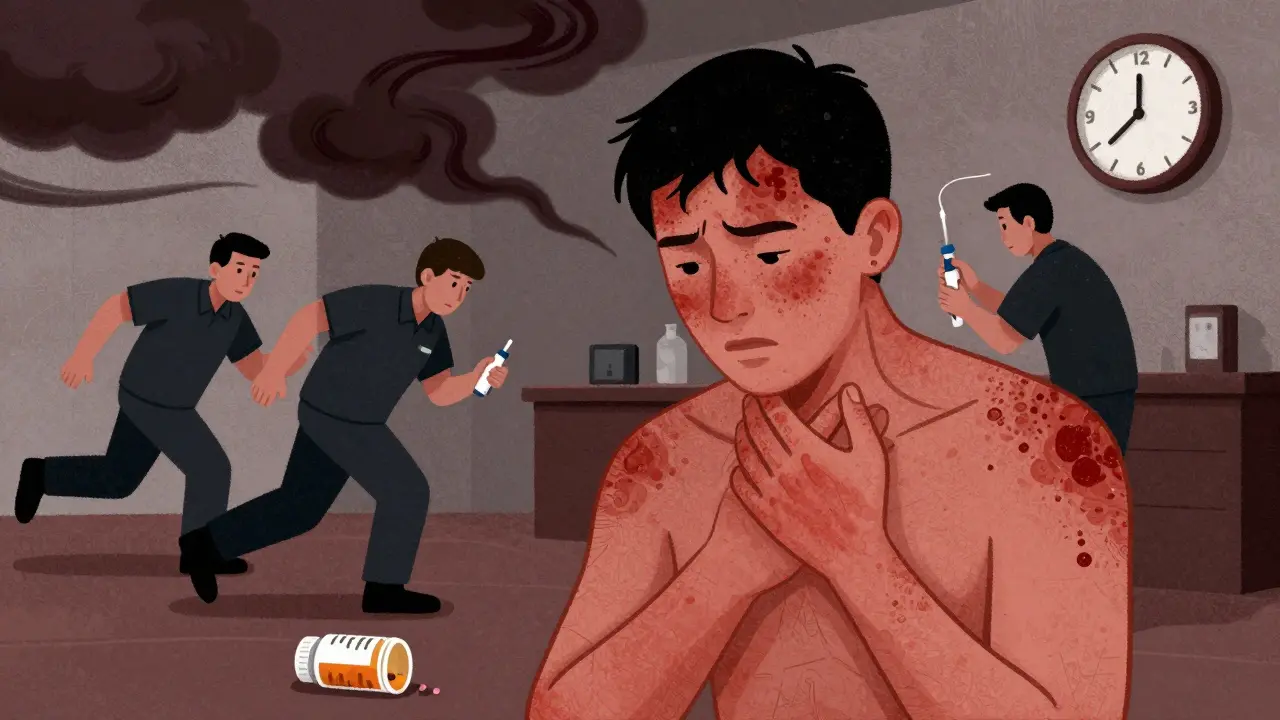
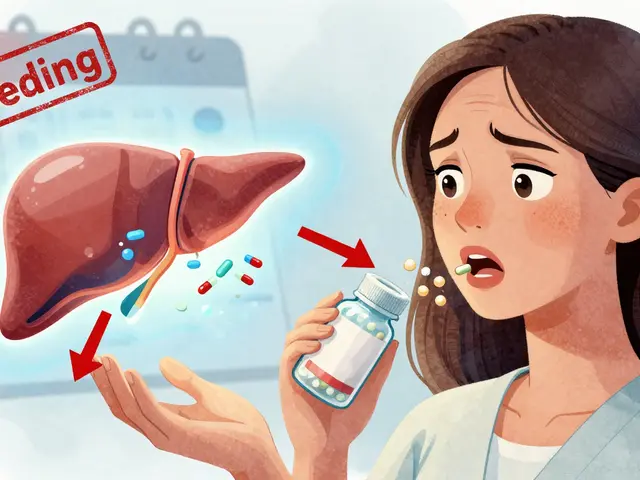
Medications save lives-but sometimes, they can turn dangerous in minutes. You take a pill or get an injection, and suddenly, your body reacts in a way no doctor warned you about. Your skin breaks out in a rash. Your throat swells. You can’t breathe. This isn’t just a side effect. This is a severe adverse drug reaction, and it demands immediate action. Waiting to see if it gets better could cost you your life.
What Counts as a Severe Drug Reaction?
Not all bad reactions are emergencies. A mild rash or upset stomach after taking a new medication? That’s often just a side effect. But when a reaction threatens your airway, heart, or skin integrity, it crosses into emergency territory. The U.S. Food and Drug Administration defines a serious adverse drug reaction as one that causes death, is life-threatening, requires hospitalization, leads to permanent disability, or causes congenital anomalies. In real terms, that means: if you’re struggling to breathe, your skin is peeling off, or your blood pressure is crashing-you’re not dealing with a minor issue.Anaphylaxis: The Silent Killer
Anaphylaxis is the most urgent type of drug reaction. It can start within seconds to minutes after taking a medication-especially antibiotics like penicillin, NSAIDs like ibuprofen, or even contrast dye used in imaging scans. Symptoms include hives, swelling of the lips or tongue, wheezing, dizziness, rapid pulse, and a sudden drop in blood pressure. If you’ve ever seen someone go from fine to unconscious in under five minutes, that’s anaphylaxis in action. The key? Don’t wait. The Resuscitation Council UK and the American Academy of Family Physicians agree: if you suspect anaphylaxis, give epinephrine right away. Use an auto-injector into the outer thigh. Even if you’re not 100% sure. Delaying epinephrine increases the risk of death. Studies show untreated anaphylaxis has a mortality rate of 0.3% to 1%. That might sound low, but in a population of millions taking drugs daily, those percentages add up to thousands of preventable deaths each year.Stevens-Johnson Syndrome and Toxic Epidermal Necrolysis: Skin That Falls Off
Then there are the reactions you can’t ignore because they’re visible-and horrifying. Stevens-Johnson Syndrome (SJS) and Toxic Epidermal Necrolysis (TEN) are rare but deadly. They’re often triggered by antibiotics like sulfonamides, anticonvulsants like carbamazepine, or gout medications like allopurinol. It starts with flu-like symptoms: fever, sore throat, burning eyes. Within days, the skin blisters and detaches. In TEN, more than 30% of your skin can slough off, like a severe burn. The mortality rate for TEN? 30% to 50%. For SJS, it’s around 10%. These aren’t allergies you can treat with antihistamines. They require hospitalization in a burn unit. Treatment involves stopping the drug immediately, fluid support, pain control, and sometimes immunosuppressants like cyclosporin. But the most critical step? Recognizing the early signs. If you develop a painful rash that spreads quickly, especially with blistering or mucous membrane involvement (mouth, eyes, genitals), go to the ER. Don’t wait for your doctor’s appointment.Other Dangerous Reactions You Can’t Afford to Miss
There are other severe reactions that fly under the radar because they don’t look like classic allergies:- DRESS (Drug Reaction with Eosinophilia and Systemic Symptoms): This shows up weeks after starting a drug. Fever, swollen lymph nodes, rash, and organ damage-liver, kidneys, lungs. It’s often caused by anticonvulsants or allopurinol. Without treatment, it can lead to liver failure.
- Hemolytic anemia or low platelets: Some drugs like quinine or certain antibiotics cause your immune system to attack your own blood cells. You might feel weak, dizzy, or notice unusual bruising or bleeding. A simple blood test can catch this, but only if you tell your doctor you’re on medication.
- Drug-induced heart rhythm problems: Antibiotics like azithromycin or antifungals like fluconazole can trigger dangerous arrhythmias, especially in people with existing heart conditions.
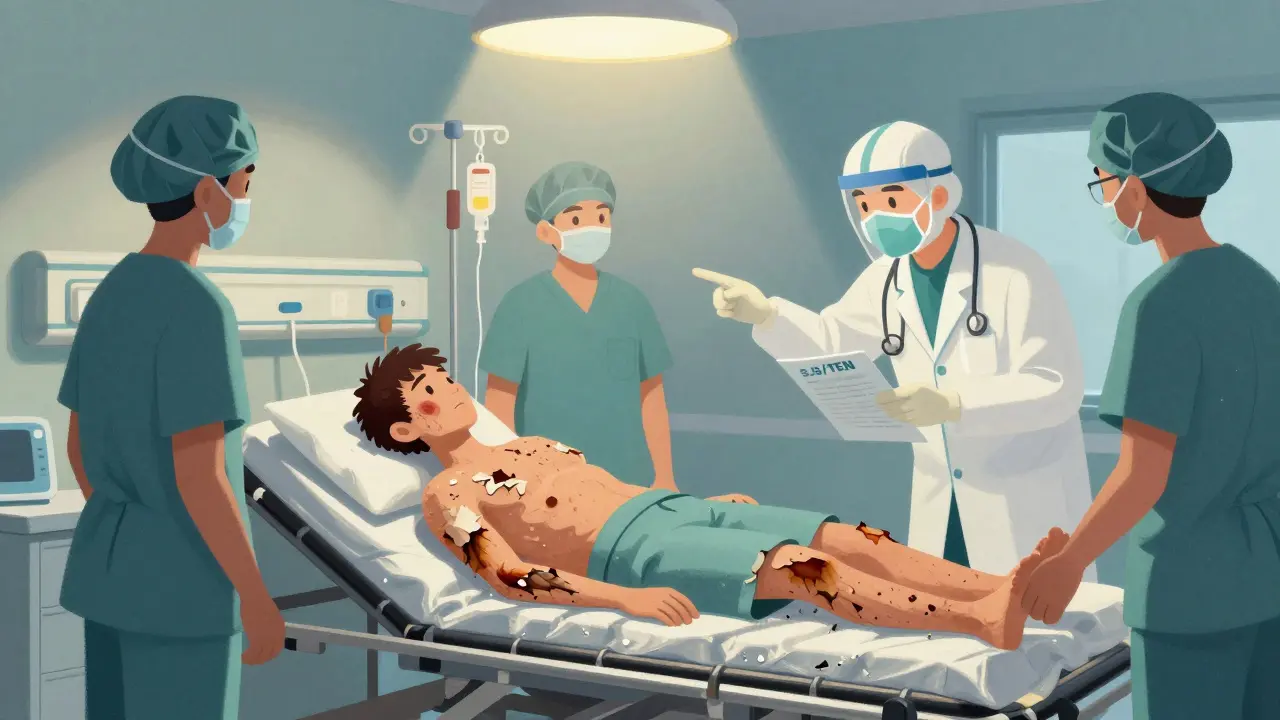
What to Do Right Now: A Step-by-Step Emergency Plan
If you or someone else shows signs of a severe drug reaction, here’s what you must do:- Stop the drug immediately. Don’t wait for confirmation. If you suspect it’s the cause, discontinue it.
- Call emergency services. In Australia, dial 000. Don’t drive yourself. Paramedics carry epinephrine and can start treatment en route.
- Use epinephrine if available. If you have an auto-injector (like an EpiPen), use it right away. Inject into the outer thigh. Even if symptoms improve, you still need to go to the hospital. Rebound reactions can happen hours later.
- Don’t give antihistamines or steroids alone. They help with itching or swelling, but they won’t stop anaphylaxis. Epinephrine is the only life-saving treatment.
- Bring all medications. When you get to the hospital, take your pill bottles or a list of everything you’ve taken in the last 72 hours. This helps doctors identify the culprit.
Who’s at Higher Risk?
Some people are more vulnerable to severe reactions:- Those with a history of drug allergies or anaphylaxis
- People taking multiple medications (polypharmacy), especially older adults
- Patients with HIV or autoimmune disorders
- Those with genetic markers-for example, the HLA-B*15:02 gene increases risk of SJS with carbamazepine in people of Asian descent
Prevention: What You Can Do Before It Happens
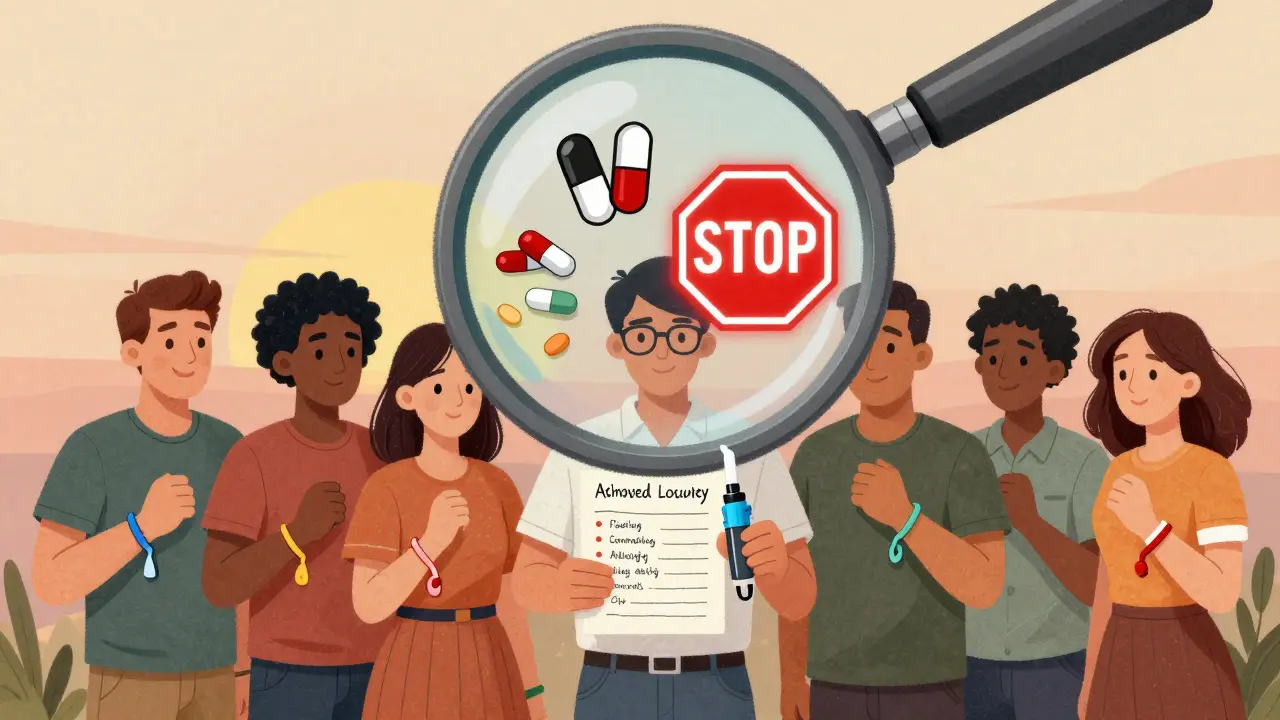
You can’t predict every reaction, but you can reduce your risk:- Keep a written list of all drugs you’ve had bad reactions to-and share it with every doctor you see.
- If you’ve had anaphylaxis before, carry two epinephrine auto-injectors. One might not be enough.
- Wear a medical alert bracelet that lists your drug allergies.
- Ask for alternatives. If you’re allergic to penicillin, there are other antibiotics. Don’t assume you’re stuck with the first one prescribed.
- Don’t take leftover antibiotics or someone else’s meds. What’s safe for them could kill you.
What Happens After the Emergency?
Surviving a severe reaction isn’t the end. You’ll need follow-up care. An allergist or immunologist can perform tests to confirm the trigger. Skin prick tests, blood tests, or controlled drug challenges (done under strict supervision) help identify exactly what caused it. Once confirmed, you’ll get an action plan. This includes:- A list of drugs to avoid forever
- Safe alternatives
- Instructions on using your epinephrine injector
- How to recognize early symptoms of a recurrence
Final Thought: Trust Your Body
You know your body better than any algorithm or textbook. If something feels wrong after taking a medication-especially if it’s sudden, severe, or worsening-don’t second-guess yourself. Don’t call your pharmacist. Don’t wait for your GP’s office to open. Call emergency services. Use your epinephrine. Get to the hospital. In a severe drug reaction, minutes matter more than certainty.Can you survive anaphylaxis without epinephrine?
It’s possible, but extremely risky. Antihistamines and steroids don’t stop the life-threatening drop in blood pressure or airway swelling caused by anaphylaxis. Epinephrine is the only treatment that reverses these effects quickly. Without it, the chance of death increases significantly. Even if symptoms seem mild at first, they can worsen rapidly. Never delay epinephrine.
Can a drug reaction happen days after taking the medication?
Yes. While anaphylaxis happens within minutes to hours, other severe reactions like DRESS or Stevens-Johnson Syndrome can appear days or even weeks after starting a drug. DRESS often shows up 2 to 6 weeks later with fever, rash, and organ inflammation. SJS/TEN may begin with flu-like symptoms and progress over several days. Never assume a reaction is impossible just because it’s delayed.
Is it safe to take a similar drug if I had a reaction to one?
No-not without testing. For example, if you had a severe reaction to penicillin, you should avoid all penicillin-class drugs. But you might still be able to take other antibiotics like azithromycin or ciprofloxacin. Never guess. See an allergist for proper testing. Some people outgrow penicillin allergies, but only a specialist can confirm that safely.
Do all drug allergies show up as rashes?
No. While rashes are common, severe reactions can also present as breathing problems, low blood pressure, liver failure, or blood disorders without any visible skin changes. A reaction isn’t "real" just because it’s visible. If you feel dizzy, have chest tightness, or notice unusual bleeding or bruising after taking a drug, treat it as a medical emergency.
Should I carry epinephrine if I’ve never had a severe reaction before?
Only if your doctor recommends it. Epinephrine auto-injectors are not for everyone. They’re prescribed based on history-like past anaphylaxis, multiple drug allergies, or high-risk conditions like asthma. If you’ve never had a severe reaction, carrying one isn’t necessary. But if you’re starting a new high-risk drug (like biologics or chemotherapy), ask your doctor if you should have one on hand.
What to Do If You’re Still Unsure
If you’re not sure whether a reaction is serious, err on the side of caution. Call emergency services. Describe your symptoms clearly: "I took medication X, and now I can’t breathe," or "My skin is peeling off." Paramedics are trained to recognize these signs. Better to be checked and safe than to wait and regret it.Severe drug reactions are rare-but when they happen, they’re devastating. The good news? You can prevent many of them by knowing the warning signs and acting fast. Your life depends on recognizing the difference between a side effect and a crisis.



9 Comments
Neil Thorogood January 26, 2026
Bro. I took ibuprofen once and my face looked like a raisin that got into a fight with a microwave. 🤯 I didn’t even know epinephrine was a thing until my roommate screamed "IT’S ANAPHYLAXIS, YOU IDIOT, USE THE PEN!" and shoved it in my thigh. I’m alive because of that dumbass. Don’t be the guy who waits for Google to diagnose you. 🚑💉
Jessica Knuteson January 27, 2026
The body is a system of contradictions. A pill meant to heal becomes the instrument of its own destruction. The irony is not lost on those who have watched the skin fall off someone they loved. We call it an adverse reaction. It is really the body screaming in a language medicine refuses to learn.
Robin Van Emous January 27, 2026
I just want to say thank you for writing this. My mom had DRESS from an anticonvulsant, and no one told us what to look for. She spent 3 weeks in the ICU. We didn’t know it wasn’t just "a bad flu." Please, if you’re reading this, keep a list of meds you’ve reacted to. Write it down. Tell every doctor. It could save your life. 🙏
Angie Thompson January 28, 2026
OMG I JUST REALIZED I TOOK ALLOPURINOL LAST WEEK AND MY ARMS ARE ITCHING 😱 I’M GOING TO THE ER RIGHT NOW. THANK YOU FOR THIS. I’M SO GLAD I READ THIS BEFORE I JUST TOOK ANTIHISTAMINES AND WENT TO BED. YOU GUYS ARE LIFESAVERS. 🌟❤️
Skye Kooyman January 29, 2026
I’ve had a rash from penicillin as a kid. Never thought it was a big deal. Now I’m 34 and on a new med. Just… keeping my eyes open.
Sally Dalton January 31, 2026
i just wanna say i read this whole thing and im crying a little bc my cousin died from ten after taking sulfamethoxazole and no one knew what was happening until it was too late... i wish this was taught in high school health class. we need more awareness. thank you for sharing this. 🥺💖
eric fert February 1, 2026
Let’s be real - the FDA and Big Pharma have been covering up these reactions for decades. Why do you think they don’t require genetic screening before prescribing carbamazepine to everyone? Because it’s cheaper to let people die than to run tests. And now they want you to carry epinephrine like it’s a Band-Aid solution to systemic negligence. The real emergency isn’t the reaction - it’s the system that lets this keep happening.
Curtis Younker February 3, 2026
I’m a paramedic and I’ve seen this too many times. People wait. They think it’s "just a rash." They call their doctor at 3 p.m. on a Friday. Meanwhile, their airway is closing. I’ve held people’s hands while they gasped for air because they didn’t use the EpiPen. Don’t be that person. If you feel wrong after a med - use the pen. Call 911. Your life is worth more than your fear. You got this.
Suresh Kumar Govindan February 5, 2026
The Western medical paradigm is fundamentally flawed. It treats symptoms, not root causes. The ingestion of synthetic compounds without ancestral genetic compatibility is a form of biochemical imperialism. The human body, evolved over millennia, cannot be expected to metabolize pharmaceuticals designed in corporate laboratories. This is not medicine. This is colonialism in pill form.