
When you take a medication side effect, an unintended reaction to a drug that can range from mild to life-threatening. Also known as adverse drug reaction, it’s not a flaw in your body—it’s a predictable outcome of how drugs interact with your biology. Millions of people experience these reactions every year, and many aren’t warned until it’s too late. The problem isn’t just rare, scary events—it’s the quiet, slow-burning ones that slip under the radar: a muscle ache you ignore, a flutter in your chest you chalk up to stress, or nausea you think is just a stomach bug.
Drug interactions, when two or more medications change how each other works in your body are one of the biggest hidden dangers. Statins with certain antibiotics can trigger muscle breakdown. Warfarin and common antibiotics can spike your bleeding risk. Even something as simple as an antacid can block your antibiotic from working. And it’s not just prescriptions—OTC painkillers, supplements, and herbal teas can all play a role. Medication safety, the practice of using drugs in a way that minimizes harm isn’t about being perfect. It’s about knowing what to watch for and when to speak up.
Some side effects show up fast—rash, swelling, trouble breathing. Those are obvious. But others creep in over days or weeks: unexplained fatigue, confusion, irregular heartbeat, or sudden weight gain. These aren’t normal aging. They’re signals. And if you’re on multiple meds, older, or managing a chronic condition like diabetes or kidney disease, your risk goes up. You don’t need to memorize every possible side effect. You need to know your own warning signs and have a simple plan: track changes, ask your pharmacist about interactions, and never ignore something that feels "off."
This collection gives you real, no-fluff answers. You’ll find guides on spotting early signs of dangerous reactions, how to avoid deadly drug combos, what to do when you miss a dose, and how to read the safety sheets your pharmacy gives you but never reads. Whether you’re managing blood pressure, thyroid meds, antibiotics, or pain relief, you’ll find clear advice that works in everyday life—no jargon, no scare tactics, just what you need to stay safe.
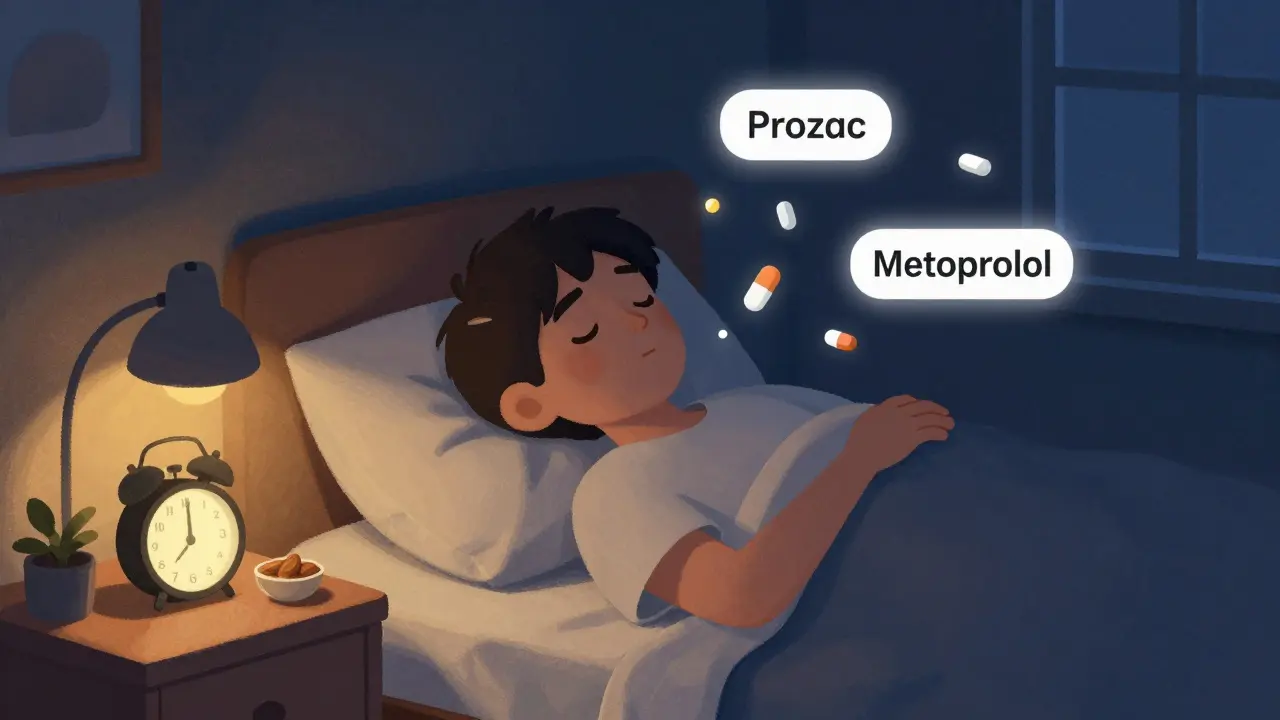
Learn how to fix sleep disrupted by medications using science-backed sleep hygiene habits-without adding more drugs. Fix your wake time, manage light, time your meds, and eat smarter to reclaim restful nights.
Read more
Metallic taste from medications is common and often overlooked. Learn proven strategies to manage dysgeusia, including zinc supplementation, dietary changes, and when to talk to your doctor.
Read more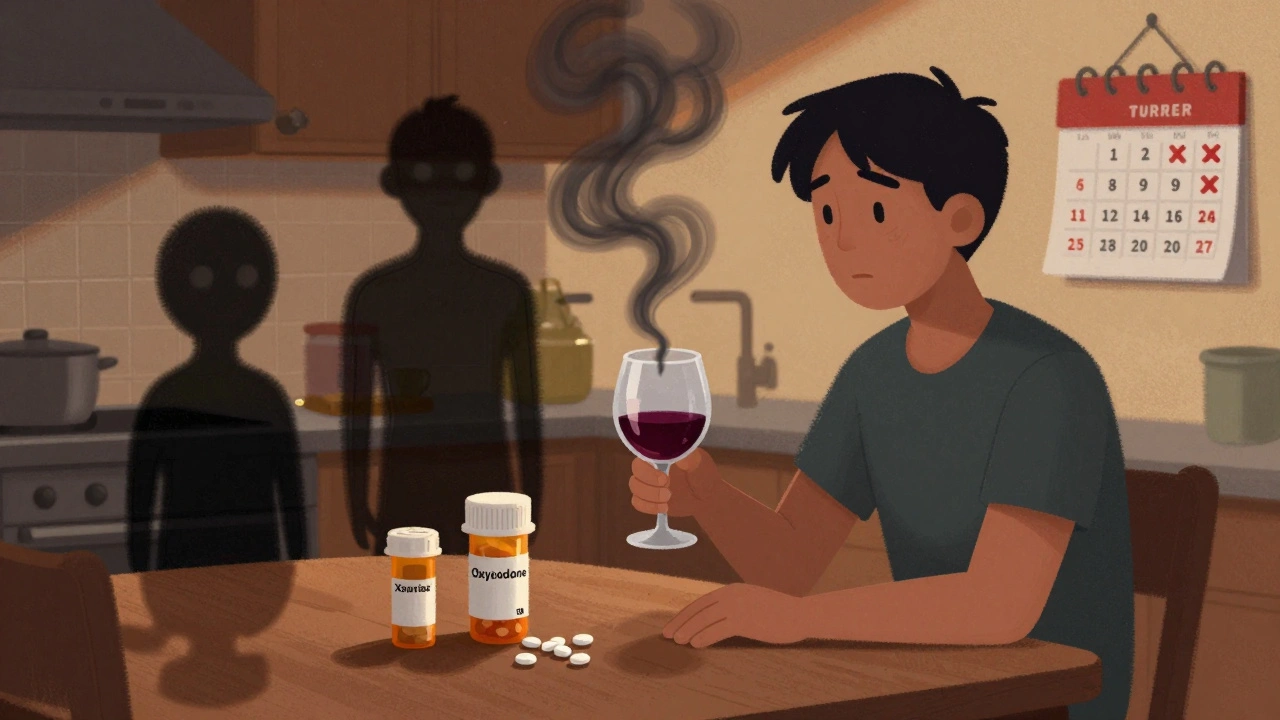
Mixing alcohol with prescription drugs can cause deadly side effects, from respiratory failure to liver damage. Learn which medications are most dangerous, who's at highest risk, and what steps to take to stay safe.
Read more