
When it comes to medication safety, the practice of preventing harm from drugs through proper use, monitoring, and awareness of risks. Also known as drug safety, it's not just about taking pills correctly—it's about understanding how they behave in your body and with other substances you're using. In November 2025, our focus was on the hidden dangers most people never see coming: a common painkiller lowering your seizure threshold, antibiotics wrecking your blood thinner’s effectiveness, or a simple missed dose turning into a hospital trip for a child.
Drug interactions, when one medication changes how another works in your body. Also known as medication interactions, they’re not rare—they’re routine. Carbamazepine, for example, is a powerful CYP3A4 inducer that can make birth control fail or turn your antidepressant useless. Warfarin and antibiotics? A deadly mix if you don’t know which ones to avoid. These aren’t edge cases. They’re daily risks for millions. And it’s not just about pills—look-alike packaging, poor labeling for low vision users, and confusion over refill dates add up to thousands of preventable errors every year.
That’s why we dug into the tools that actually work. A shared medication calendar, a digital or printed system that lets families and caregivers track doses together to avoid mistakes. Also known as medication tracker, it’s not a luxury—it’s a lifeline for caregivers juggling multiple prescriptions. We showed how to set up free alerts, use pill organizers that don’t fail, and build a budget so you’re not choosing between food and your next refill. We even warned about sketchy online pharmacies like canadian-cheaprx.com, where pills might not contain what’s on the label.
Diabetes didn’t get ignored either. Diabetic ketoacidosis, a sudden, life-threatening drop in insulin that floods the body with acids. Also known as DKA, it strikes fast—and the signs are easy to miss. Fruity breath? Vomiting? Confusion? Those aren’t just symptoms—they’re emergency signals. We broke down what happens in the ER and why waiting even an hour can cost you dearly. Same with diabetic retinopathy, eye damage from high blood sugar that quietly steals vision over time. Also known as diabetic eye disease, it’s preventable—if you know when to get screened.
And then there’s the quiet crisis: sodium imbalances in kidney patients, benzodiazepine overdoses masked by alcohol, and heart palpitations from everyday meds like thyroid pills or antibiotics. These aren’t theoretical. People are living with them right now. The goal wasn’t to scare you—it was to arm you. With clear rules for missed pediatric doses, simple steps to read your medication guide, and real strategies for people with hearing loss or low vision, we gave you the kind of info you can use before your next doctor visit—or your next emergency.
What follows is a curated collection of everything we published this month—no fluff, no filler, just the facts you need to stay safe, save money, and avoid hospital visits. These aren’t abstract ideas. They’re the exact tools, warnings, and systems real people are using today to take control of their meds. Read them. Use them. Share them. Your life might depend on it.

Carbamazepine is a powerful CYP3A4 enzyme inducer that can reduce the effectiveness of birth control, blood thinners, antidepressants, and more. Learn how it interacts with other drugs, why autoinduction matters, and what to do to stay safe.
Read more
Diabetic ketoacidosis is a life-threatening emergency caused by insulin deficiency. Learn the warning signs-like fruity breath, vomiting, and confusion-and what happens during hospital treatment. Early action saves lives.
Read more
Learn the early warning signs of dangerous medication side effects that can turn life-threatening within hours. Know when to act fast and how to protect yourself from hidden drug reactions.
Read more
Learn the safe, science-backed steps to handle missed pediatric medication doses without risking overdose. Follow time-based rules, avoid doubling doses, and use tools like oral syringes and apps to prevent errors.
Read more
Learn how to set up a simple medication budgeting and auto-refill system that saves money, prevents missed doses, and reduces stress. Practical steps for managing prescription costs with free tools and smart shopping.
Read more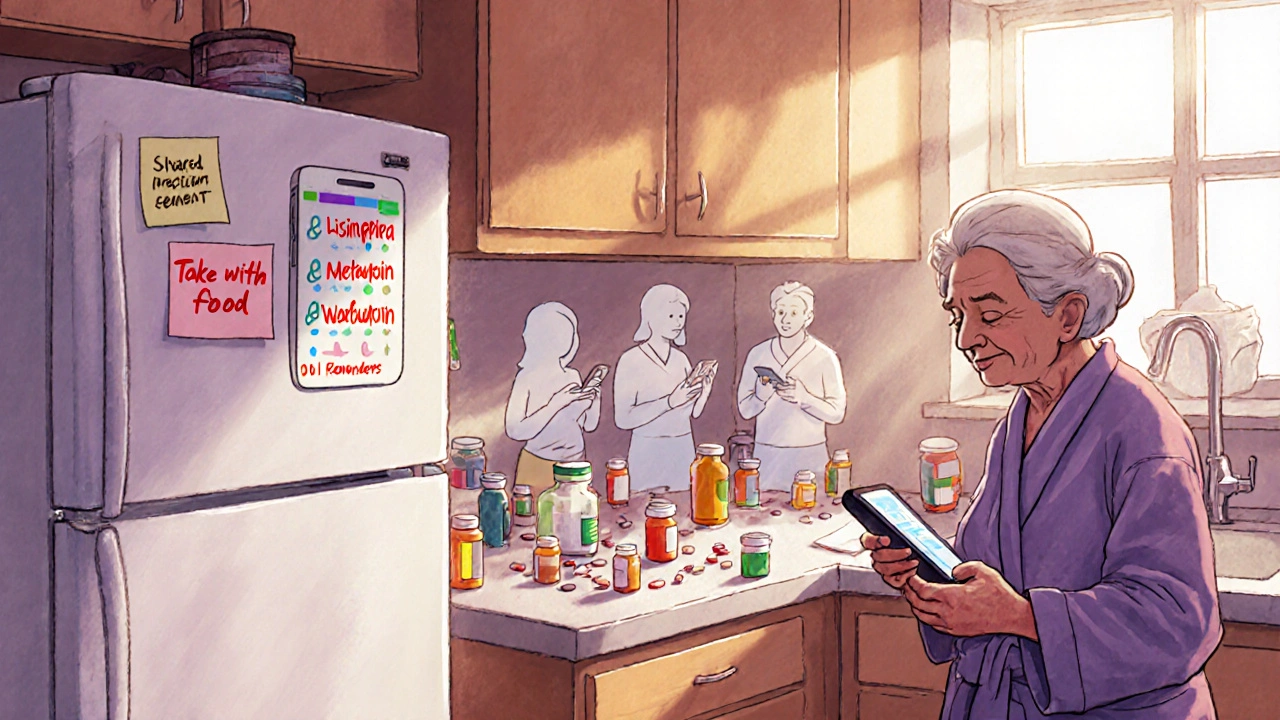
Learn how to build a shared medication calendar that helps families and caregivers track doses, prevent errors, and reduce burnout. Includes app comparisons, setup steps, and real-world tips.
Read more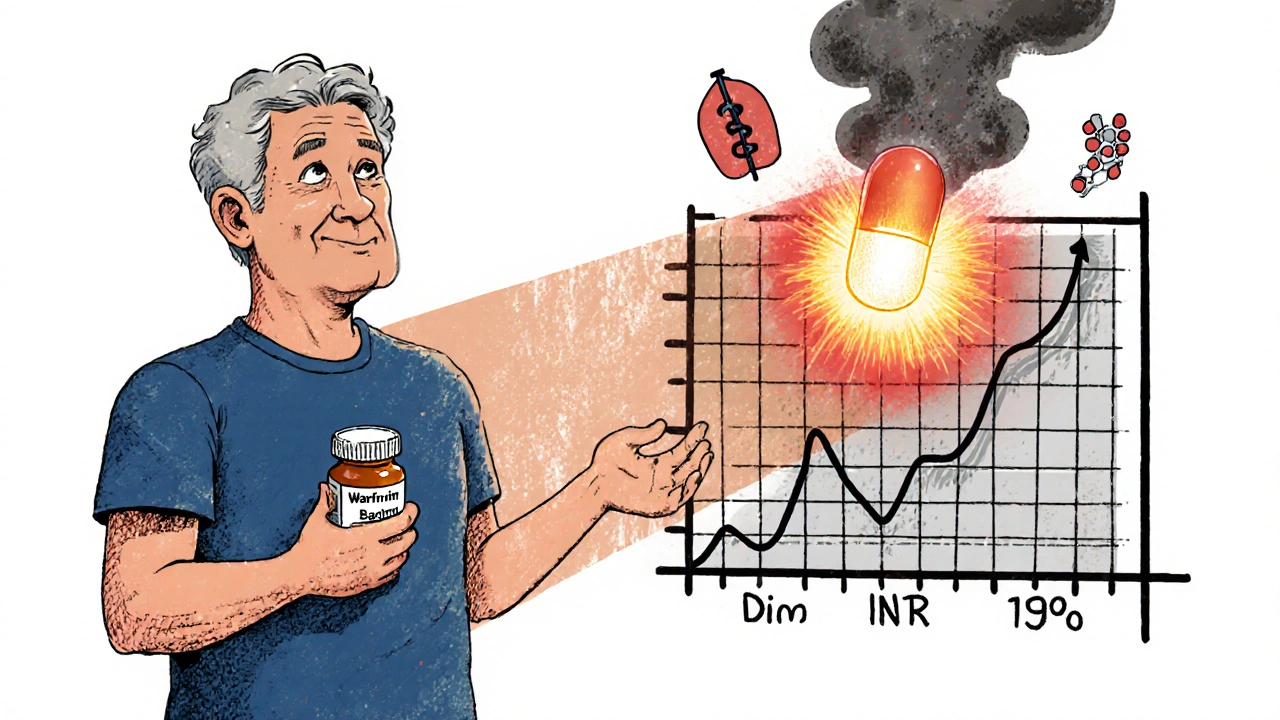
Warfarin and antibiotics can interact dangerously, raising your risk of bleeding. Learn which antibiotics are high-risk, how to monitor your INR, and what to do when you need antibiotics while on warfarin.
Read more
Look-alike packaging confusion causes thousands of medication errors each year. Learn how physical separation, Tall Man Lettering, and barcode scanning can prevent mistakes in pharmacies and protect patients.
Read more
Diabetic retinopathy is the leading cause of preventable blindness in adults with diabetes. Learn when to get screened, how treatment works, and how to protect your vision based on your personal risk level.
Read more
Pulmonary arterial hypertension (PAH) is a serious complication of rheumatoid arthritis (RA), affecting up to 12% of RA patients. Learn how autoimmune inflammation damages lung arteries, early warning signs, and what treatments actually work.
Read more