
When you take more than one medication, you’re not just adding pills—you’re adding risk. Drug interactions, harmful changes in how medications work when taken together. Also known as medication interactions, they can make a drug weaker, stronger, or even turn it toxic. This isn’t rare. One in four adults on multiple prescriptions experiences at least one dangerous interaction each year. And most don’t even know it’s happening.
Some interactions are obvious. Like warfarin, a blood thinner that becomes dangerous when mixed with certain antibiotics—your INR can spike, and you could bleed internally without warning. Others are sneaky. Antacids, common heartburn pills can block antibiotics like ciprofloxacin from being absorbed, so your infection doesn’t clear. Even something as simple as grapefruit juice can wreck how your body processes statins, raising your risk of muscle damage. These aren’t edge cases—they’re everyday risks.
It’s not just about what’s in your bottle. It’s about timing, your liver, your kidneys, and even what you ate for breakfast. A missed dose, a changed schedule, or swapping a generic for a brand can trigger a chain reaction. People with kidney disease, older adults, and those on five or more meds are at highest risk. But anyone mixing prescriptions, OTC drugs, or supplements could be vulnerable. That herbal tea you drink for sleep? It might be messing with your antidepressant. Your calcium pill? Could be stopping your thyroid med from working.
What you’ll find below isn’t theory. These are real stories from real patients who got caught off guard. You’ll see how drug interactions caused ER visits, how one wrong combo turned a simple infection into a months-long battle, and how simple fixes—like spacing pills by two hours or using a shared calendar—can prevent disaster. We cover warfarin and antibiotics, antacids and antibiotics, statins and grapefruit, tramadol and seizure risks, and how even something as basic as a pill organizer can cut your risk in half.
There’s no magic shield against drug interactions. But there is knowledge. And here, you’ll find the practical, no-fluff facts you need to ask the right questions, spot red flags, and take control before something goes wrong.
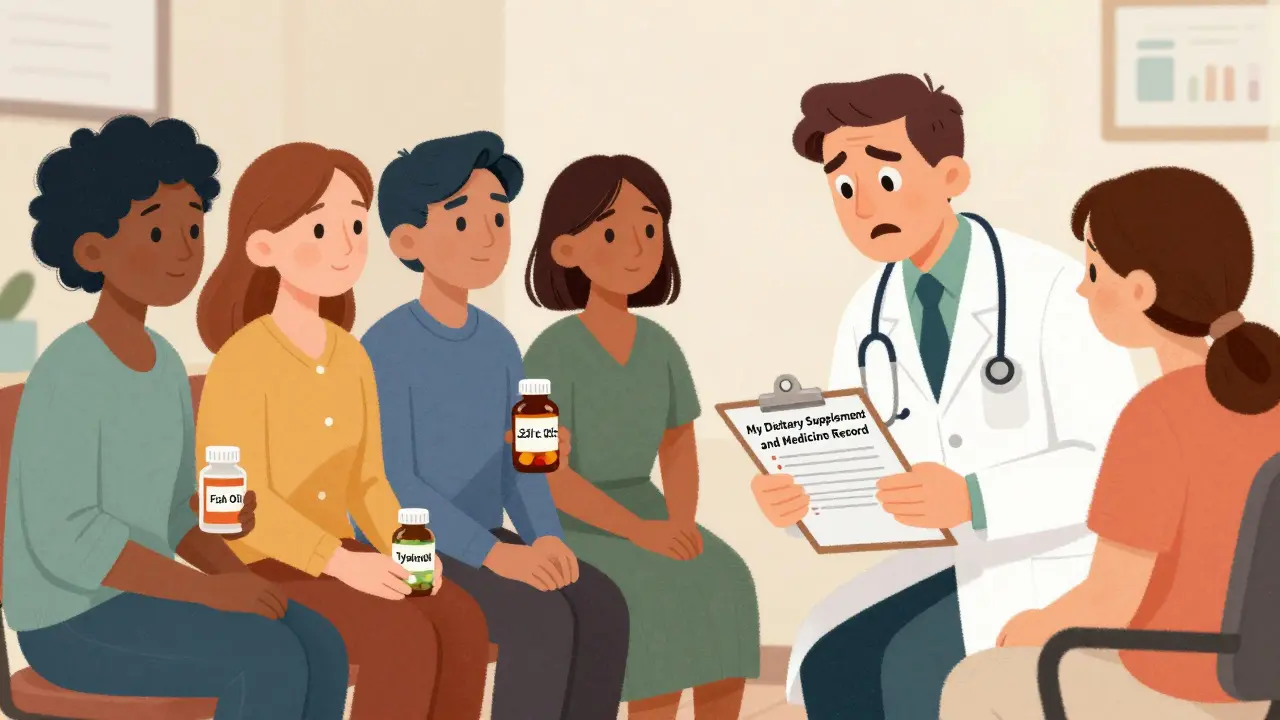
Accurately sharing your OTC medication and supplement use with your provider prevents dangerous interactions. Learn what to tell them, how to document it, and why even 'harmless' vitamins matter.
Read more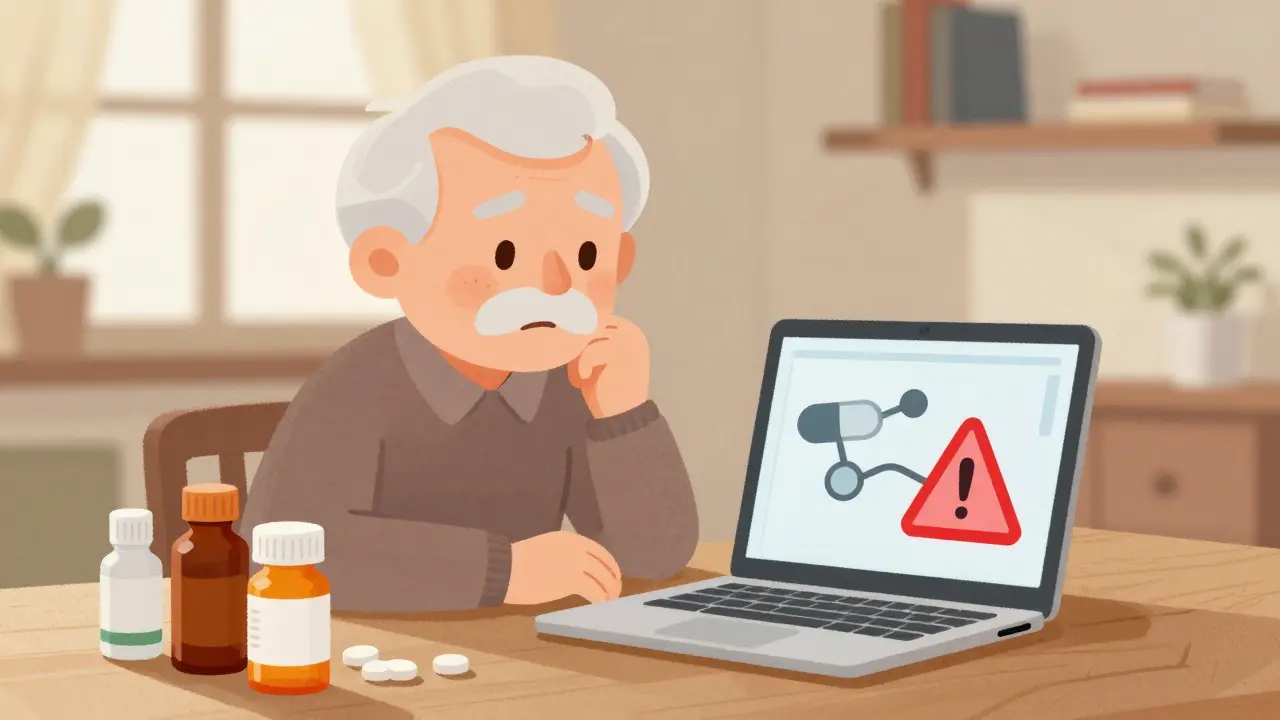
Digital consultation tools prevent dangerous drug interactions in online pharmacies. They check medication combinations, flag risks like bleeding or overdose. Tools like Epocrates and Micromedex help pharmacists safely dispense meds. Despite limitations like false alerts, they're vital for patient safety. AI improvements are making them even smarter.
Read more
Antipsychotics can prolong the QT interval, raising the risk of dangerous heart rhythms. Learn which drugs carry the highest risk, how to monitor for danger, and how to balance mental health treatment with heart safety.
Read more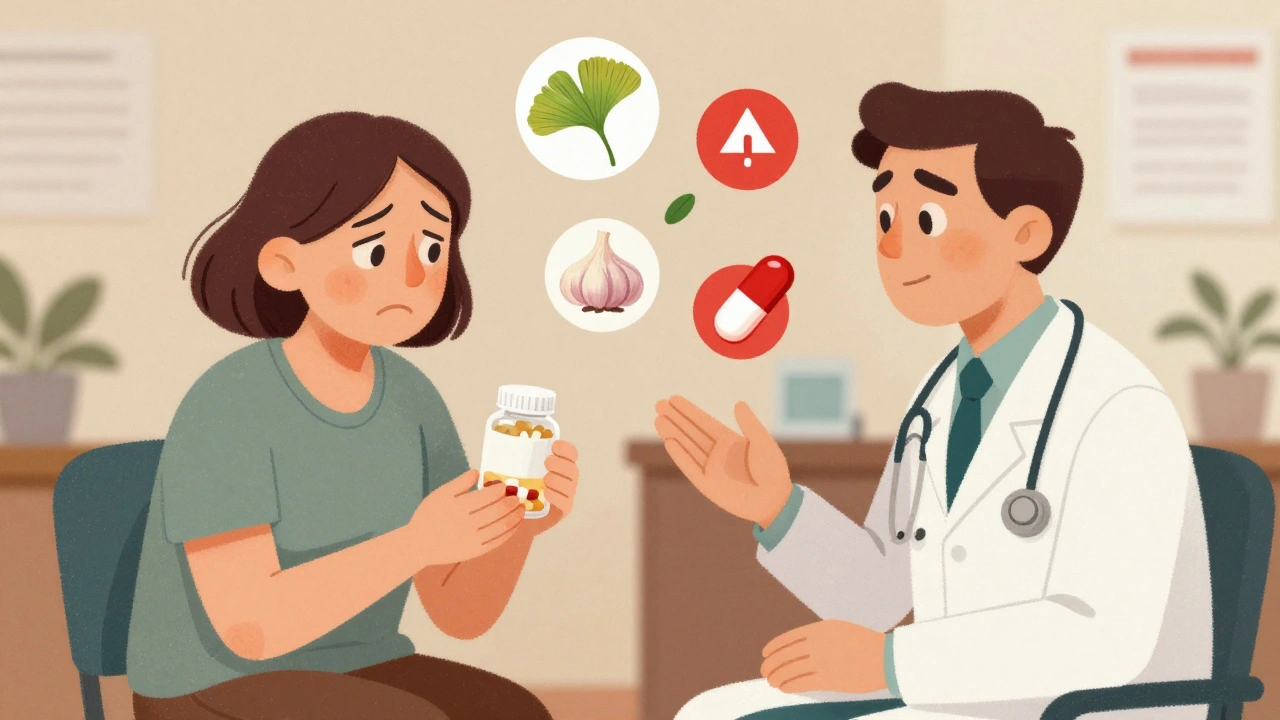
Most people don't tell their doctors about dietary supplements - but that silence can be dangerous. Learn why full disclosure saves lives, which supplements carry the highest risks, and how to talk to your care team effectively.
Read more
Carbamazepine is a powerful CYP3A4 enzyme inducer that can reduce the effectiveness of birth control, blood thinners, antidepressants, and more. Learn how it interacts with other drugs, why autoinduction matters, and what to do to stay safe.
Read more