
When you take a medication safety, the practices and knowledge that help prevent harm from drugs, including proper use, avoiding interactions, and recognizing warning signs. It’s not just about following the label—it’s about understanding how your body reacts, what else you’re taking, and when to speak up. Many people think if a drug is prescribed or sold over the counter, it’s automatically safe. But that’s not true. Even common pills like antacids, antibiotics, or blood pressure meds can cause serious problems when mixed with other drugs, foods, or health conditions.
Take drug interactions, when two or more medications affect each other’s absorption, effectiveness, or toxicity. For example, antacids can slash antibiotic absorption by up to 90%, turning a cure into a failure. Or consider side effects, unwanted physical or mental reactions to a drug, sometimes more dangerous than the condition being treated. Tramadol might seem like a mild painkiller, but it can trigger seizures—even in people without epilepsy. And clopidogrel, used to prevent clots, can cause dangerous bleeding if you’re not monitoring for warning signs like dark stools or unexplained bruising.
These aren’t rare edge cases. They show up in real patients every day. People with kidney disease struggle with sodium imbalances because their kidneys can’t regulate fluids. Diabetics on canagliflozin may notice mood swings they didn’t expect. Even something as simple as when you take your statin—morning or night—matters less than just taking it daily. Medication safety isn’t about memorizing every possible side effect. It’s about learning how to read your medication guide, spot red flags, and ask the right questions before you swallow that pill.
You’ll find real stories here—not theory. Like how losartan-hydrochlorothiazide can be risky during pregnancy, or why velpatasvir needs a specific diet to work. We cover how to avoid mixing antacids with antibiotics, why some beta-blockers might help memory, and what to do if you’re on multiple prescriptions for heart, blood pressure, or mental health. This isn’t a list of warnings. It’s a practical toolkit for staying in control of your health.
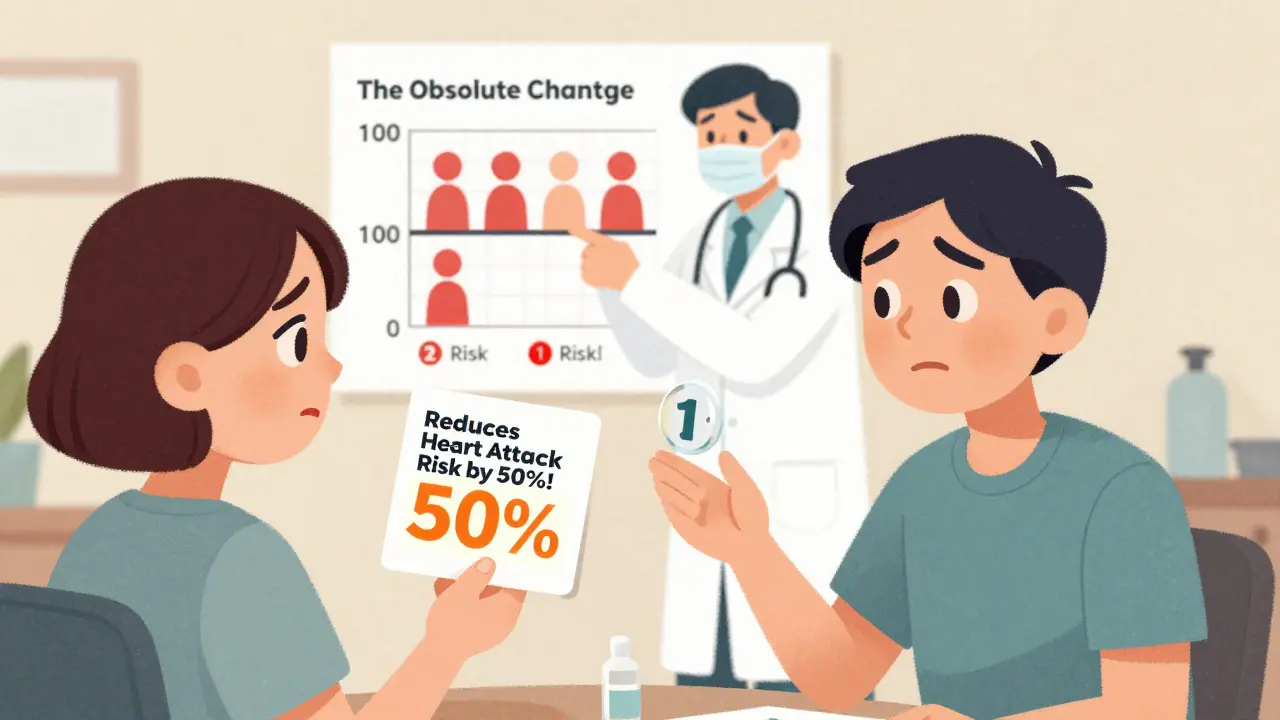
Learn how to tell the difference between absolute and relative risk in drug side effects-so you don’t get misled by flashy statistics. Real numbers matter more than percentages.
Read more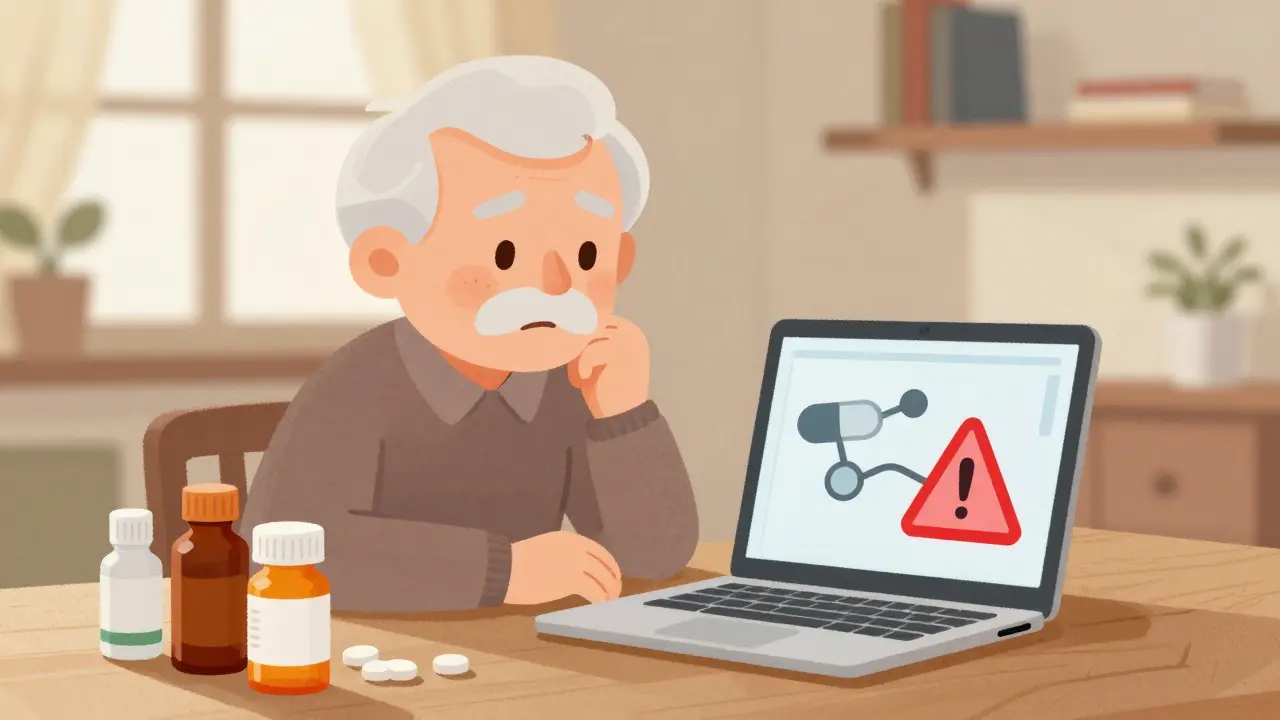
Digital consultation tools prevent dangerous drug interactions in online pharmacies. They check medication combinations, flag risks like bleeding or overdose. Tools like Epocrates and Micromedex help pharmacists safely dispense meds. Despite limitations like false alerts, they're vital for patient safety. AI improvements are making them even smarter.
Read more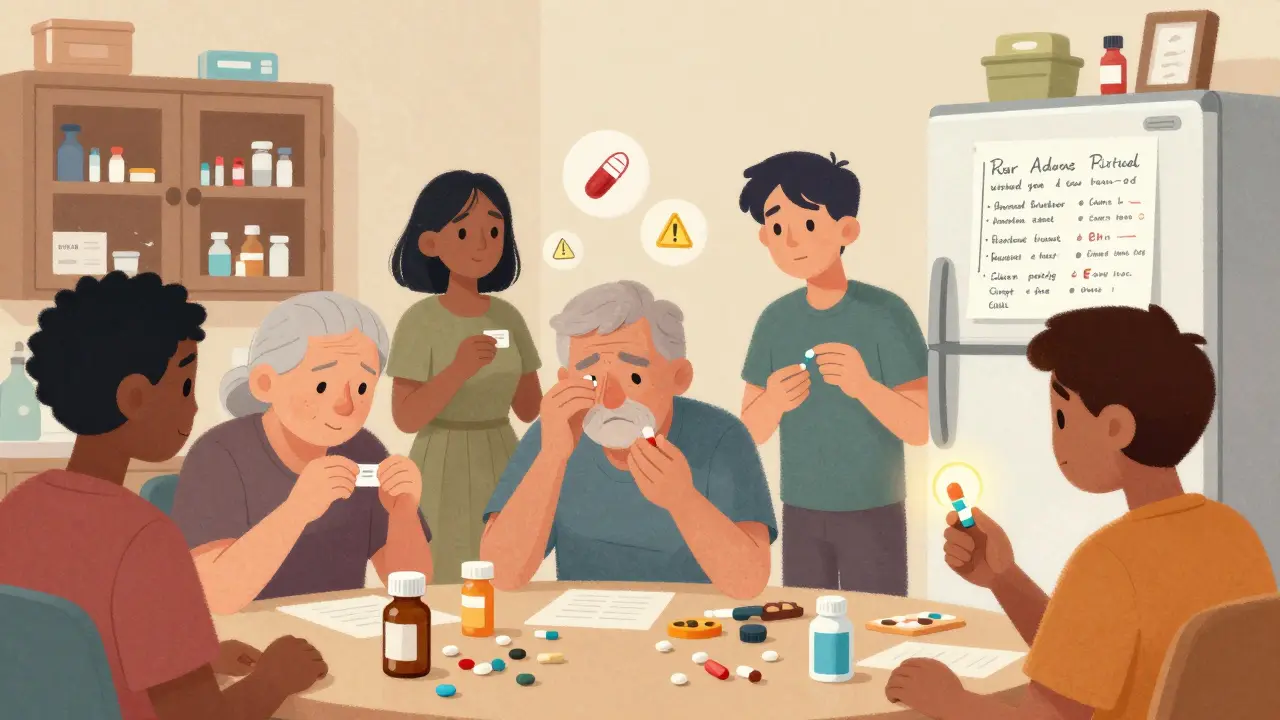
Medication errors harm over 1.5 million Americans yearly. Learn the real risks, deadliest drugs, and simple steps you can take right now to protect yourself from preventable harm.
Read more
Look-alike packaging confusion causes thousands of medication errors each year. Learn how physical separation, Tall Man Lettering, and barcode scanning can prevent mistakes in pharmacies and protect patients.
Read more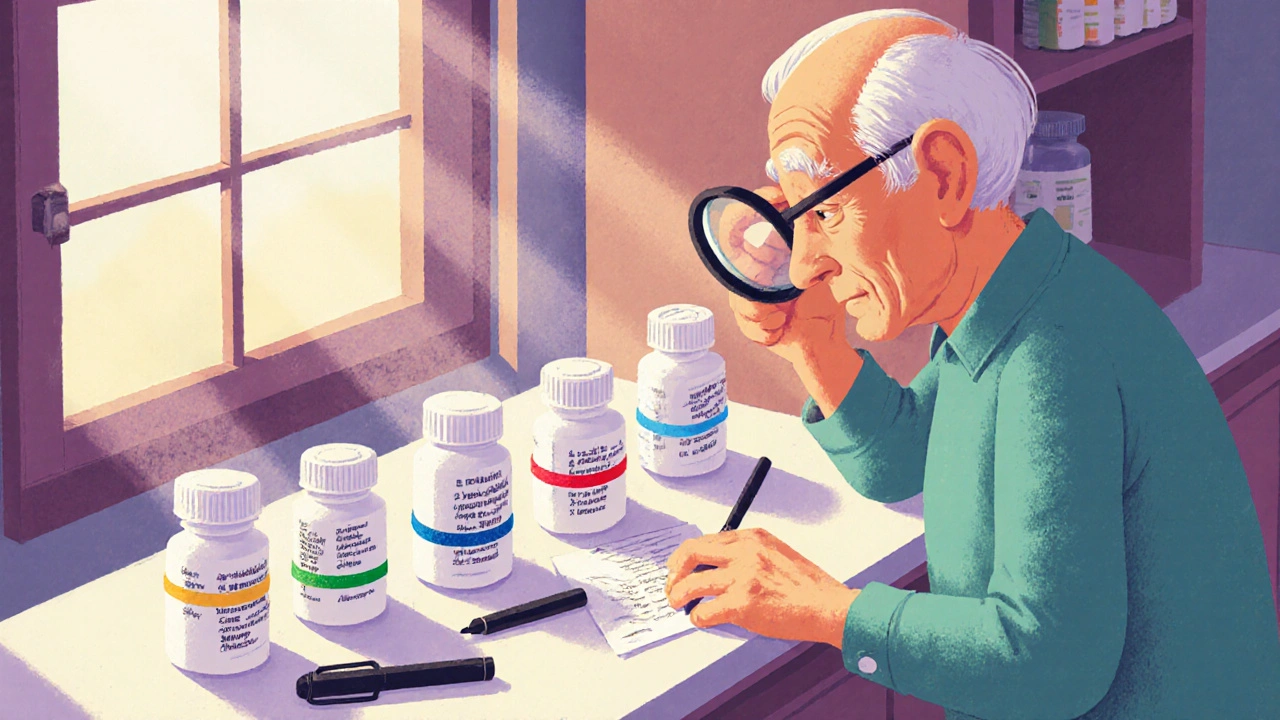
Medication errors are dangerously common for people with low vision or hearing loss. Learn practical, proven strategies to identify pills, read labels, and avoid life-threatening mistakes with simple tools and smart advocacy.
Read more