
When you hear generic drugs, lower-cost versions of brand-name medications that contain the same active ingredients and meet the same safety standards. Also known as non-brand drugs, they are the backbone of affordable healthcare in the U.S. and around the world. Most people assume generics are just cheaper copies—but that’s not the full story. The FDA requires them to deliver the same amount of medicine into your bloodstream as the brand version, within a tight range. That’s where the 80-125% rule, the scientific standard that measures how well your body absorbs a drug compared to the original comes in. It doesn’t mean the pills are 80% as strong—it means your body absorbs between 80% and 125% of the same amount of active ingredient. That’s not a loophole. It’s a scientifically proven window that ensures safety and effectiveness.
Why does this matter? Because many people still worry that generics don’t work as well. But if your doctor prescribes a generic version of your blood pressure pill, your thyroid med, or your antibiotic, you’re getting the exact same treatment. The difference is in the inactive ingredients—the dyes, fillers, and coatings—that don’t affect how the drug works. What does affect how it works is how your body absorbs it. And that’s why the bioequivalence, the scientific process that proves a generic matches the brand in how it’s absorbed and used by the body testing exists. It’s not marketing. It’s chemistry. And it’s regulated.
Still, not every drug becomes generic right away. That’s where regulatory exclusivity, legal protections granted by the FDA that delay generic entry even after a patent expires comes in. Some drugs get 5, 7, or even 12 years of market protection without any patent. That’s why you might still pay full price for a drug long after its patent should have expired. These delays aren’t about innovation—they’re about business. But once exclusivity ends, the floodgates open. Prices drop. Savings multiply. And that’s when generics truly shine.
What you’ll find here are real, practical answers to the questions you actually have: Why does my generic pill look different? Can I switch between brands and generics safely? Why did my doctor say not to use a certain generic for my seizure meds? We cover the science behind absorption, the hidden rules that control when generics hit the market, and how to spot the rare cases where switching might need extra care. No fluff. No jargon. Just what you need to know to make smart, confident choices about your meds—and your wallet.
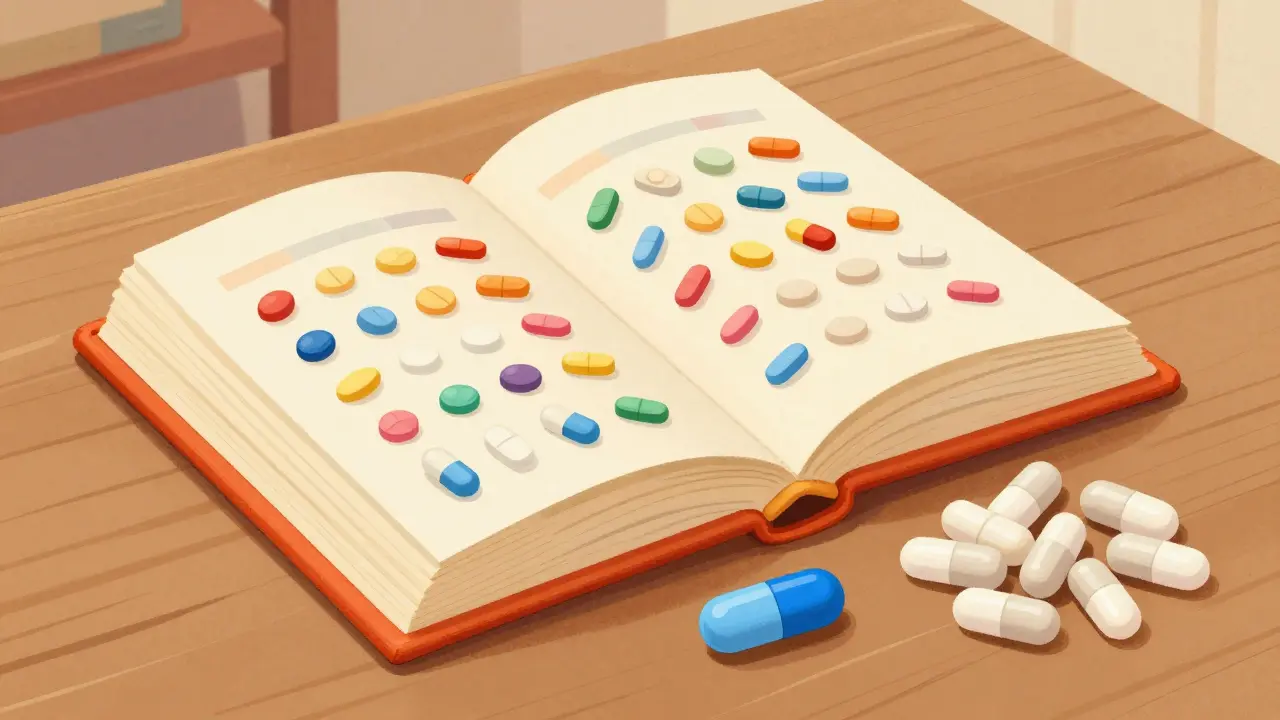
Explore how the FDA Orange Book lists approved generic drugs, covering therapeutic equivalence codes, patent listings, and the ANDA process for market entry.
Read more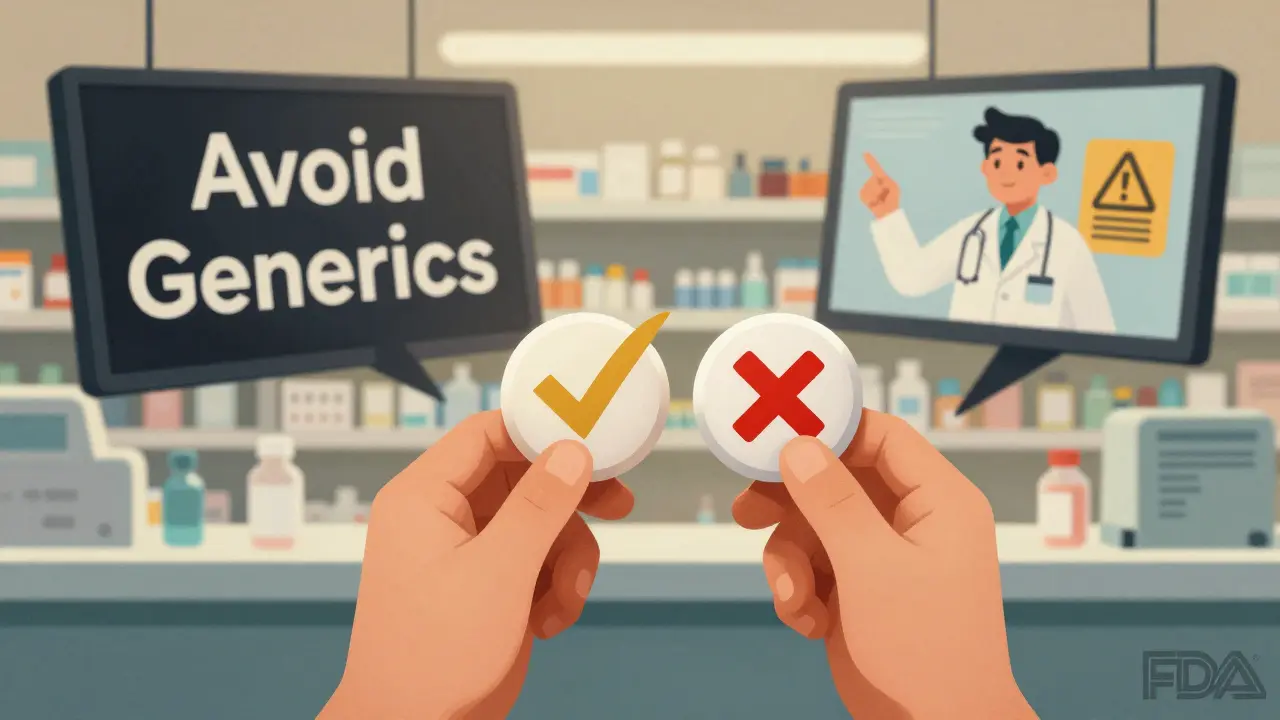
False advertising in generic drugs misleads patients into avoiding cost-effective medications. Learn the legal risks, FDA rules, and real-world impacts of deceptive claims in pharmaceutical marketing.
Read more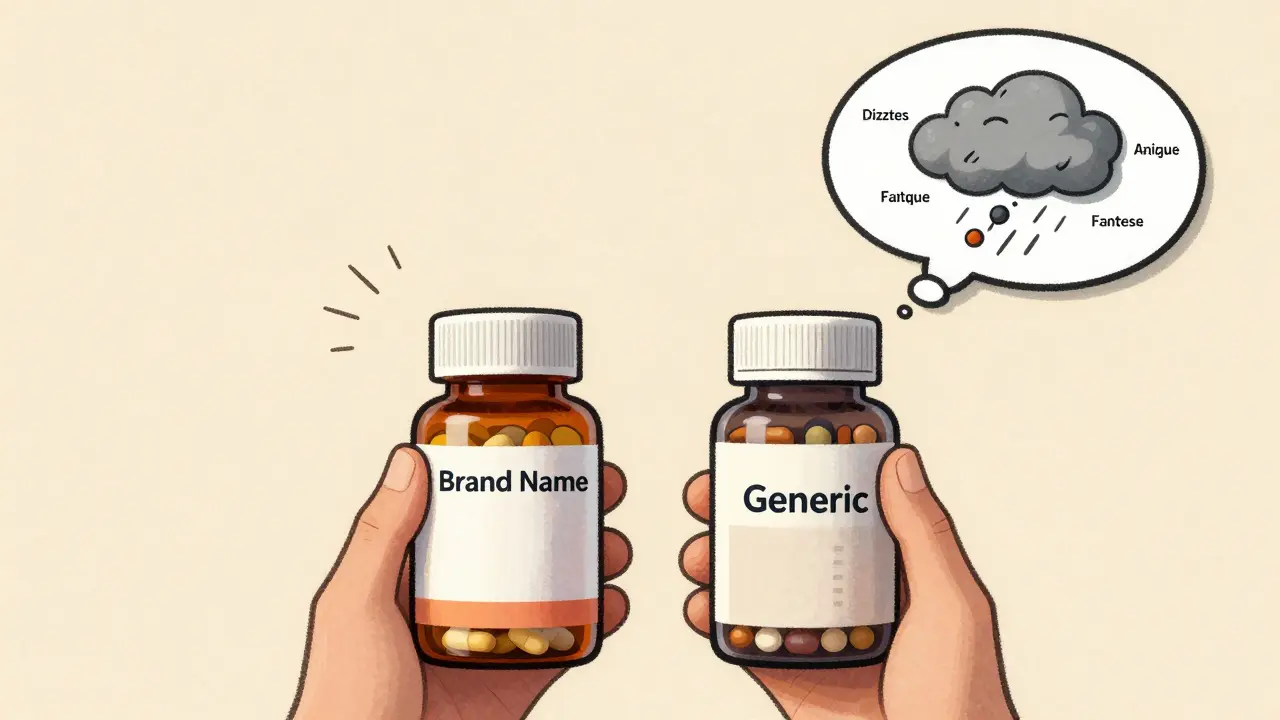
Generics are just as effective as brand-name drugs for most people, but some report more side effects after switching. Here’s what really causes those reactions-and when you should be concerned.
Read more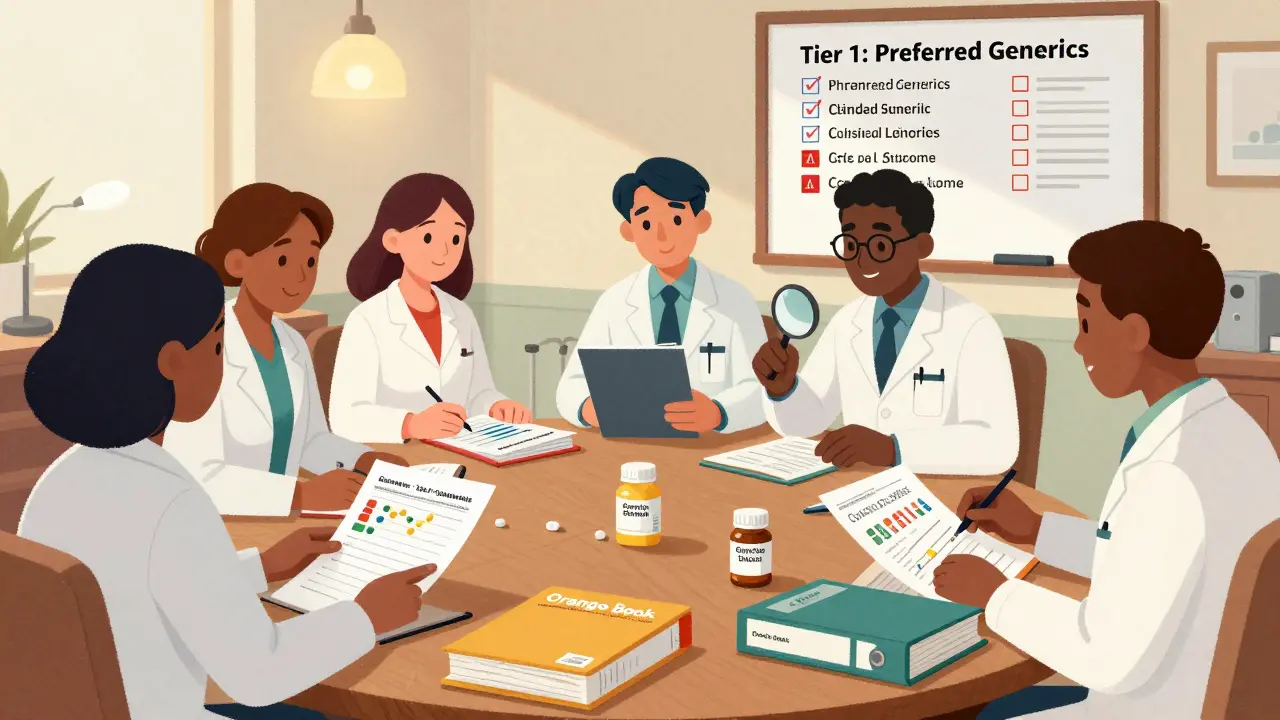
Hospital formularies use evidence-based criteria to select generic drugs that are safe, effective, and cost-efficient. Learn how Pharmacy and Therapeutics committees evaluate drugs, manage shortages, and balance clinical outcomes with financial responsibility.
Read more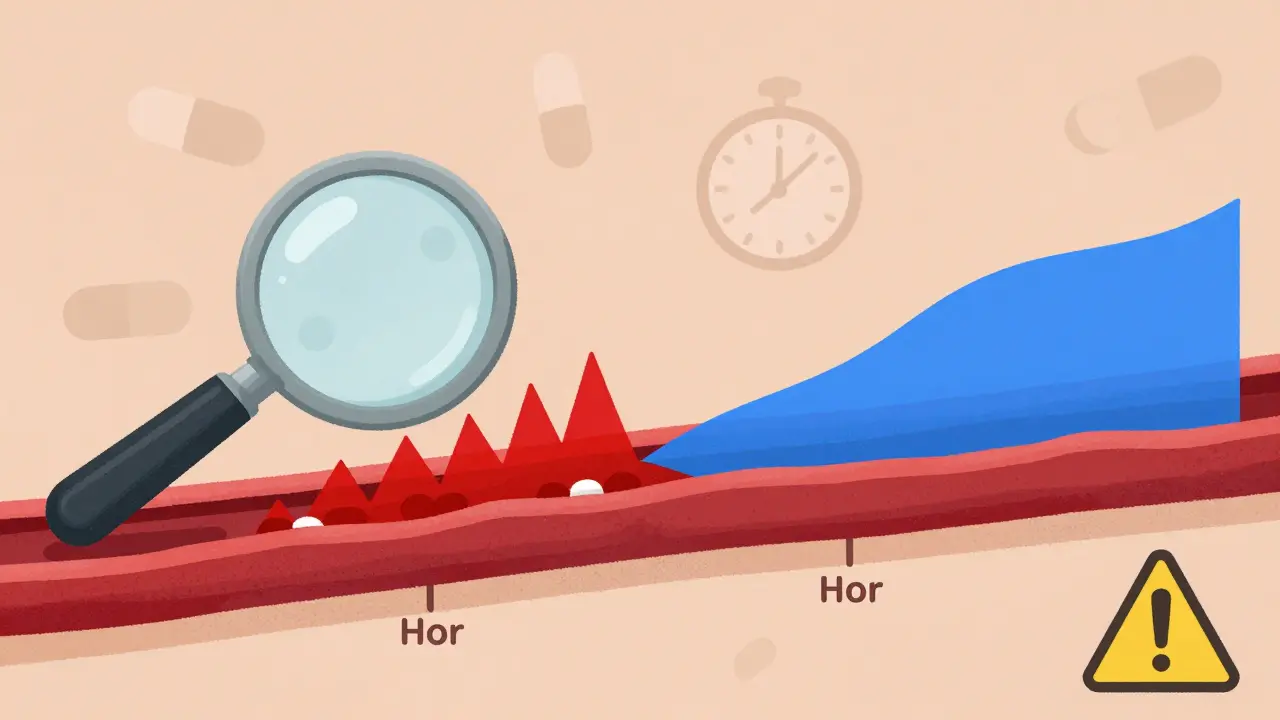
Partial AUC is a refined pharmacokinetic tool used to assess bioequivalence in complex drug formulations where traditional metrics like Cmax and total AUC fall short. It measures drug exposure during clinically relevant time windows to ensure safety and effectiveness.
Read more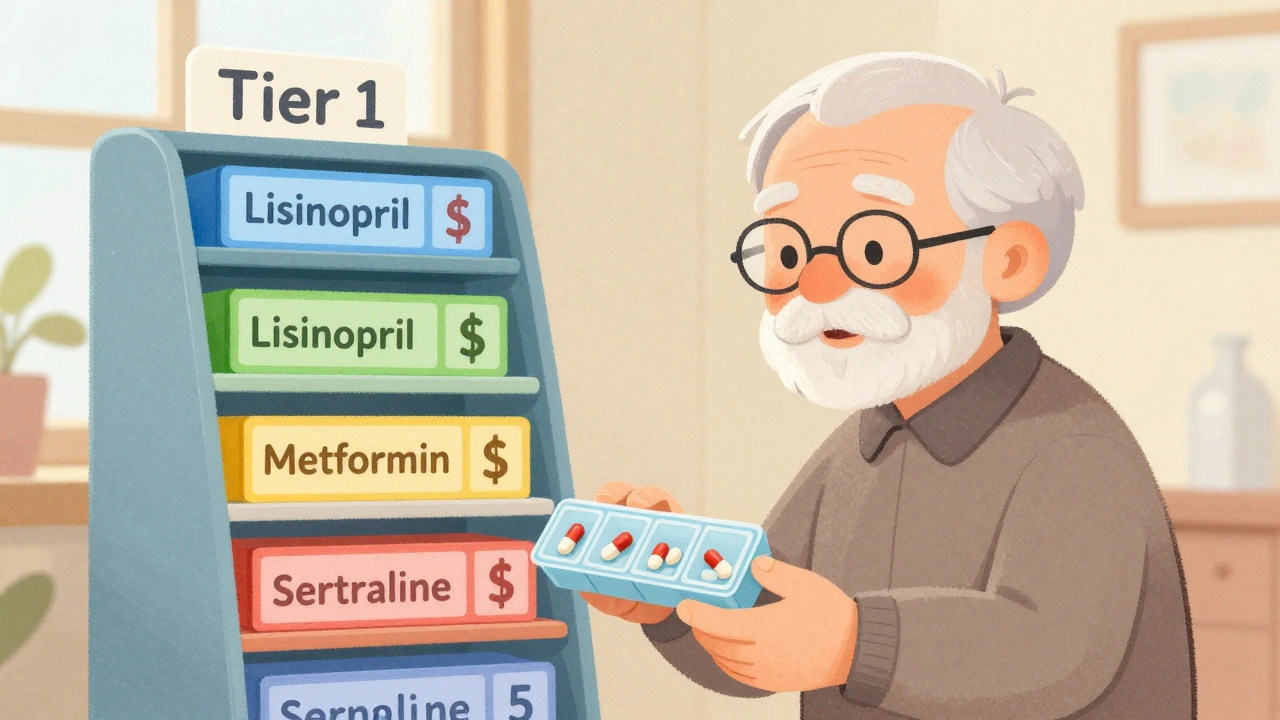
Medicare Part D generic drug coverage in 2025 offers lower costs, $0 out-of-pocket after $2,000 cap, and tiered formularies. Learn how to save on prescriptions and avoid coverage gaps.
Read more