

Metallic taste from medications is common and often overlooked. Learn proven strategies to manage dysgeusia, including zinc supplementation, dietary changes, and when to talk to your doctor.
Read more
Complex generic drugs like liposomal injections and inhalers face major scientific and regulatory hurdles before FDA approval. Unlike simple generics, they require advanced testing, costly development, and unclear guidelines - delaying affordable access for patients.
Read more
Learn how to talk to your doctor about safely reducing unnecessary medications. Discover proven strategies, real-life phrases, and preparation tips to start a deprescribing conversation that puts your health and quality of life first.
Read more
Learn how to store high-risk medications like opioids and benzodiazepines securely to prevent accidental overdoses in children, teens, and others. Simple steps can save lives.
Read more
Rhabdomyolysis from medication interactions is a life-threatening muscle breakdown condition often triggered by common drug combos like statins and antibiotics. Learn the hidden risks, who's most vulnerable, and how to prevent it.
Read more
Medication Guides are FDA-mandated safety documents that explain serious risks of prescription drugs in plain language. They're required for high-risk medications and can prevent life-threatening mistakes - if you read them.
Read more
The 80-125% rule for generic drugs isn't about ingredient amounts-it's about how your body absorbs the drug. Learn what it really means, why it's scientifically sound, and how it ensures generics work just like brand names.
Read more
Carbamazepine is a powerful CYP3A4 enzyme inducer that can reduce the effectiveness of birth control, blood thinners, antidepressants, and more. Learn how it interacts with other drugs, why autoinduction matters, and what to do to stay safe.
Read more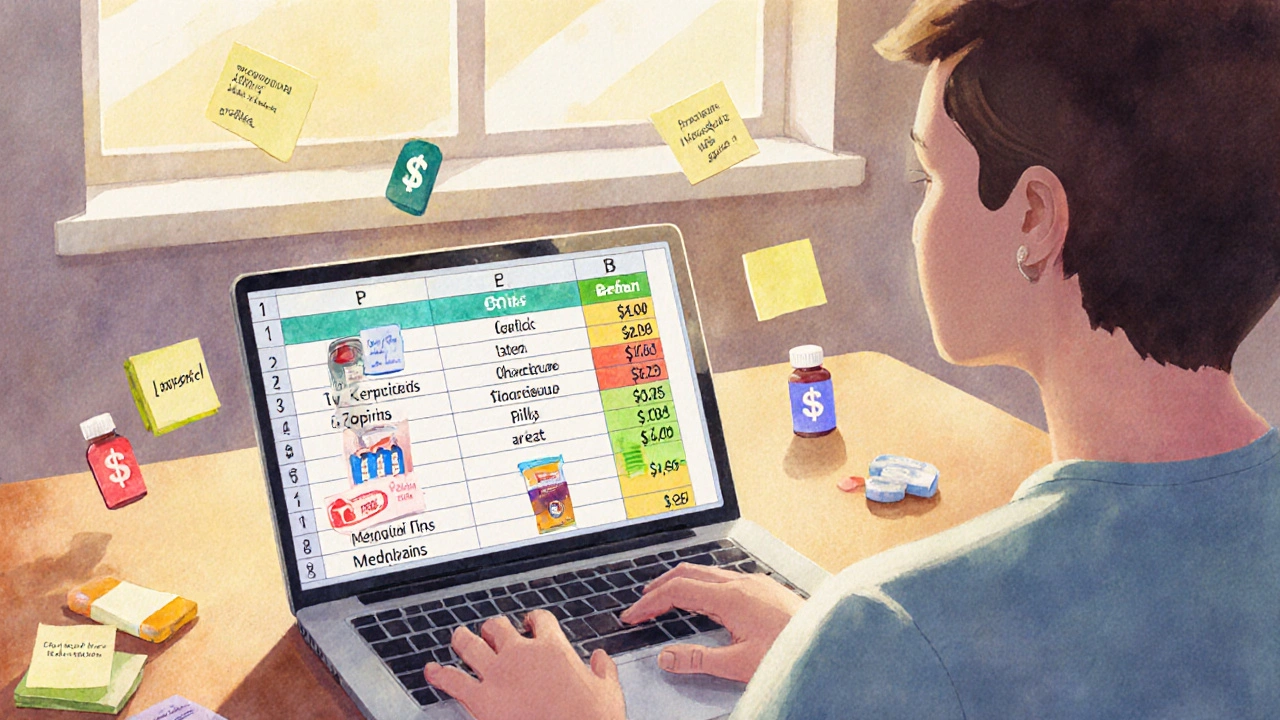
Learn how to set up a simple medication budgeting and auto-refill system that saves money, prevents missed doses, and reduces stress. Practical steps for managing prescription costs with free tools and smart shopping.
Read more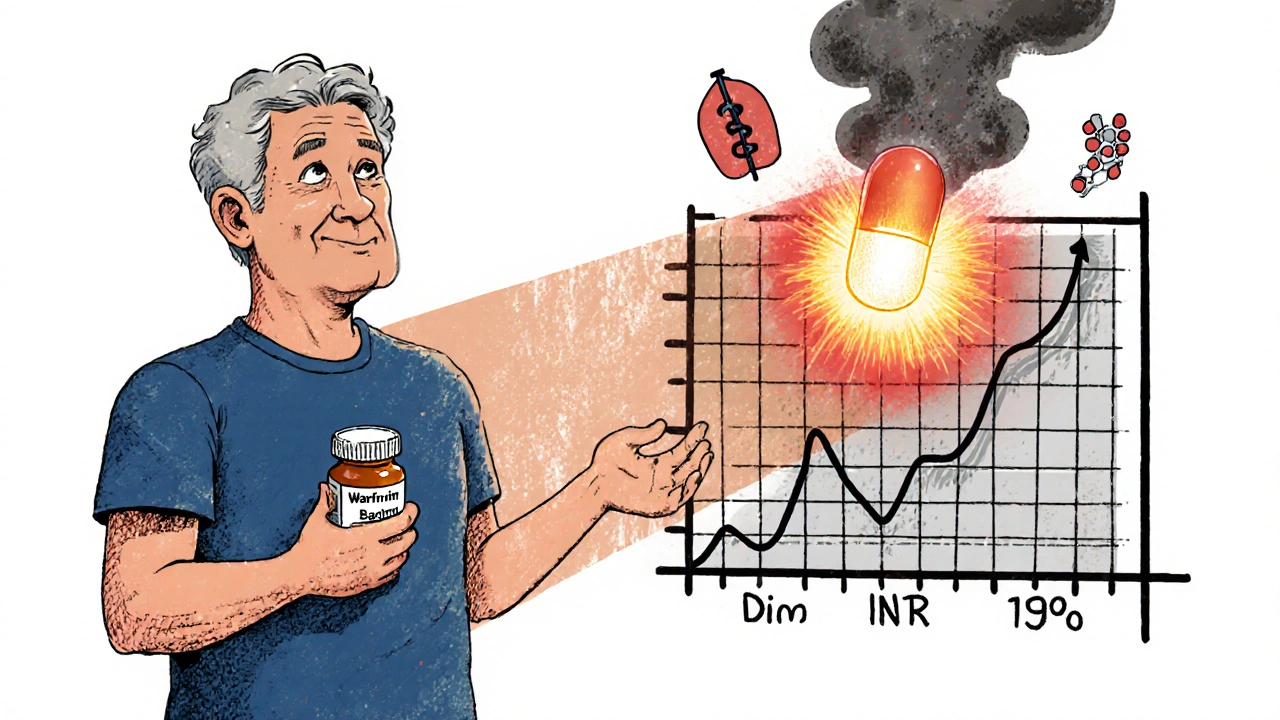
Warfarin and antibiotics can interact dangerously, raising your risk of bleeding. Learn which antibiotics are high-risk, how to monitor your INR, and what to do when you need antibiotics while on warfarin.
Read more