
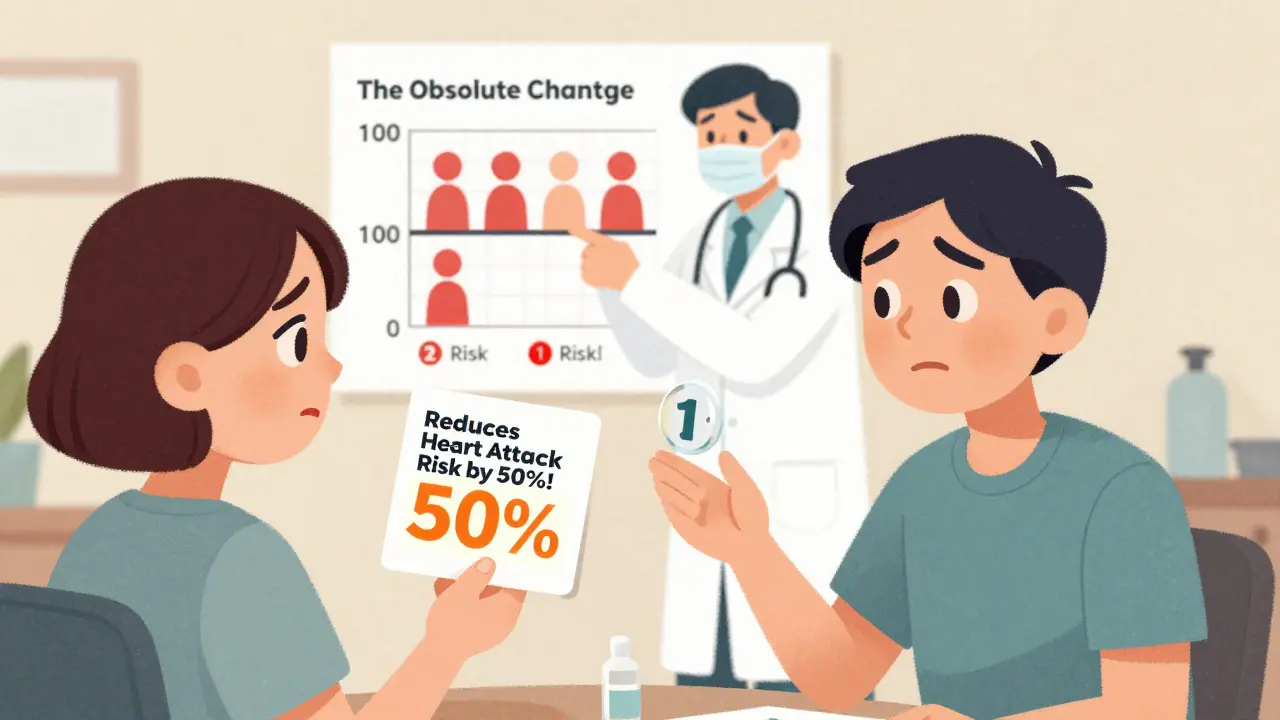
Learn how to tell the difference between absolute and relative risk in drug side effects-so you don’t get misled by flashy statistics. Real numbers matter more than percentages.
Read more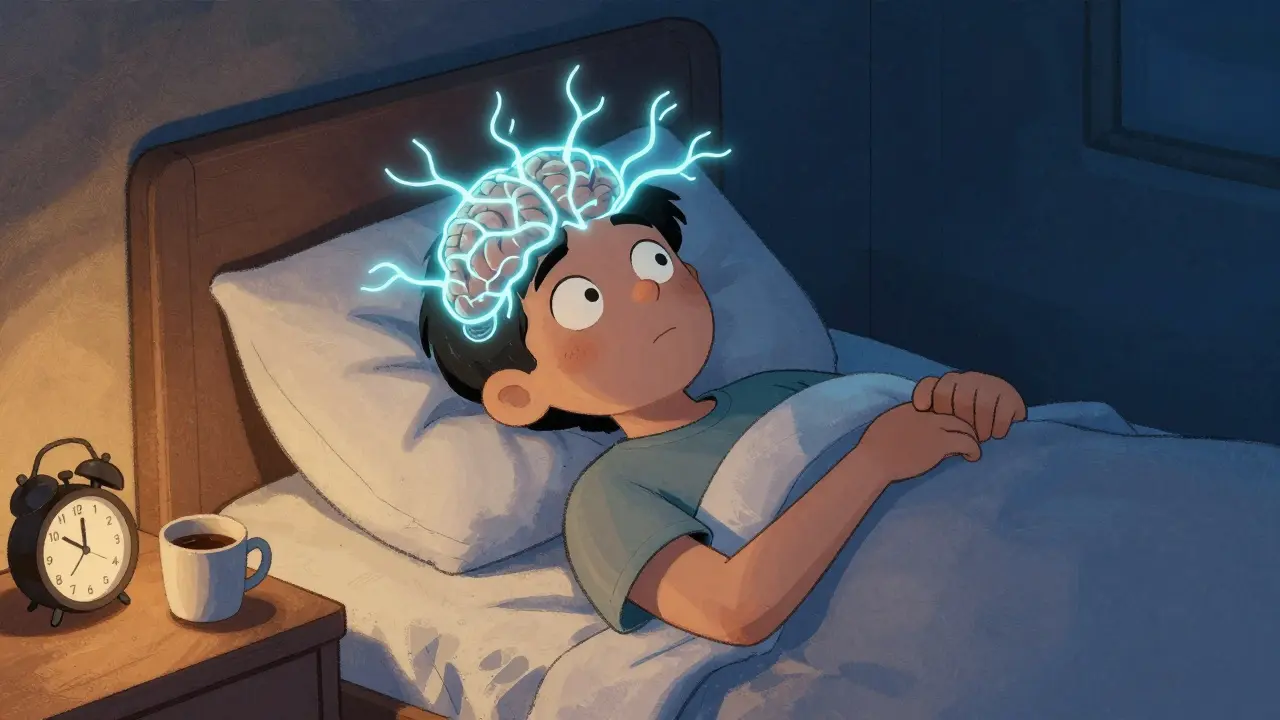
Bupropion helps with depression and smoking cessation but carries real risks: insomnia in 19% of users, anxiety in up to 25%, and a higher seizure risk than any other antidepressant. Learn how to manage these side effects safely.
Read more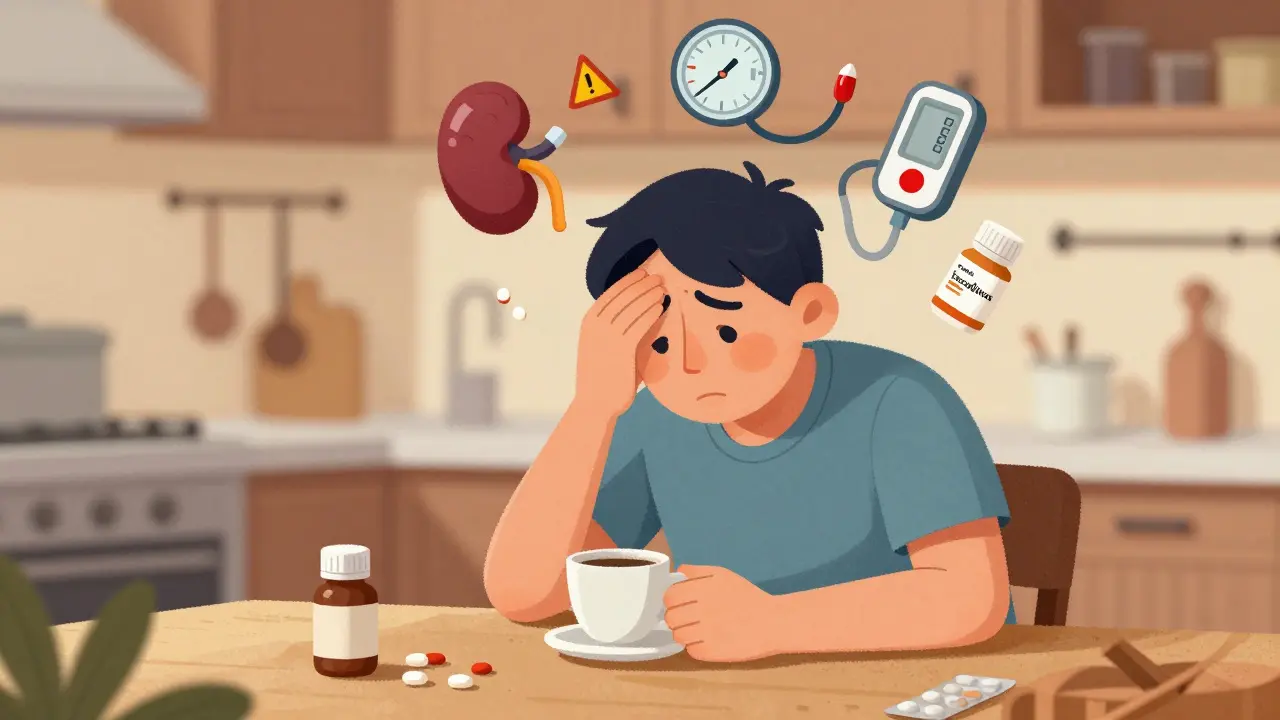
Cyclosporine and tacrolimus are vital for transplant patients but carry serious side effects like kidney damage, tremors, and diabetes. Learn how these drugs compare, what to watch for, and how modern protocols are reducing their toll.
Read more
Learn practical steps to manage gestational diabetes through diet, exercise, and monitoring. Understand blood sugar targets, meal planning, and postpartum care to ensure a healthy pregnancy and reduce future diabetes risk.
Read more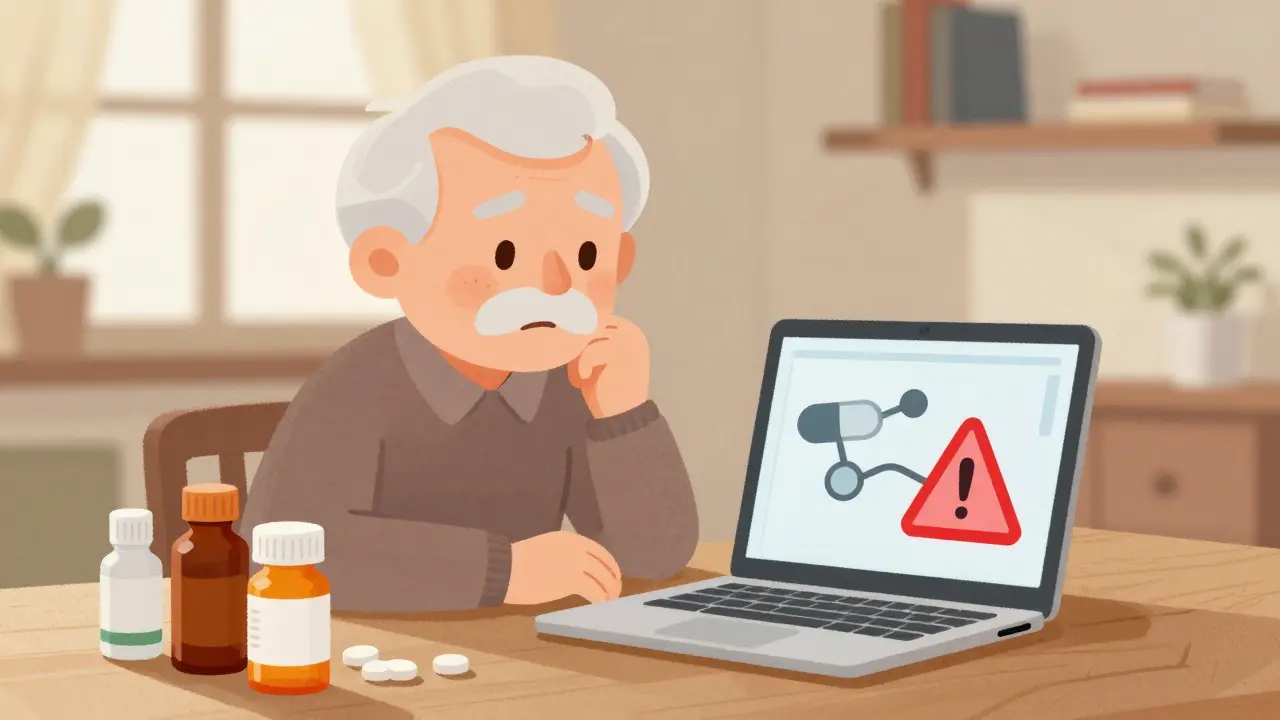
Digital consultation tools prevent dangerous drug interactions in online pharmacies. They check medication combinations, flag risks like bleeding or overdose. Tools like Epocrates and Micromedex help pharmacists safely dispense meds. Despite limitations like false alerts, they're vital for patient safety. AI improvements are making them even smarter.
Read more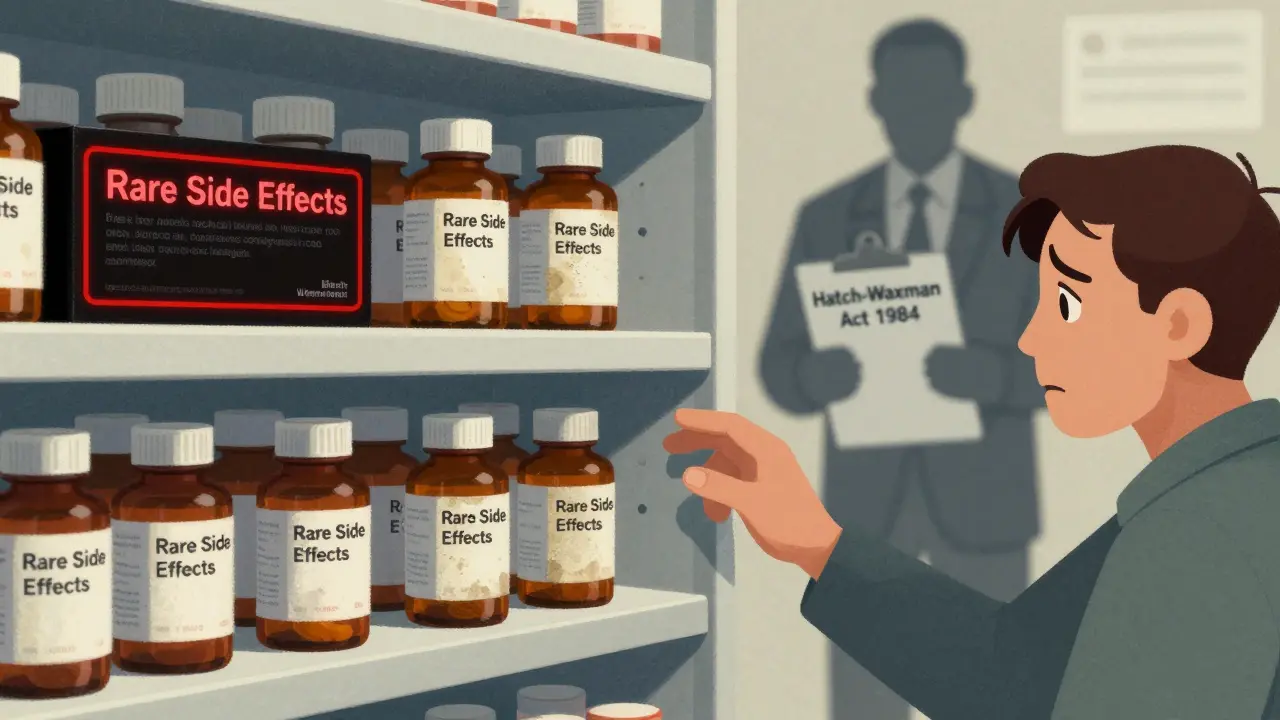
FDA safety alerts for generic drugs often lag behind brand-name versions due to outdated regulations. Learn why this gap exists, how it affects patients, and what you can do to stay protected.
Read more
Osteoporosis causes silent bone loss leading to fractures. Learn how diet, exercise, and lifestyle changes can prevent bone density loss and reduce fracture risk after 50.
Read more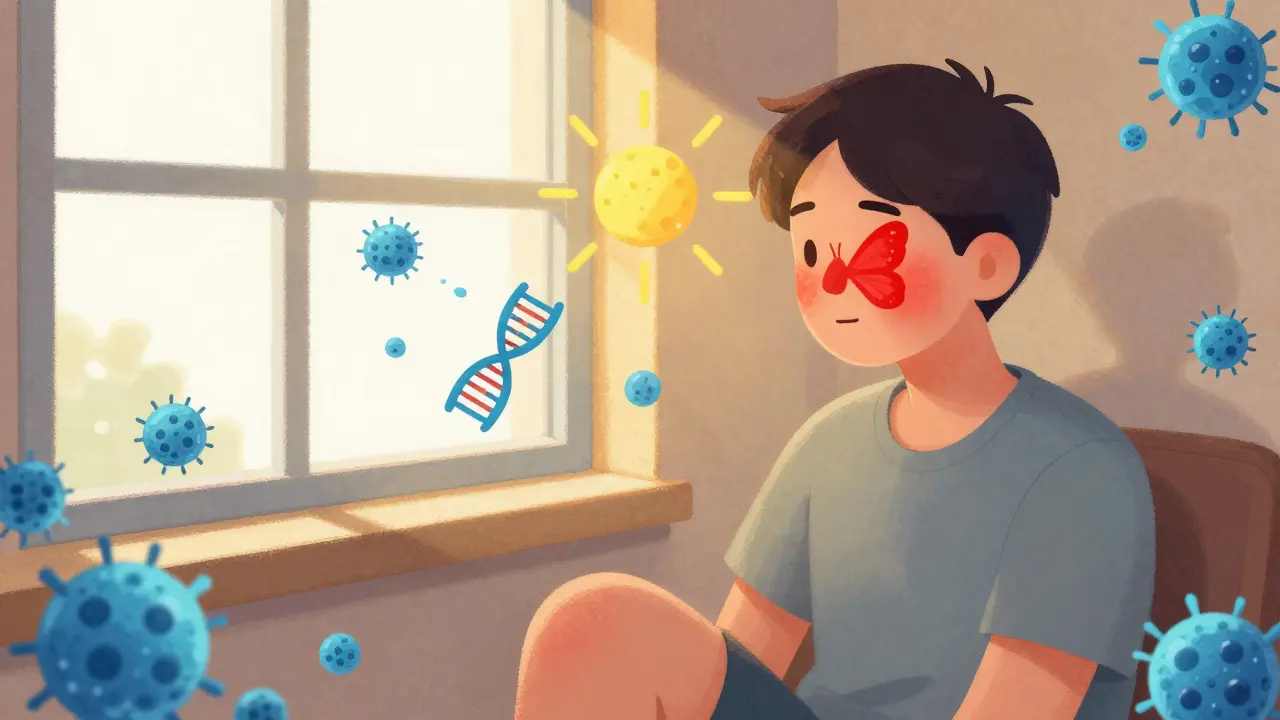
Cutaneous lupus causes skin rashes triggered by UV light. Learn how sunlight and indoor lighting spark flares, what treatments actually work, and how to protect your skin with sunscreen, clothing, and smart lighting changes.
Read more
Upcoming patent expirations for top biologics like Keytruda and Eylea are paving the way for biosimilars to enter the market, promising major cost savings. Learn how these complex drugs work, who's developing them, and what it means for patients and providers.
Read more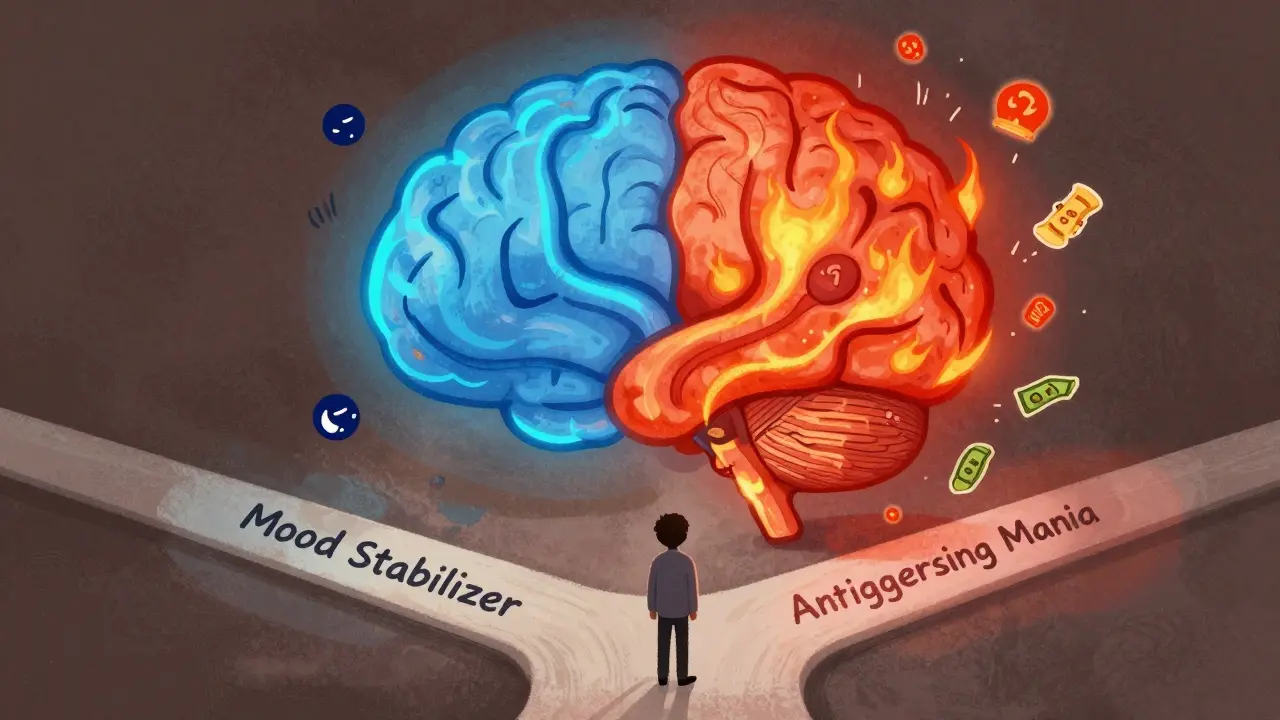
Antidepressants can trigger mania or rapid cycling in people with bipolar disorder. Learn the real risks, safer alternatives, and when - if ever - they might be used.
Read more