
Upcoming patent expirations for top biologics like Keytruda and Eylea are paving the way for biosimilars to enter the market, promising major cost savings. Learn how these complex drugs work, who's developing them, and what it means for patients and providers.
Read more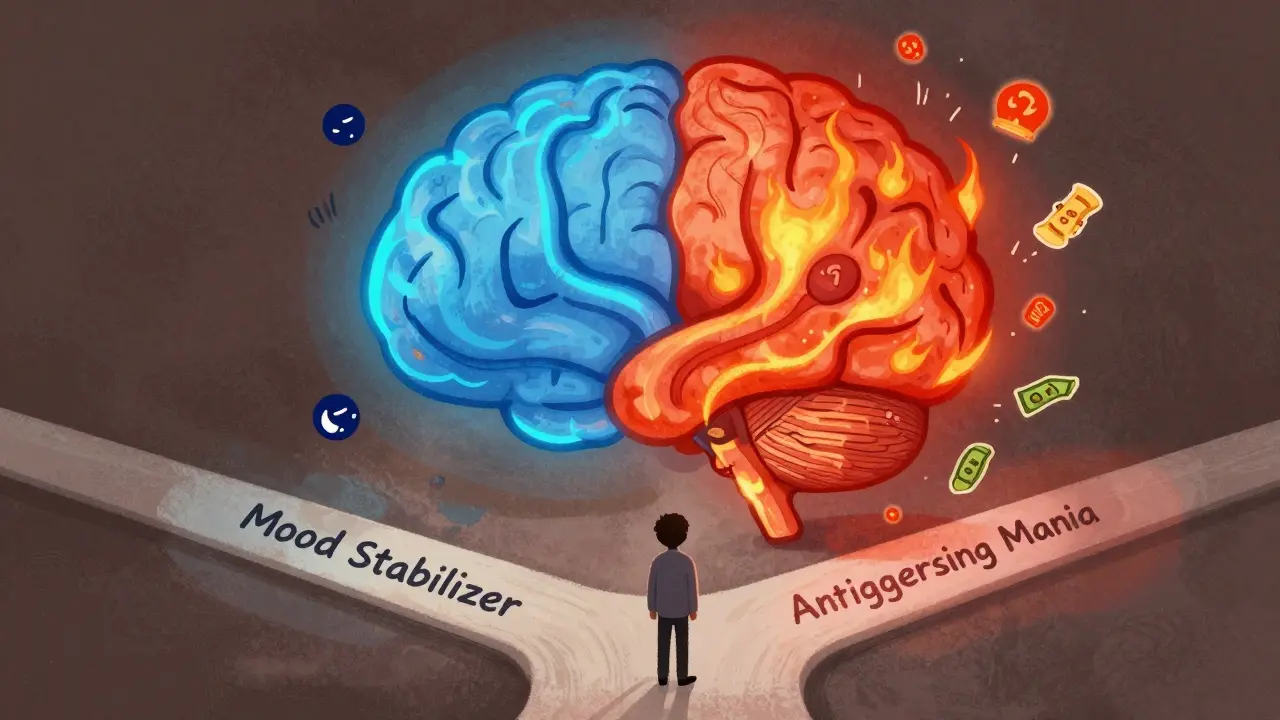
Antidepressants can trigger mania or rapid cycling in people with bipolar disorder. Learn the real risks, safer alternatives, and when - if ever - they might be used.
Read more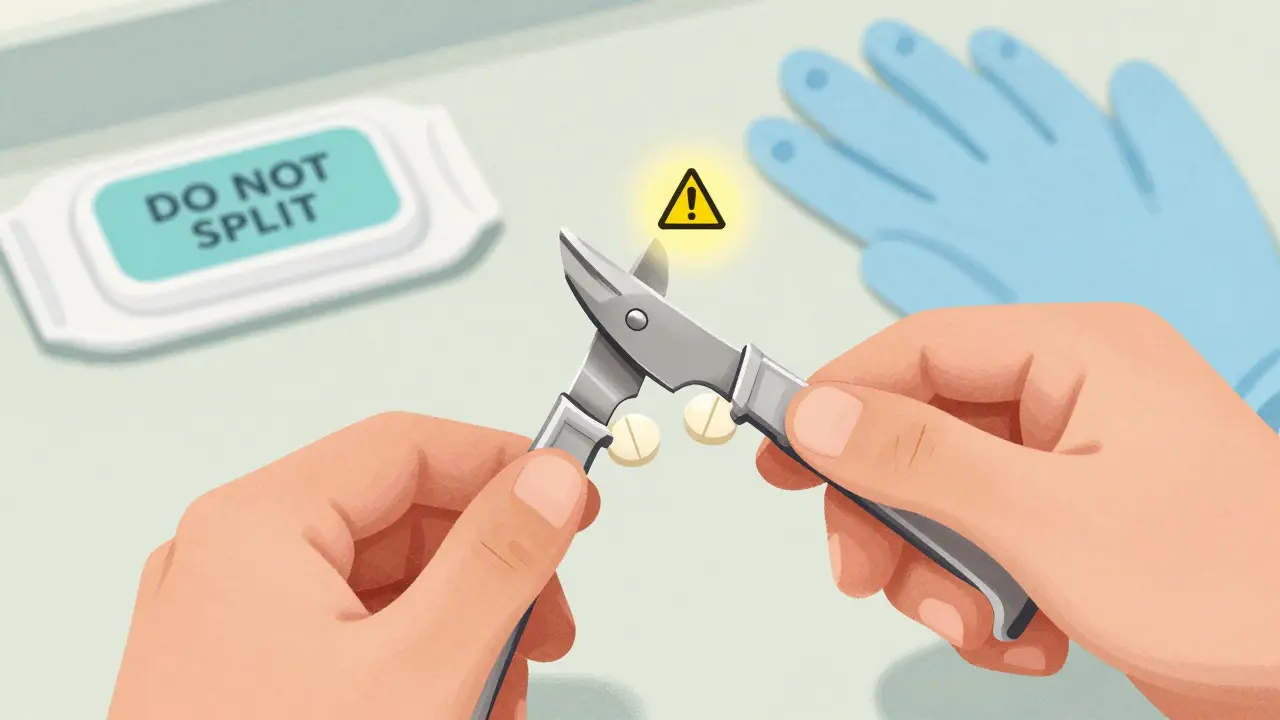
Learn how to safely split or crush pills without risking contamination, uneven doses, or dangerous side effects. Essential tips for caregivers, patients, and healthcare workers.
Read more
Generics are just as effective as brand-name drugs for most people, but some report more side effects after switching. Here’s what really causes those reactions-and when you should be concerned.
Read more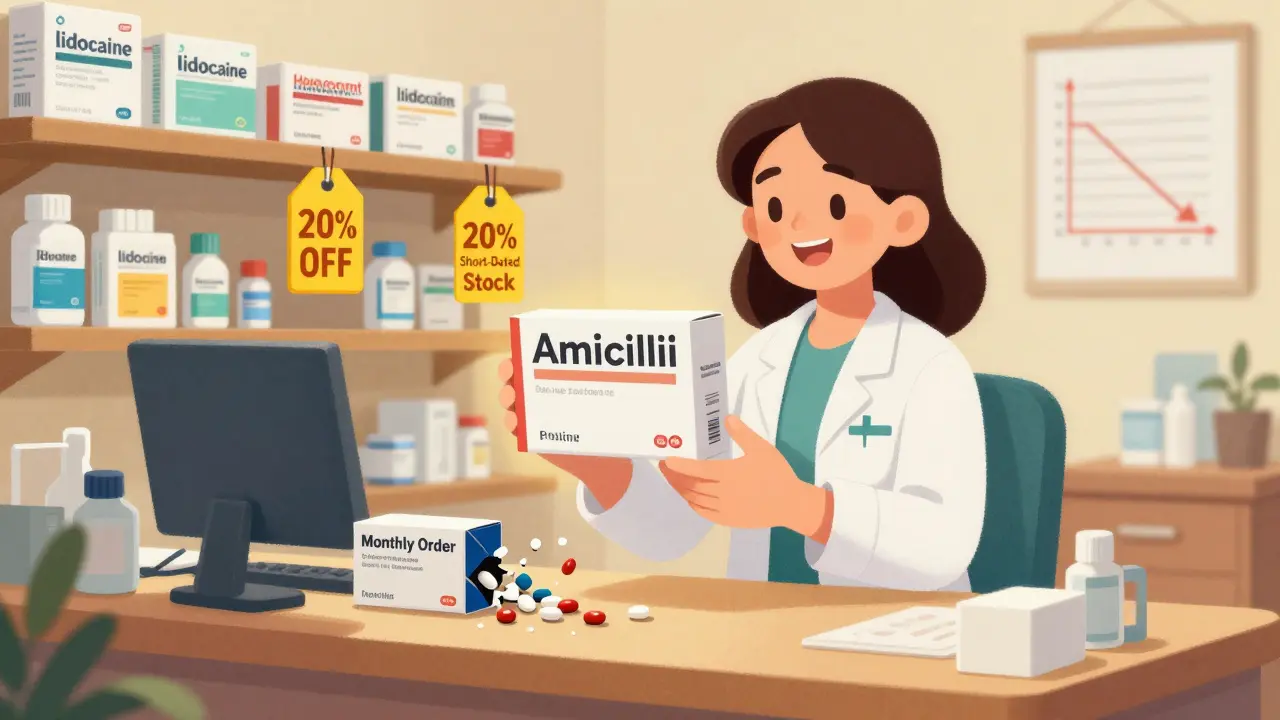
Bulk purchasing generic medications can cut drug costs by 20% or more for clinics and pharmacies. Learn how volume discounts, short-dated stock, and secondary distributors are changing how providers save on essential medicines.
Read more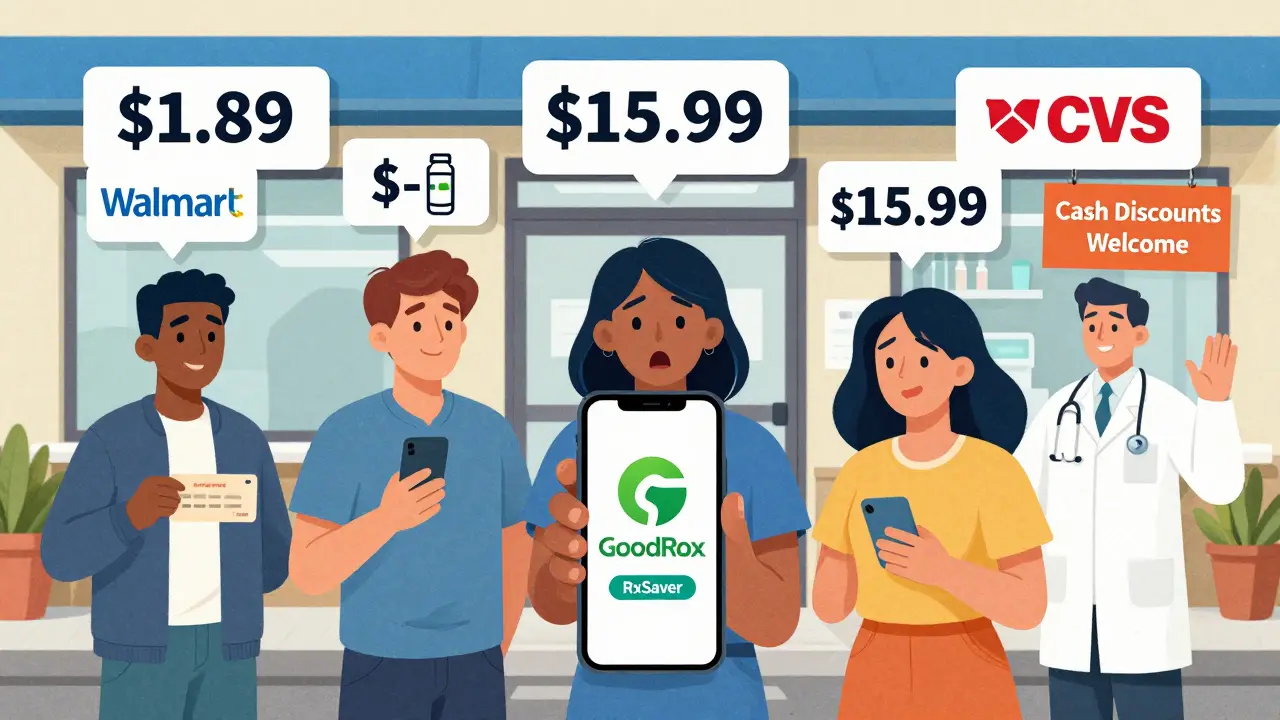
Learn how to find the lowest cash prices for medications using free tools like GoodRx, compare pharmacy costs, and save hundreds on prescriptions without insurance. Real savings, real strategies.
Read more
Learn how naloxone reverses opioid overdoses, recognize the signs of overdose, store naloxone safely, and understand why one dose isn't always enough. Essential info for anyone who uses opioids or knows someone who does.
Read more
Generics save money but aren't always interchangeable. Pharmacists must watch for therapeutic failures, especially with narrow therapeutic index drugs like levothyroxine and warfarin. Learn when to flag unsafe generics and how to protect patients.
Read more
Antipsychotics can prolong the QT interval, raising the risk of dangerous heart rhythms. Learn which drugs carry the highest risk, how to monitor for danger, and how to balance mental health treatment with heart safety.
Read more
In 2025, new antidepressants like Exxua, Zuranolone, and Auvelity offer faster relief and fewer side effects than older SSRIs. Discover how they work, who they help most, and what to watch out for.
Read more