
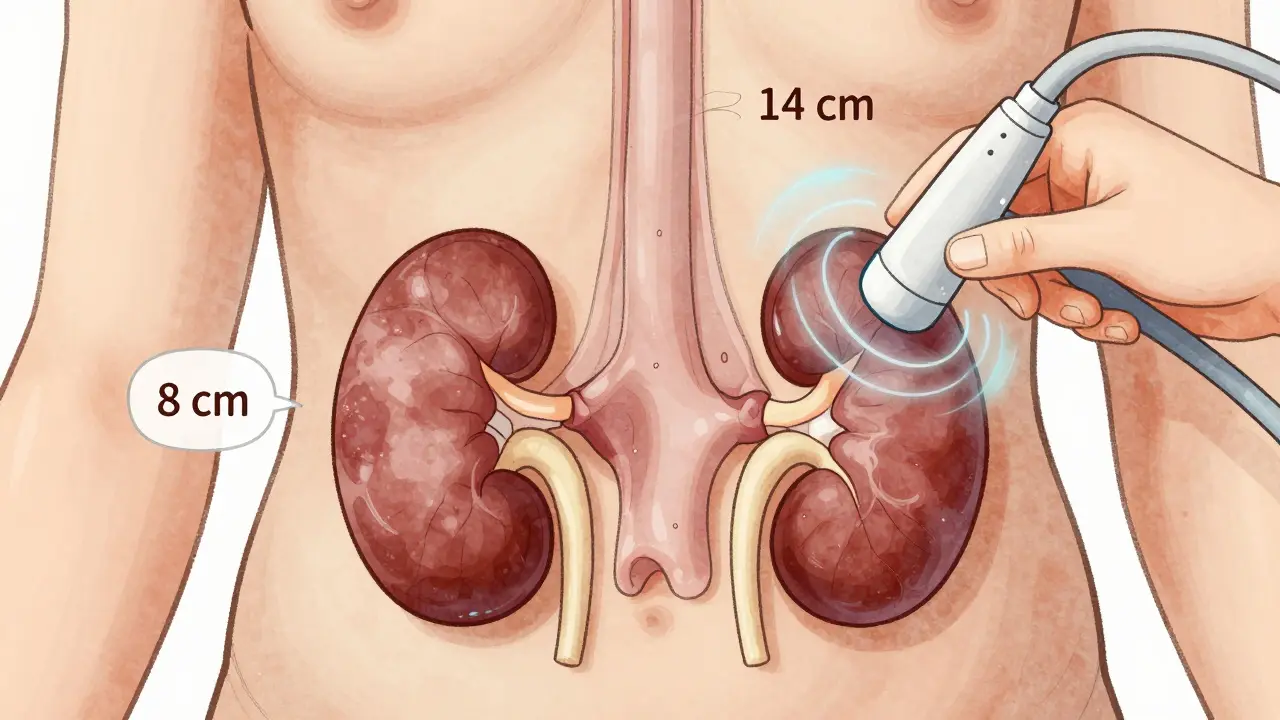
Renal ultrasound is the safest, fastest way to check for kidney obstruction and measure kidney size. It detects hydronephrosis, measures resistive index, and avoids radiation-making it the first-line test for suspected blockages.
Read more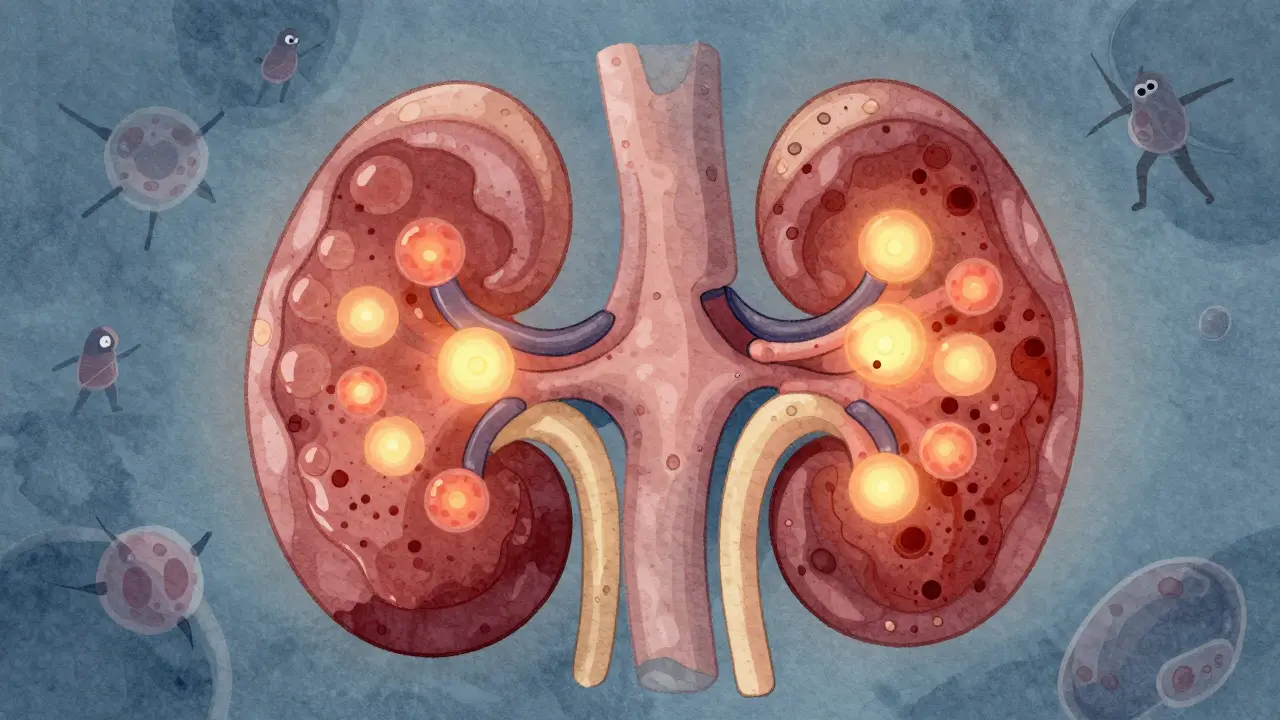
IgA Nephropathy is the most common cause of kidney inflammation worldwide. In 2026, new guidelines recommend simultaneous, targeted therapies to prevent kidney failure-shifting from passive monitoring to aggressive, personalized intervention.
Read more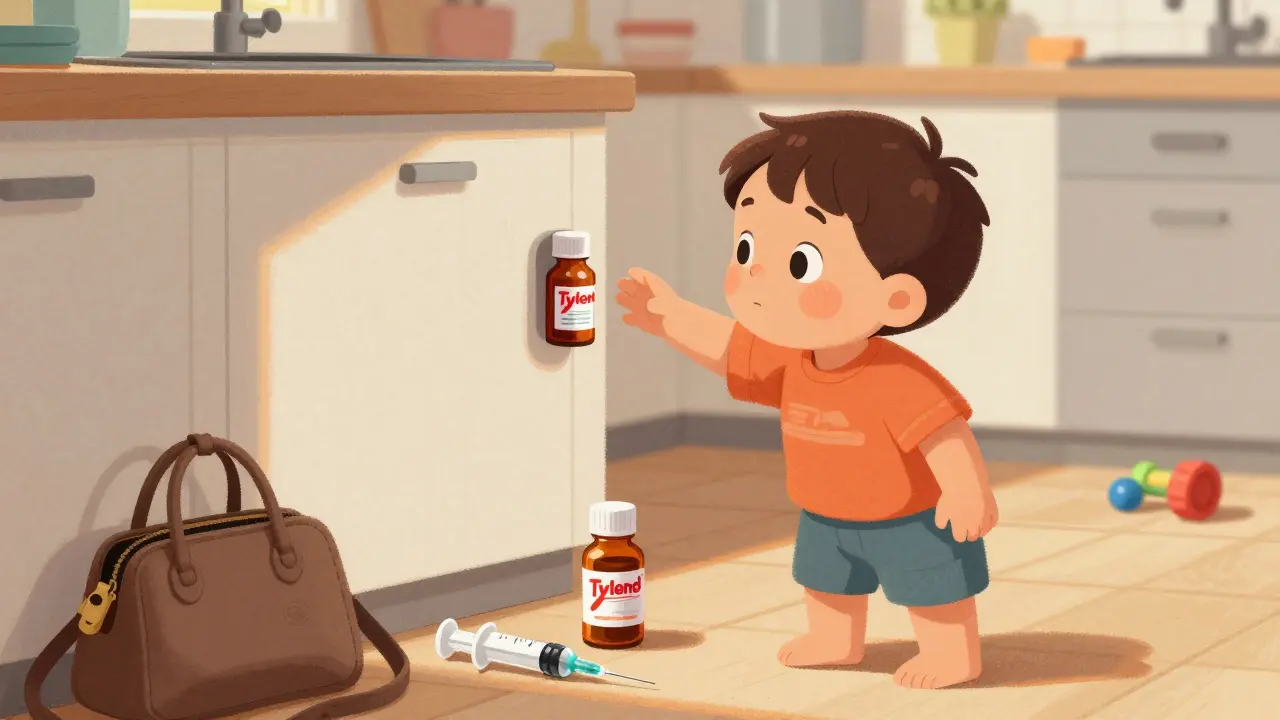
Recognizing the signs of pediatric medication overdose can save a child's life. Learn what to look for with acetaminophen, opioids, and ADHD meds - and when to call Poison Control or 911 immediately.
Read more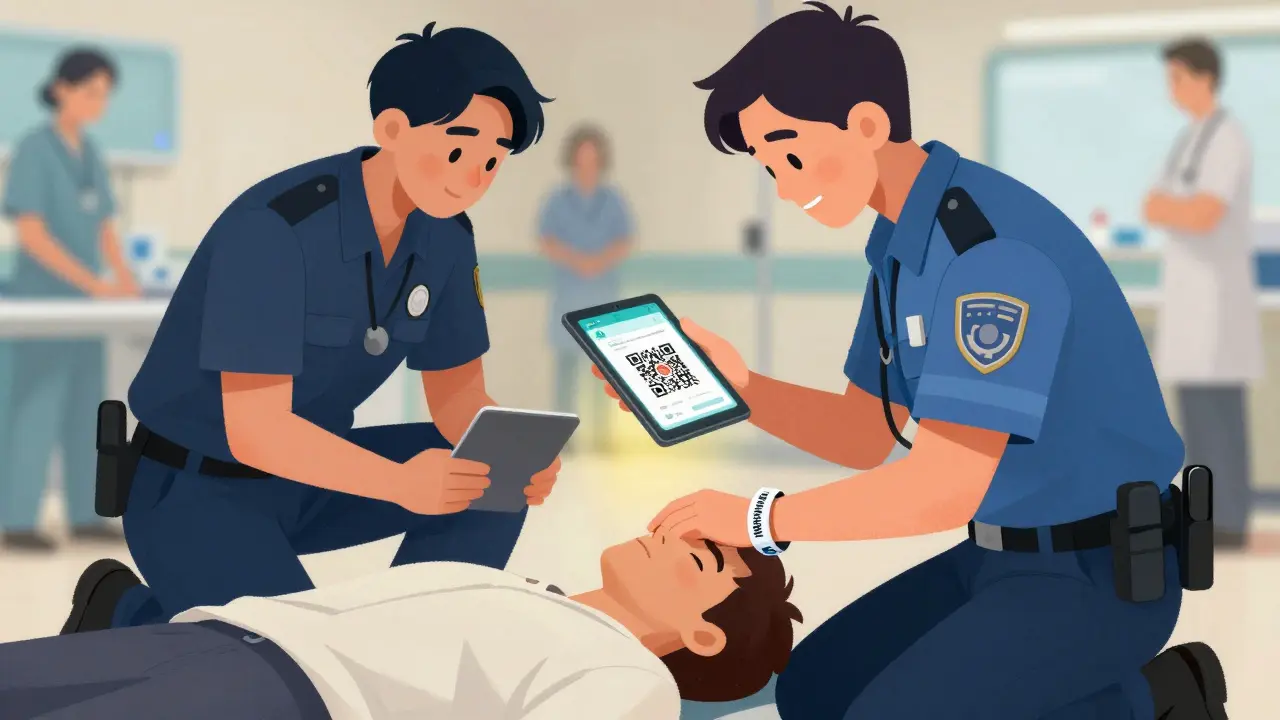
Medical alert bracelets save lives by giving first responders instant access to critical drug info during emergencies. They prevent deadly medication errors, especially for those on blood thinners, insulin, or with severe allergies.
Read more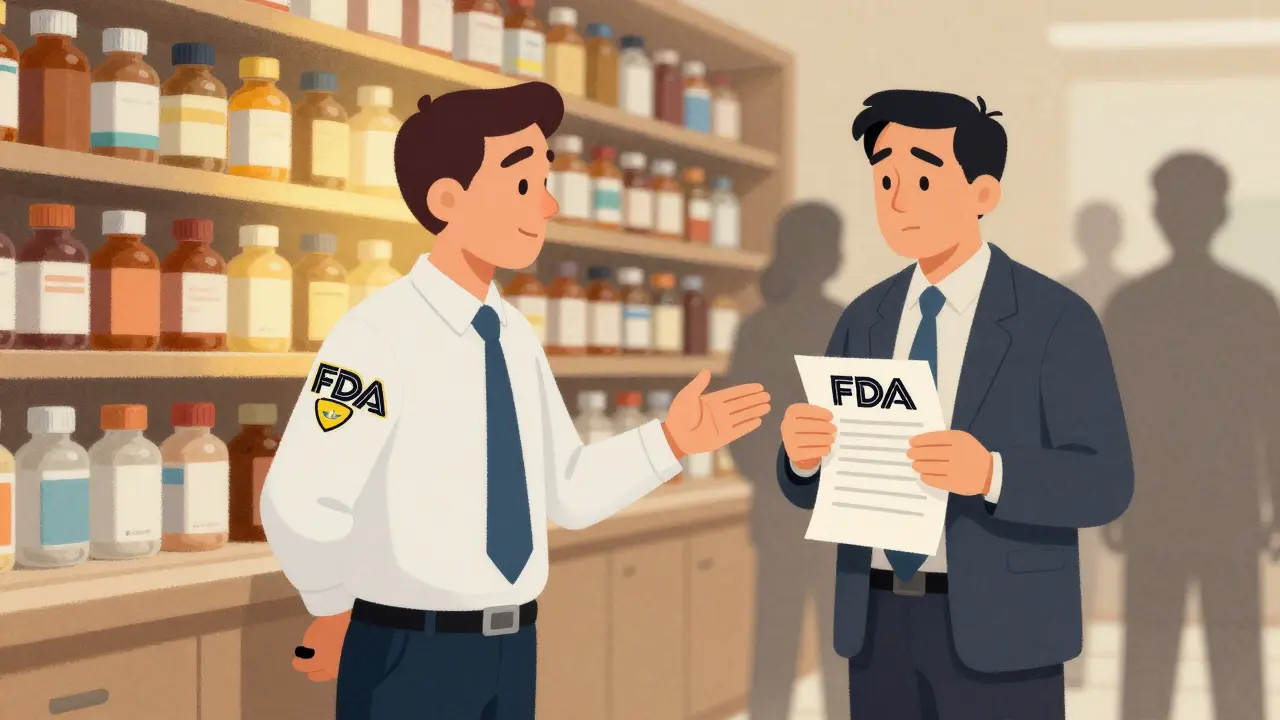
The FDA can't force drug companies to recall unsafe medications-it can only ask. Learn how the legal process actually works, why devices are treated differently, and what's being done to fix the system.
Read more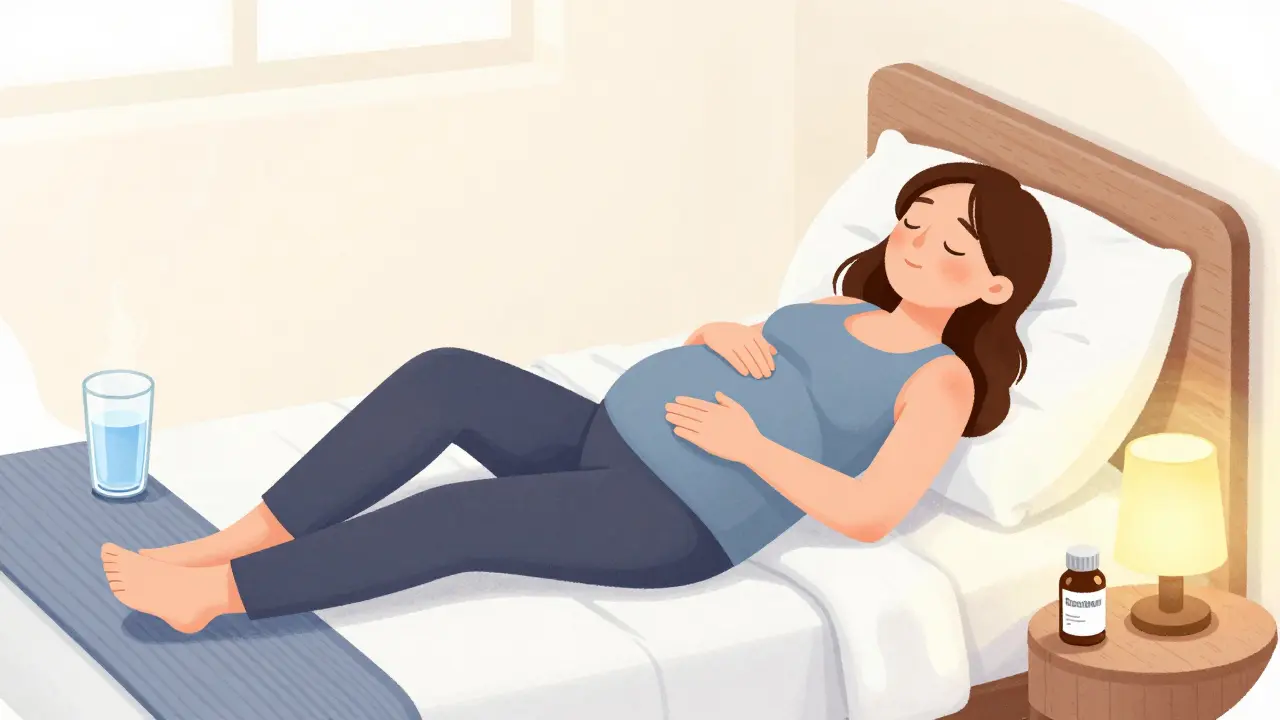
Learn the safest migraine treatments during pregnancy and breastfeeding, from acetaminophen and triptans to non-drug options like magnesium, acupuncture, and neuromodulation devices. No guesswork-just evidence-based choices.
Read more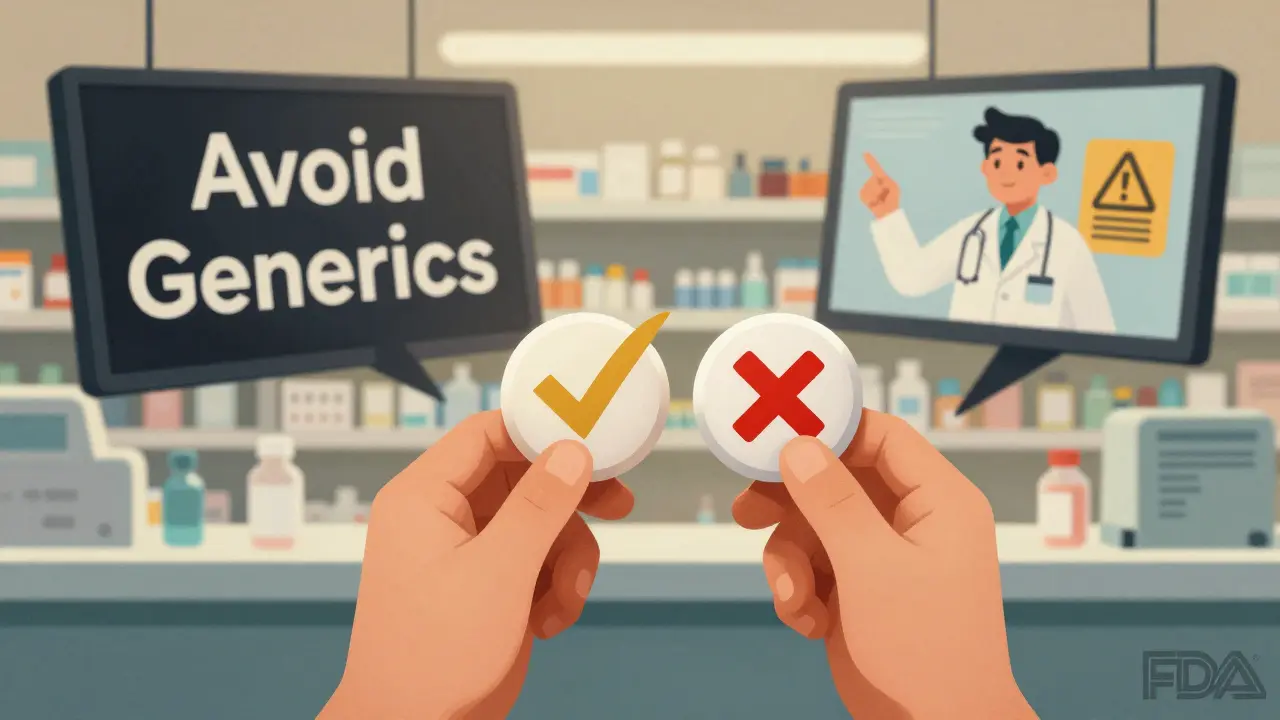
False advertising in generic drugs misleads patients into avoiding cost-effective medications. Learn the legal risks, FDA rules, and real-world impacts of deceptive claims in pharmaceutical marketing.
Read more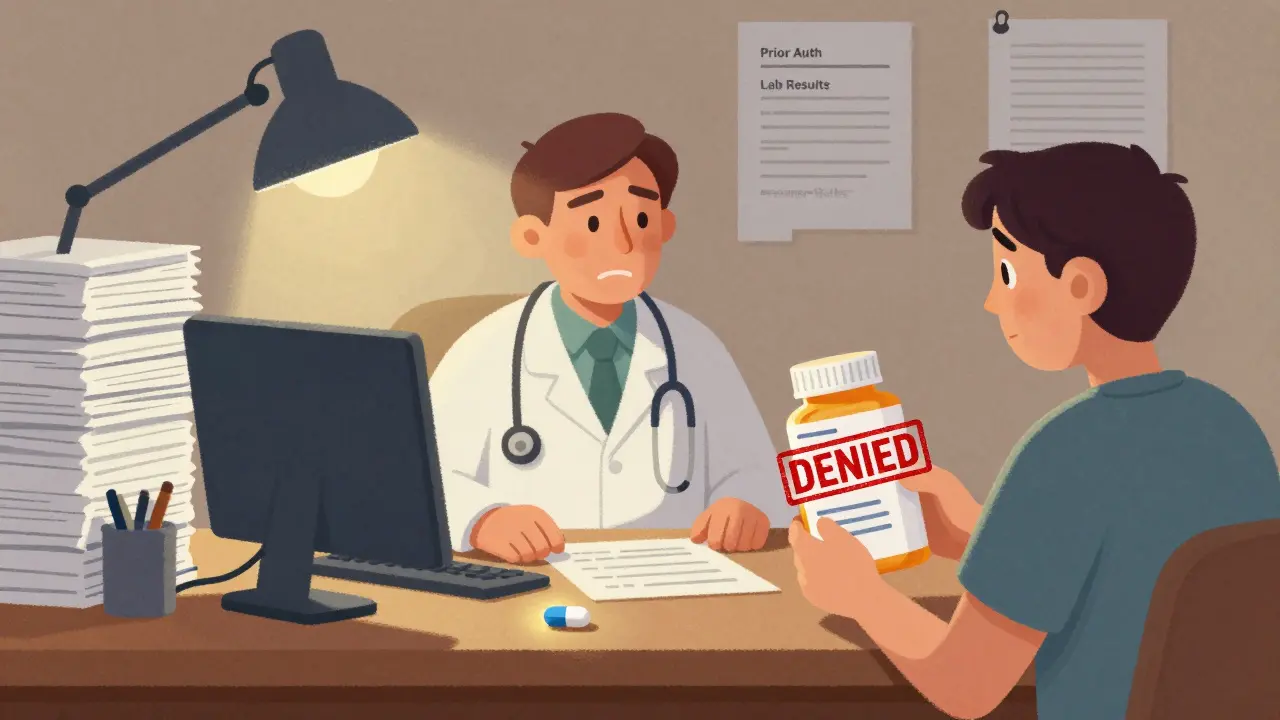
Insurers push generic drug substitutions to cut costs, but providers face mounting administrative burdens and clinical risks. Learn how doctors respond, what's changing, and why patients are caught in the middle.
Read more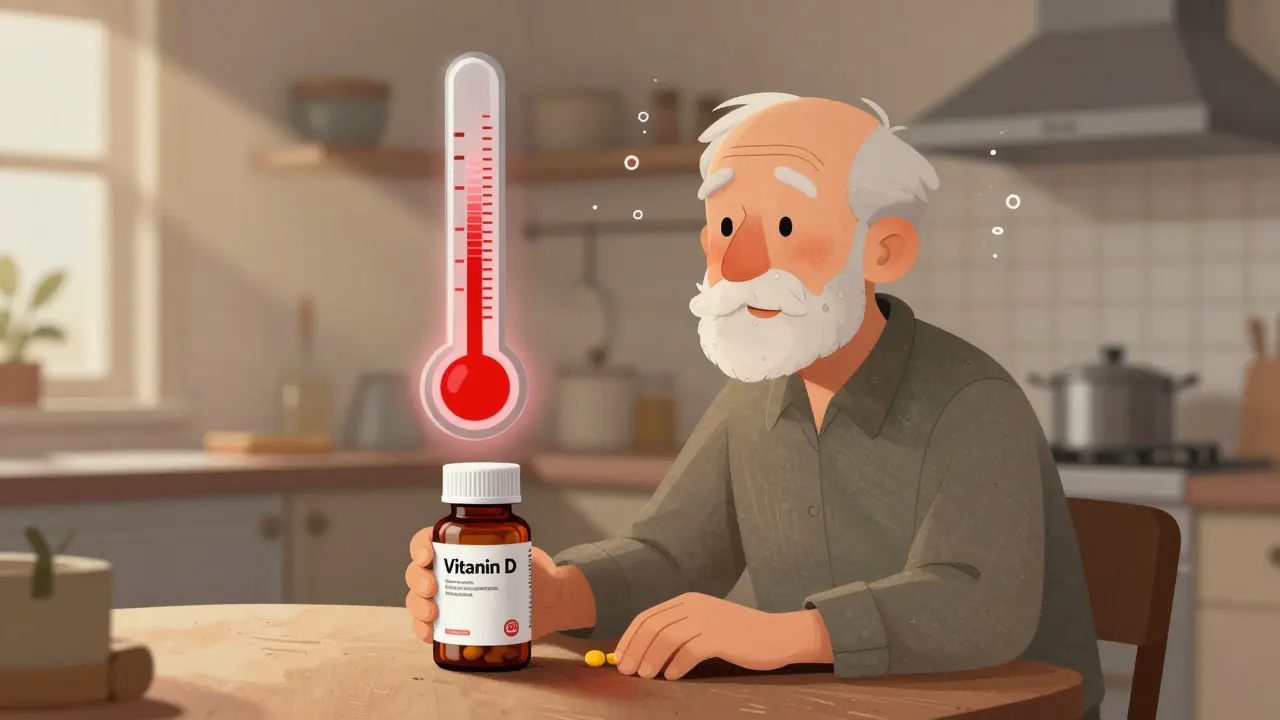
Taking vitamin D with thiazide diuretics can raise your blood calcium to dangerous levels. Learn how this interaction works, who’s at risk, and what steps to take to stay safe.
Read more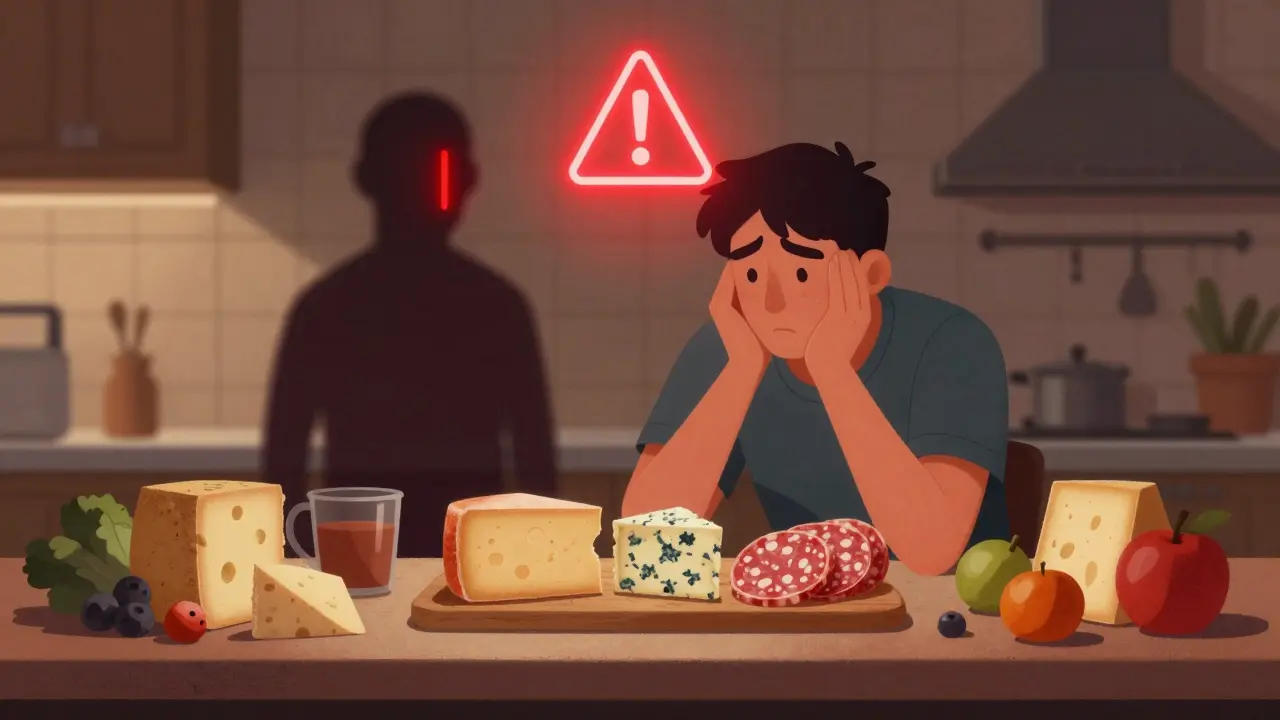
MAOIs are effective antidepressants, but they can cause dangerous spikes in blood pressure when mixed with tyramine-rich foods. Learn exactly which foods to avoid, how different MAOIs affect risk, and what to do if you accidentally eat something unsafe.
Read more