
Ever wonder how your medicine really works? Or how to pick the right treatment for a condition? Health medicine is all about understanding medications, how they help, and what to watch out for. Whether it's managing diabetes with metformin combos or easing pain with acetaminophen, getting the basics right helps you make smarter health choices.
Take metformin, for example. It's a go-to for type 2 diabetes, but combining it with other drugs can sometimes improve blood sugar results and cost less overall. Knowing the difference between treatment options helps you talk with your doctor about what fits your lifestyle and health goals.
Another useful one is acetaminophen, a pain reliever many use without really knowing how it works. It blocks certain brain chemicals to calm pain and even affects serotonin pathways, which influence mood. That’s why it’s more than just a simple painkiller—it’s a bit of a multitasker.
Medications like isosorbide mononitrate can seriously improve day-to-day life, reducing things like chest pain and letting you get back to what you love. But, side effects like headaches or dizziness might show up, so it’s important to know what to expect and how to handle those.
Sometimes, drugs bring up more complex concerns, like how nitrofurantoin might affect bone health or how apixaban is used safely even in patients with liver disease. Staying informed about these details means you’re ready to spot issues early and keep your treatment on the safest path.
Support groups are another key piece, especially for chronic conditions. Joining others going through similar health challenges can offer emotional wins and practical tips you won’t find in a pamphlet. It’s about building a network that understands what you’re facing and sharing advice that makes a difference.
What’s clear is that knowing the ins and outs of your medicines gives you control. It helps you work with healthcare pros to find what truly works and live better every day. Health medicine isn't just about pills—it’s about practical knowledge that empowers you to take charge of your wellness journey.

Discover how FDA regulatory fees impact generic drug availability and patient costs. We break down GDUFA structures, compare approval expenses to brand-name drugs, and analyze upcoming changes in GDUFA IV.
Read more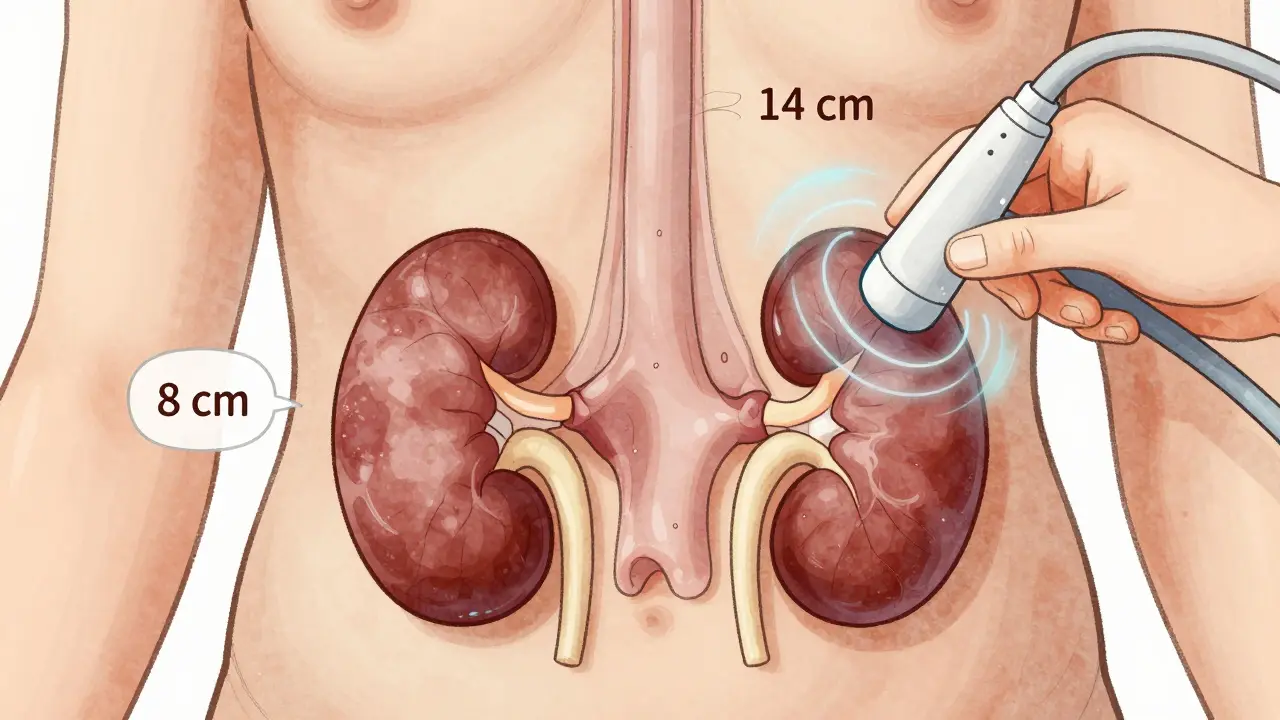
Renal ultrasound is the safest, fastest way to check for kidney obstruction and measure kidney size. It detects hydronephrosis, measures resistive index, and avoids radiation-making it the first-line test for suspected blockages.
Read more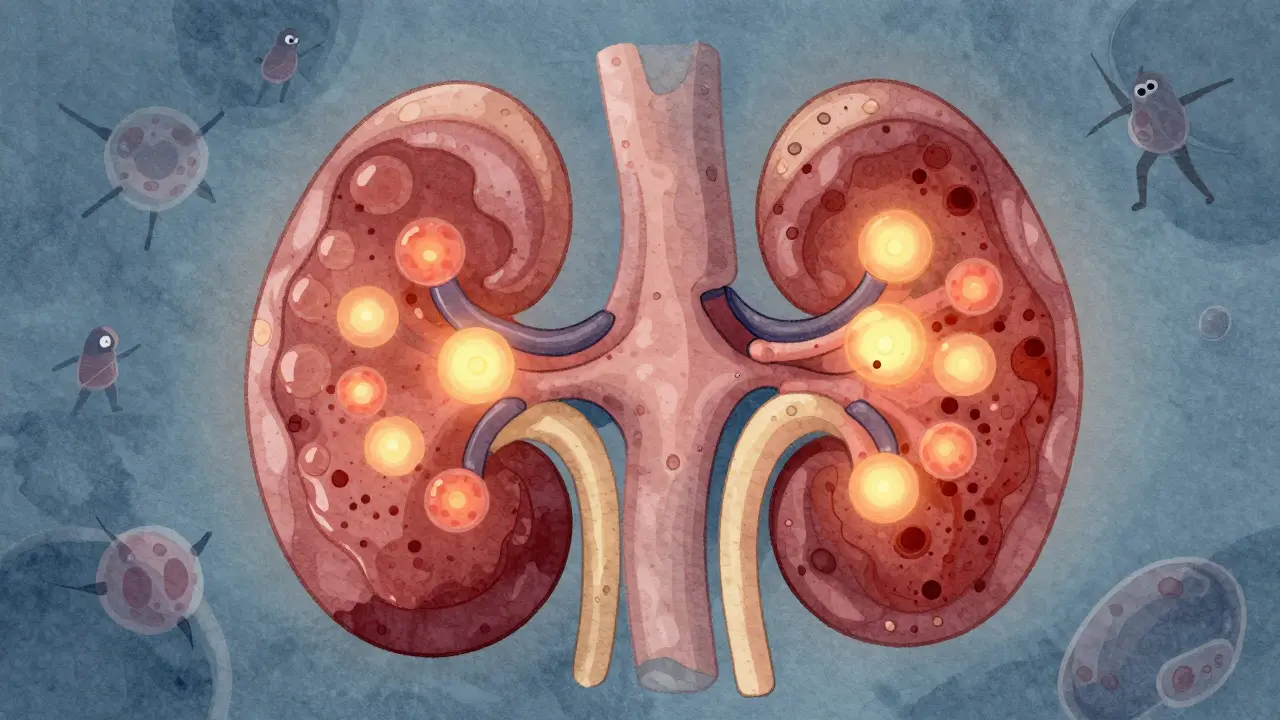
IgA Nephropathy is the most common cause of kidney inflammation worldwide. In 2026, new guidelines recommend simultaneous, targeted therapies to prevent kidney failure-shifting from passive monitoring to aggressive, personalized intervention.
Read more
Accurately sharing your OTC medication and supplement use with your provider prevents dangerous interactions. Learn what to tell them, how to document it, and why even 'harmless' vitamins matter.
Read more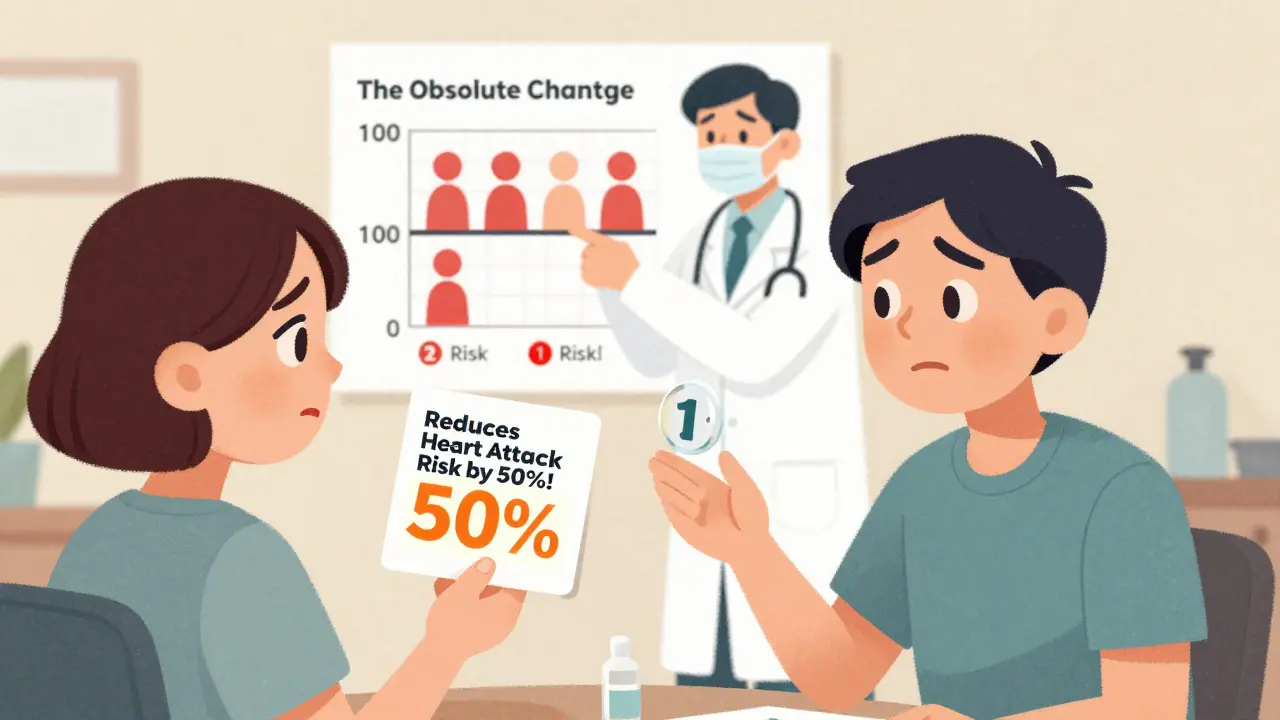
Learn how to tell the difference between absolute and relative risk in drug side effects-so you don’t get misled by flashy statistics. Real numbers matter more than percentages.
Read more
Cutaneous lupus causes skin rashes triggered by UV light. Learn how sunlight and indoor lighting spark flares, what treatments actually work, and how to protect your skin with sunscreen, clothing, and smart lighting changes.
Read more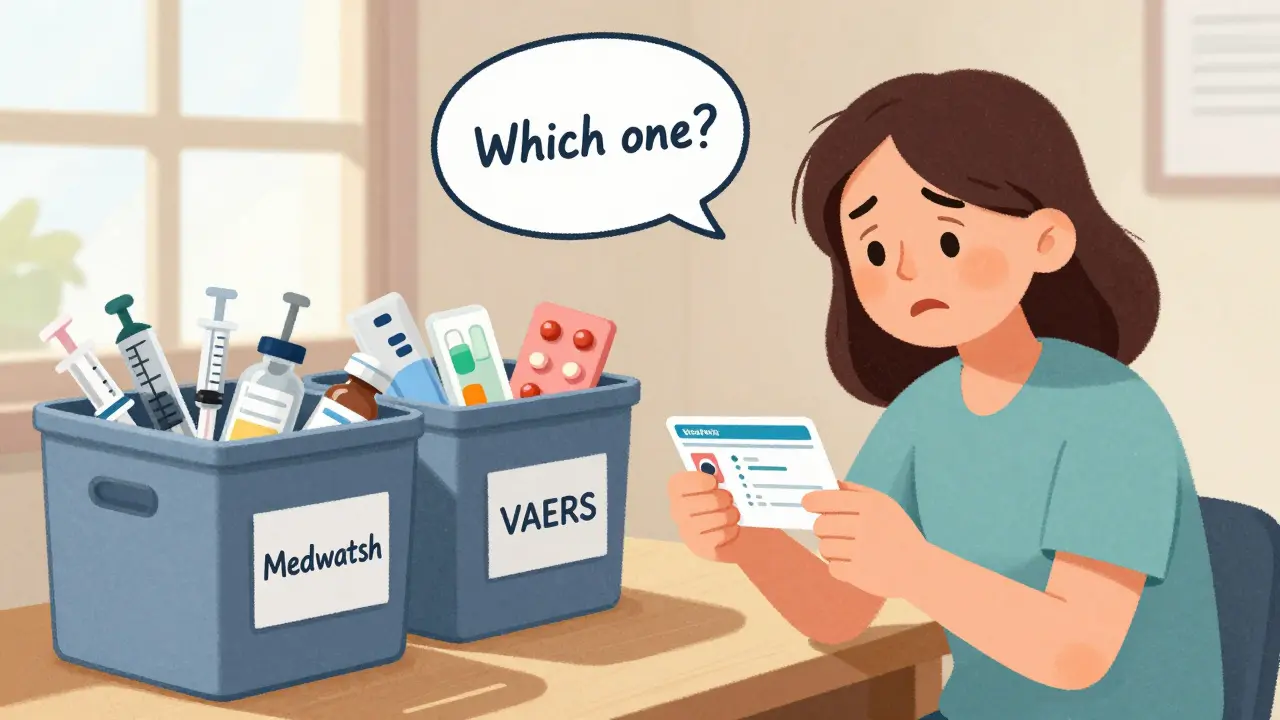
Learn the difference between MedWatch and VAERS-two FDA systems for reporting drug and vaccine side effects. Know where to report, what happens next, and why your report matters.
Read more
Fungal skin infections like Candida and ringworm are common, often misdiagnosed, and treatable. Learn the signs, causes, and effective antifungal treatments backed by 2023 guidelines.
Read more
Severe adverse drug reactions can be life-threatening. Learn the warning signs of anaphylaxis, Stevens-Johnson Syndrome, and other emergencies-and what to do immediately to save a life.
Read more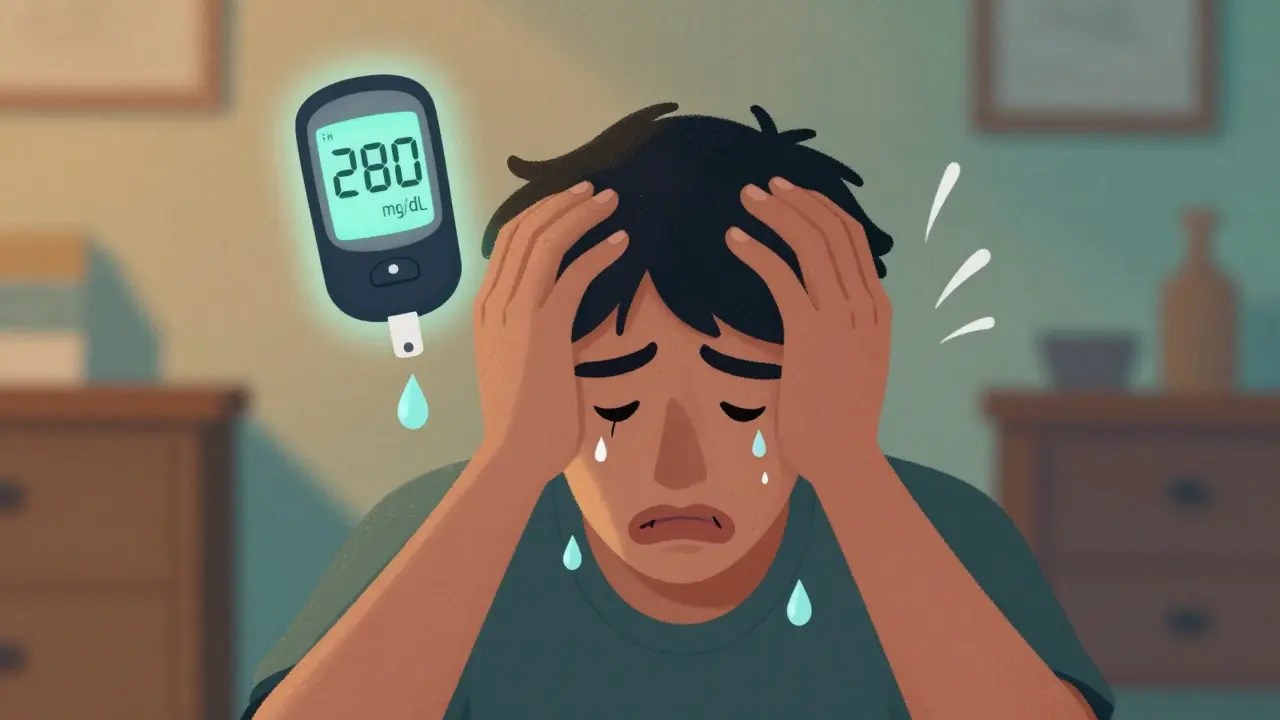
Learn the warning signs of high blood sugar, how to recognize diabetic emergencies like DKA and HHS, and what steps to take immediately to prevent life-threatening complications.
Read more